Compliance used to be simple.
One framework. One audit. One checklist.
Not anymore.
Today, companies are expected to manage:
- SOC 2 for customer trust
- ISO 27001 for global security standards
- AI governance for emerging regulatory expectations
Managing these separately creates chaos. Duplicate work, inconsistent controls, and rising costs.
The smarter approach is managing everything through a single platform.
Let’s break down how to do that in a practical way.
The Problem with Managing Multiple Frameworks Separately
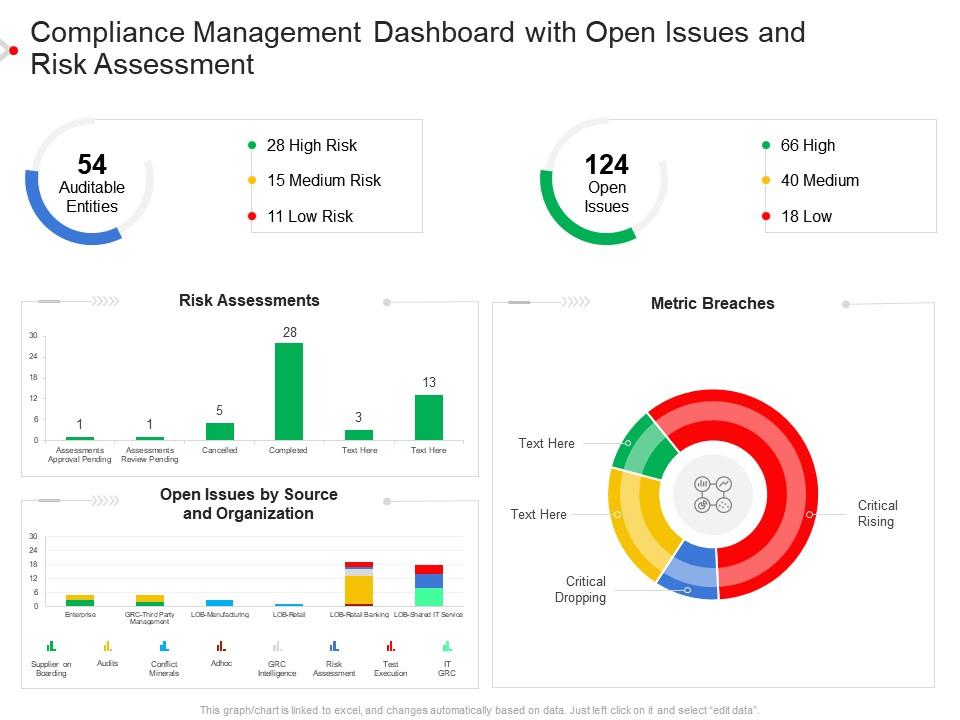
When frameworks are handled independently, you end up with:
- Repeated evidence collection
- Different policies for similar controls
- Conflicting processes
- More manual work
Example:
- Access control is required in SOC 2
- Also required in ISO 27001
- And now relevant for AI governance
But instead of one system, many companies manage it three times.
👉 That’s inefficient and risky.
What a Unified Compliance Platform Looks Like
A modern compliance platform like Drata brings everything into one place.
Instead of siloed systems, you get:
- Centralized control mapping
- Shared evidence collection
- Real-time monitoring
- Unified reporting
👉 One source of truth for all compliance activities.
Key Components of Managing Multi-Framework Compliance
1. Control Mapping Across Frameworks

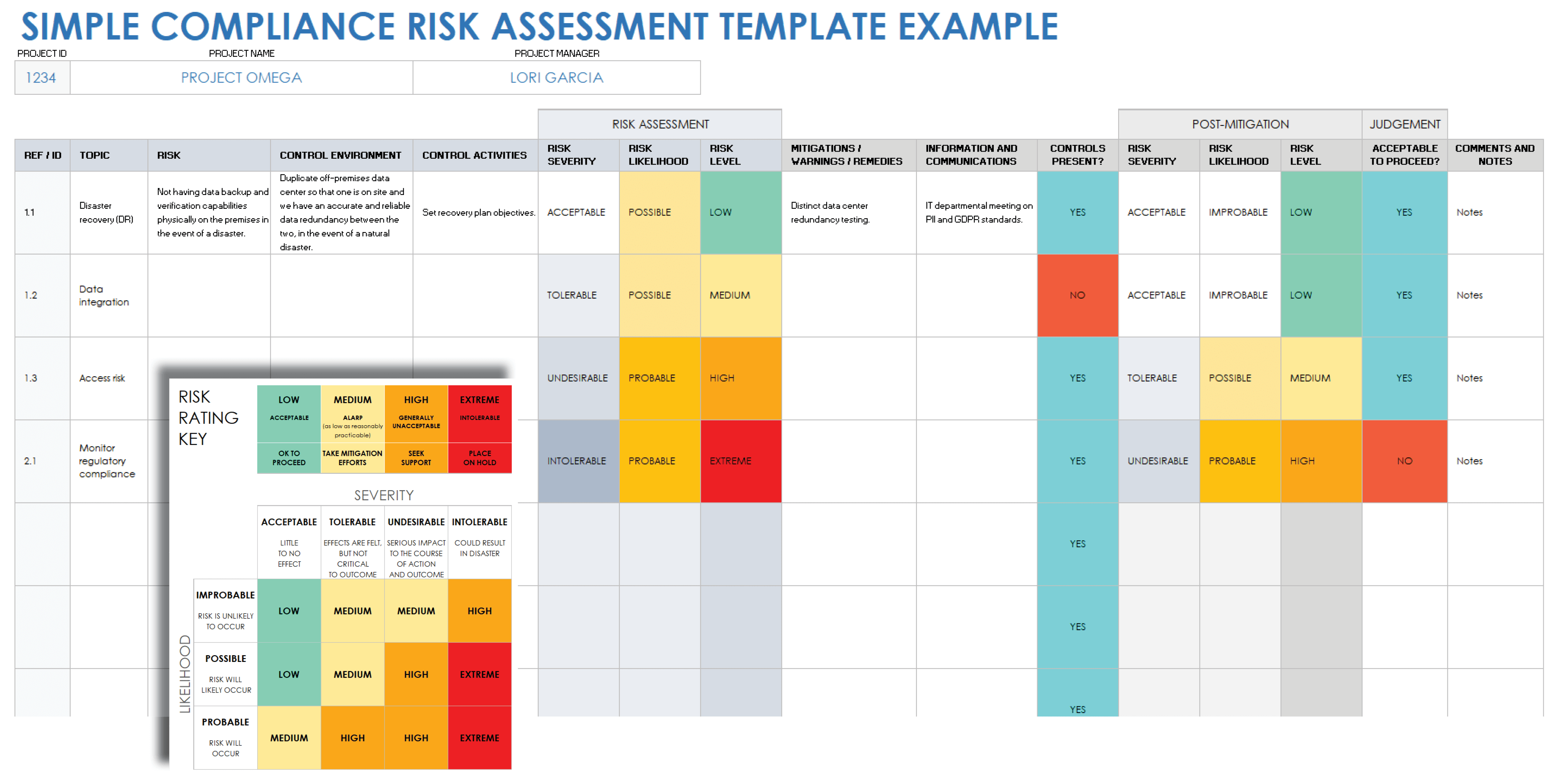
Many controls overlap across frameworks.
For example:
- Access control
- Encryption
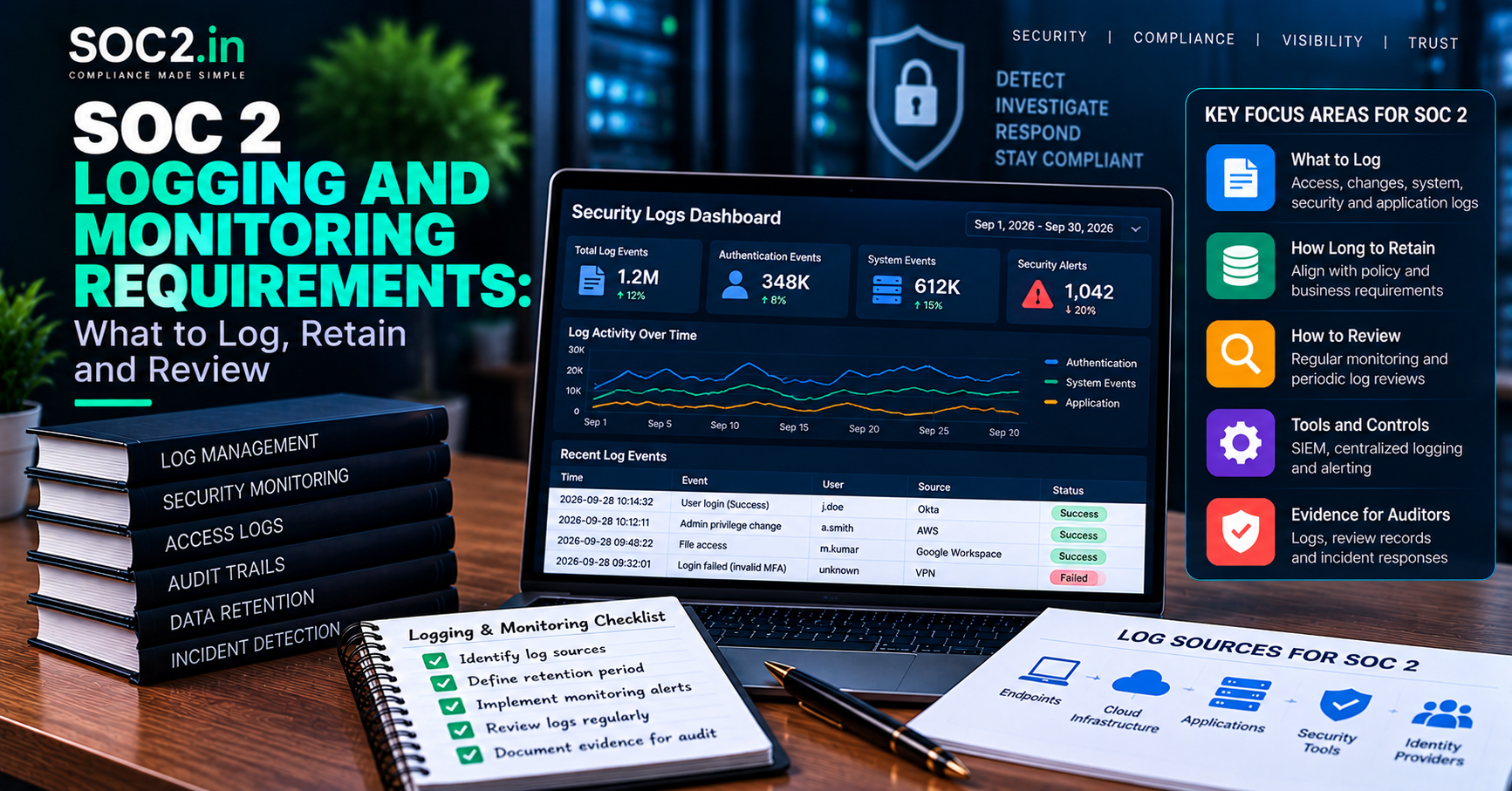
- Logging and monitoring
A unified platform maps one control to multiple frameworks.
👉 One effort, multiple compliance outcomes.
2. Automated Evidence Collection
Instead of collecting evidence manually for each framework:
- Integrate your systems once
- Collect evidence continuously
- Reuse it across audits
This reduces manual effort significantly.
3. Centralized Risk Management
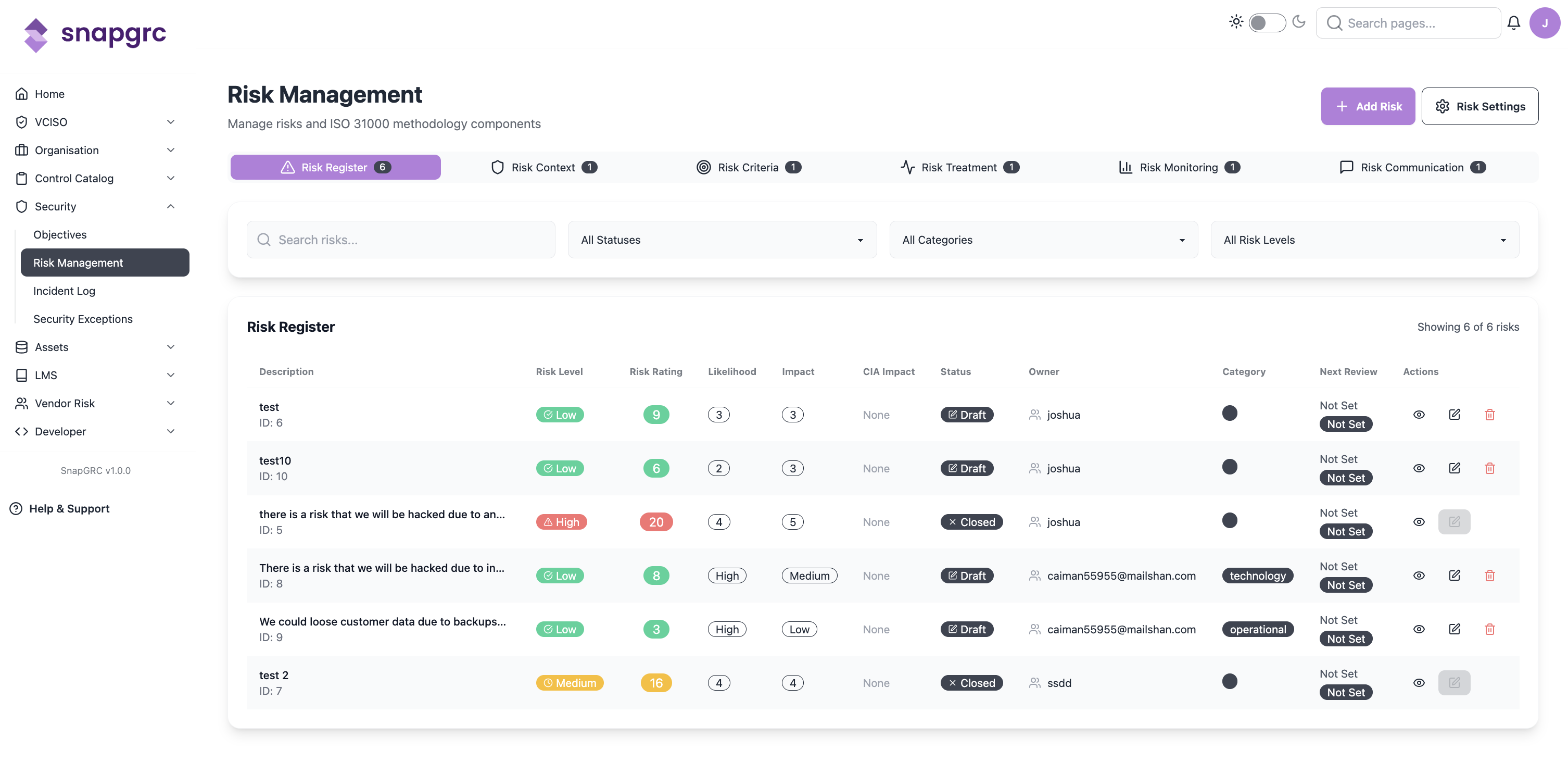
Risk is the common thread across all frameworks.
A unified platform helps you:
- Maintain a single risk register
- Track mitigation efforts
- Monitor vendor and AI risks
This is especially important with AI, where risks are evolving fast.
4. Continuous Monitoring Instead of Periodic Checks
Traditional compliance relies on snapshots.
Modern compliance is continuous.
With platforms like Drata:
- Controls are monitored in real time
- Alerts are triggered instantly
- Issues are fixed before audits
This aligns perfectly with SOC 2 Type 2 expectations.
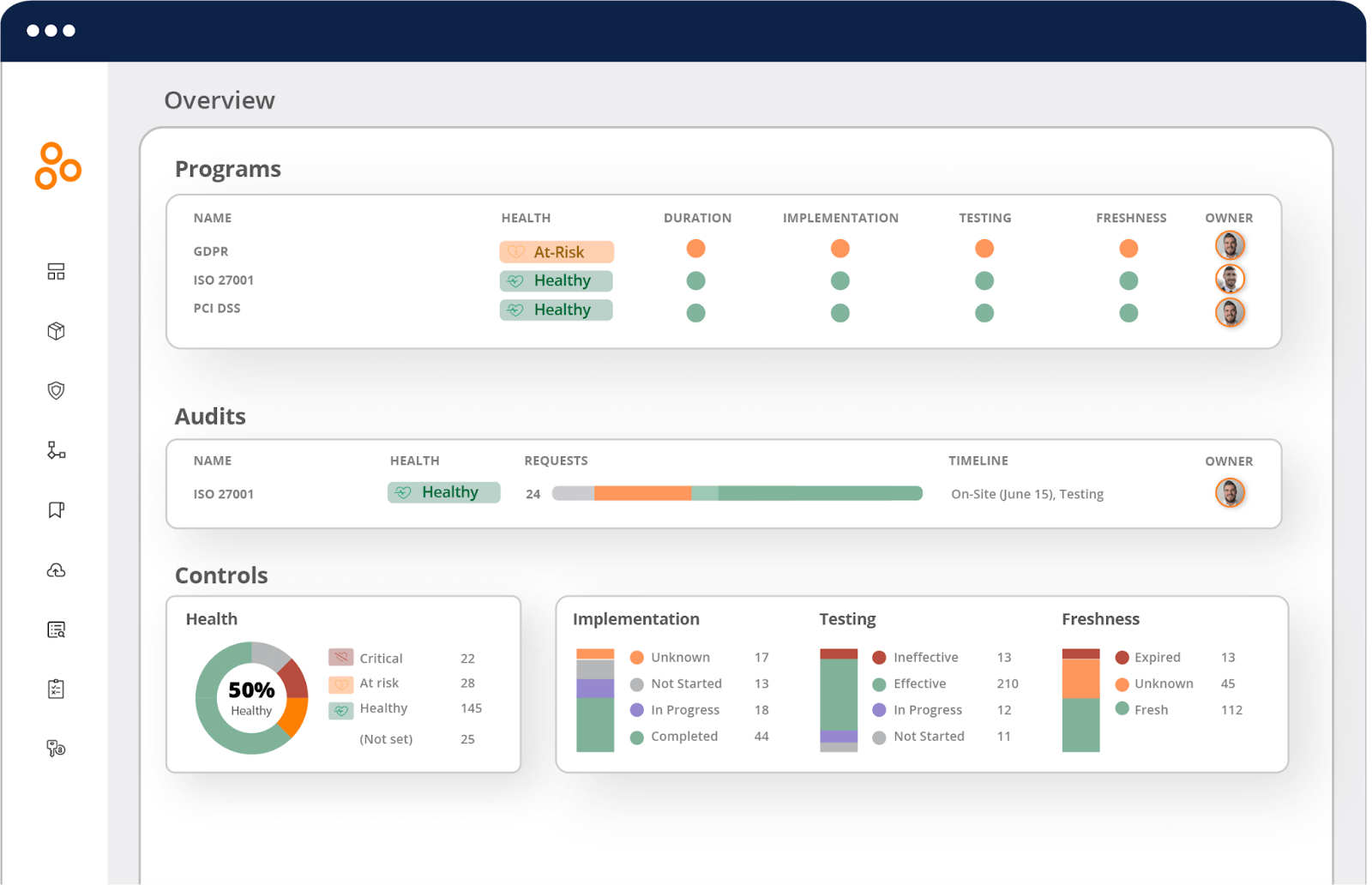
5. Unified Reporting and Audit Readiness
4
Instead of preparing separate reports:
- Generate framework-specific reports from one system
- Share evidence with auditors easily
- Stay audit-ready year-round
Where AI Compliance Fits In
AI compliance is the newest challenge.
It includes:
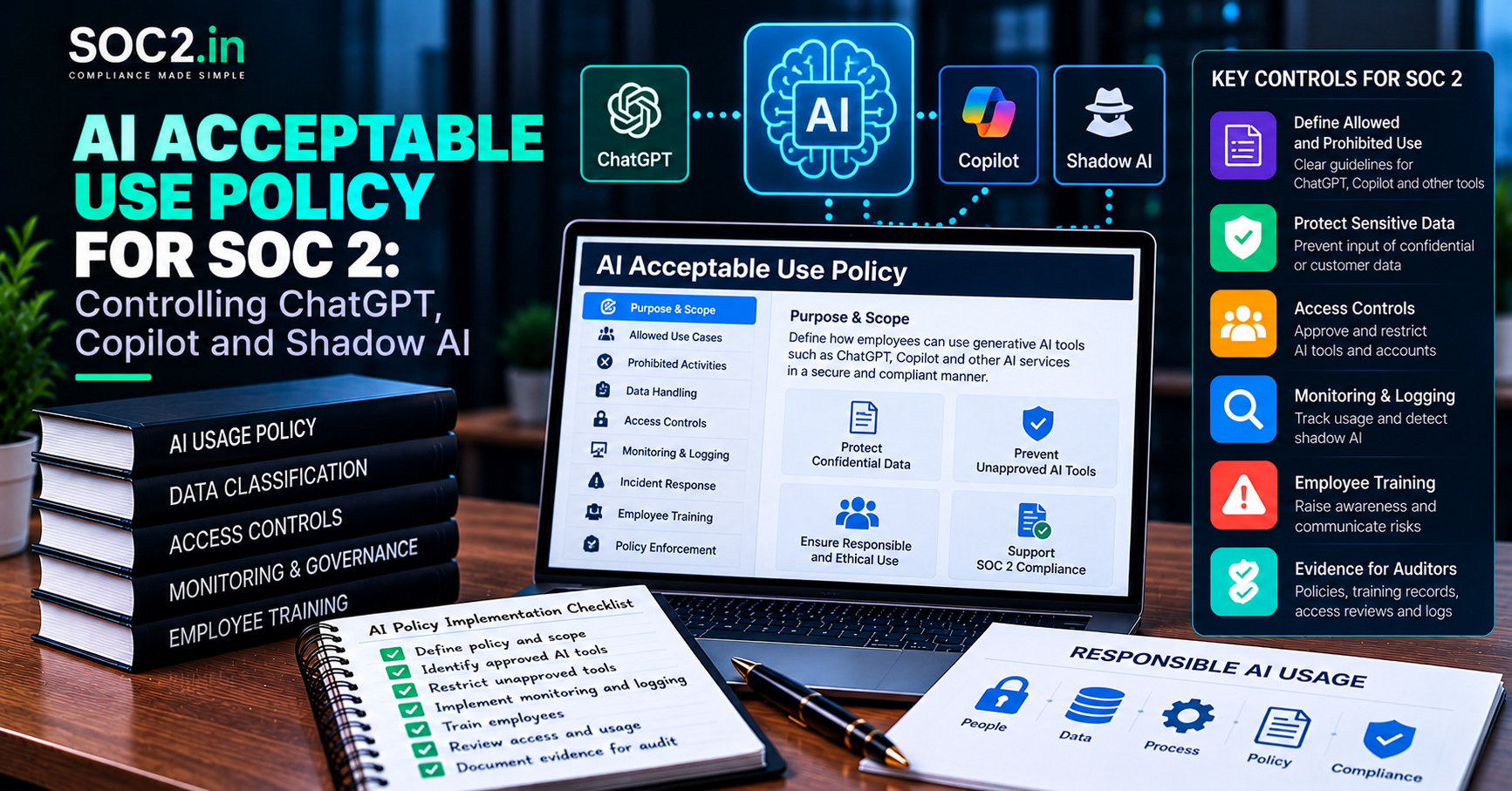
- Data usage governance
- Model risk management
- Vendor AI risk
- Employee usage policies
Unlike traditional frameworks, AI compliance is still evolving.
But it connects directly with existing controls like:
- Access management
- Data security
- Monitoring
That’s why integrating AI compliance into your existing platform makes sense.
Benefits of Managing Everything in One Platform
- Reduced duplication of work
- Lower compliance costs
- Better visibility across risks
- Faster audit preparation
- Improved consistency
Most importantly:
Your compliance program becomes scalable.
Common Mistakes to Avoid
- Managing frameworks in silos
- Treating AI compliance as separate from security
- Over-relying on spreadsheets
- Not automating evidence collection
- Ignoring continuous monitoring
Who Needs This Approach?
This is critical for:
- SaaS companies handling sensitive data
- Startups scaling into enterprise markets
- Global businesses needing ISO 27001
- Companies adopting AI tools
Final Thoughts
Compliance is getting more complex, not less.
Managing SOC 2, ISO 27001, and AI governance separately is no longer practical.
The future is clear:
One platform. Unified controls. Continuous compliance.
Platforms like Drata are leading this shift by helping companies simplify compliance while improving security.
If you get this right, compliance stops being a burden.
It becomes a strategic advantage.