Compliance used to be a seasonal exercise. Companies prepared for an audit once a year, pulled data from dozens of tools, created evidence folders, and hoped everything matched what auditors wanted to see. That approach no longer works. With rising regulatory expectations, evolving security threats, and real-time monitoring becoming the norm, organizations now need something stronger: continuous compliance.
This shift is especially important for SOC 2, where proof of ongoing control effectiveness is just as valuable as annual audit results. Today, being compliant once a year isn’t enough. You have to stay audit-ready every single day.
In this blog, we’ll break down what continuous compliance really means, why it matters now more than ever, and how organizations can build a system that stays ready year-round.
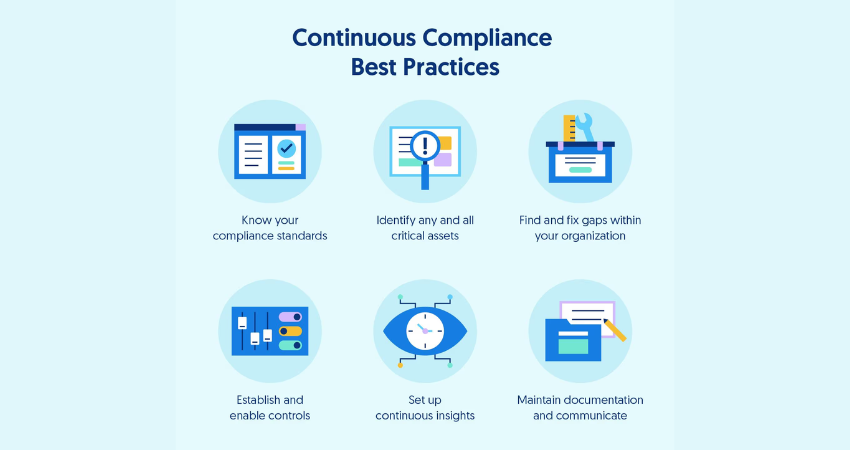
Why Continuous Compliance Matters Today
Several changes in the cybersecurity and compliance landscape have pushed continuous compliance from “nice to have” to “mandatory.”
1. Threats are dynamic
Attackers don’t wait for audit cycles. Controls that worked three months ago might not hold up today. Continuous validation strengthens your ability to detect and respond to new risks.
2. Auditors expect stronger evidence
SOC 2 Type II audits now emphasize consistent performance. Point-in-time checks don’t give a real picture. Auditors want logs, alerts, automated reports, and control testing results that prove ongoing activity.
3. Cloud adoption demands real-time oversight
Modern environments change every day. New users get onboarded, access shifts, integrations are added, and configurations drift. Cloud misconfigurations have become one of the leading causes of breaches. Continuous compliance tools help track and fix these changes instantly.
4. Regulations are tightening globally
New guidelines like the SEC cybersecurity disclosure rules, updates to APRA CPS 234, RBI guidelines, and ISO 27001:2022 revisions all expect near real-time visibility into risks and controls.
What Continuous Compliance Actually Looks Like
Continuous compliance isn’t about working harder. It’s about working smarter by automating what used to be manual.
Here’s what a modern setup includes:
1. Automated evidence collection
Tools integrate with systems like AWS, Azure, GCP, Okta, Google Workspace, Microsoft 365, vulnerability scanners, endpoint security solutions, ticketing platforms, and more.
They automatically pull evidence for controls such as:
- Access reviews
- Encryption status
- Vulnerability scan reports
- Security incidents
- Configuration baselines
This removes the scramble before audits.
2. Continuous control monitoring
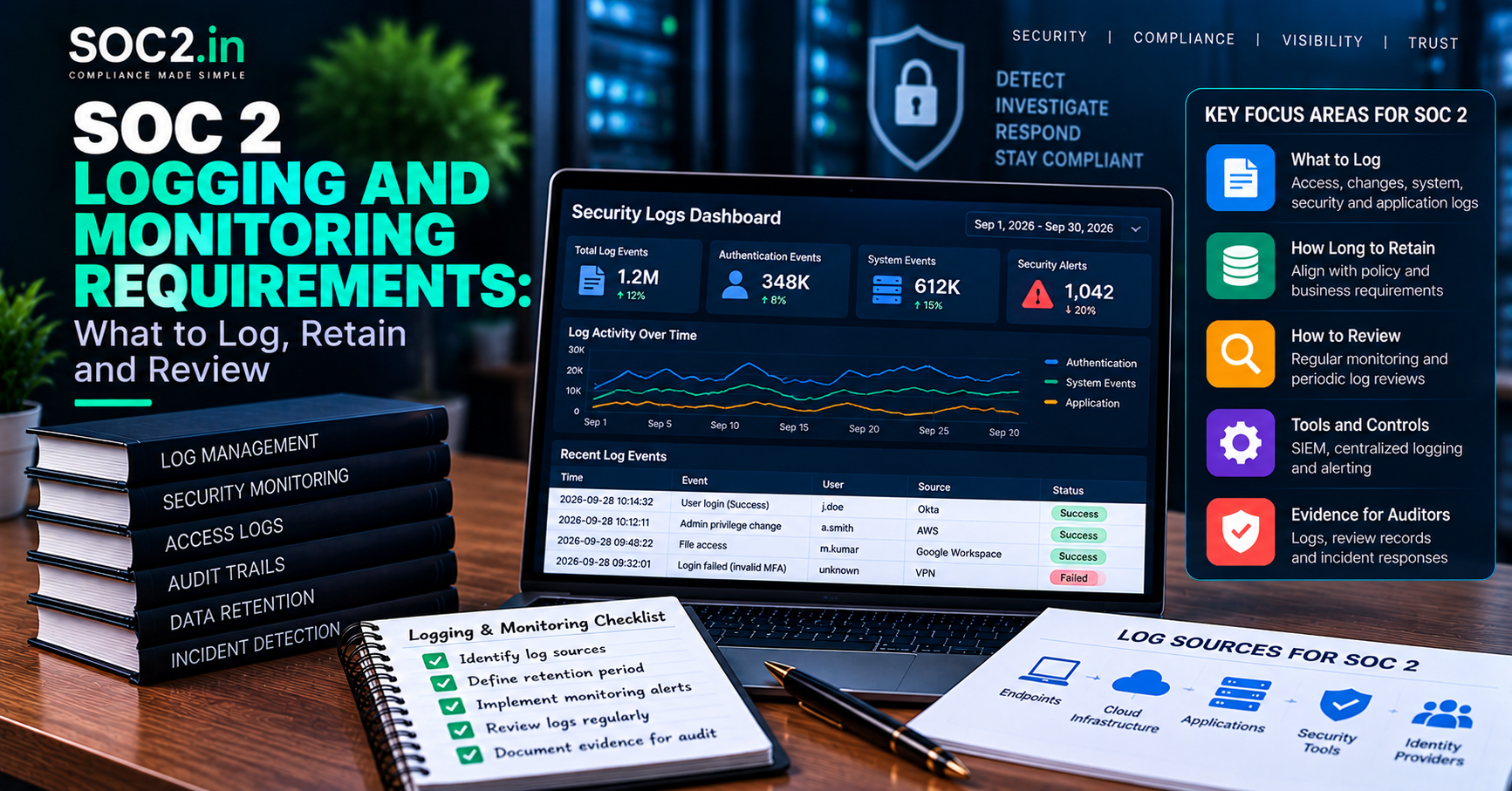
Controls are monitored daily or weekly, depending on the requirement. If something breaks, alerts notify the right team so they can fix it before the next auditor ever asks.
Examples:
- S3 bucket suddenly becomes public
- MFA disabled for any admin
- A critical patch missed on an endpoint
- Suspicious privileged login
3. Real-time dashboards
Compliance dashboards show your status across frameworks like SOC 2, ISO 27001, HIPAA, GDPR, and PCI DSS. This gives leadership and auditors instant clarity.
4. Mapping controls across frameworks
Modern compliance tools let you map a single control to multiple standards. A strong access control process can satisfy SOC 2 CC6.1, ISO 27001 A.5.17, and PCI DSS 7.2. This saves time and reduces duplicated work.
5. Automated policy and evidence versioning
Every change is tracked. This is critical because auditors now check whether controls were consistently followed throughout the period.
Latest Trends Shaping Continuous Compliance in 2025 and Beyond
The compliance world is changing quickly. Here are the latest updates shaping how organizations stay audit-ready:
1. AI-driven control testing
AI tools now analyze logs, behavior patterns, and user access more deeply. They highlight anomalies, outdated access privileges, or configuration drift faster than manual reviews ever could.
2. Zero-trust alignment
Compliance frameworks increasingly expect proof of zero-trust implementation. Continuous monitoring helps maintain identity-based access, device trust, and segmentation.
3. Regulatory acceptance of automated evidence
Many auditors now prefer automated logs and system-generated screenshots over manual uploads because they reduce manipulation risk. This makes continuous compliance smoother.
4. DevSecOps compliance integration
Compliance checks are moving earlier into CI/CD pipelines. A developer pushing insecure code can be flagged instantly instead of weeks later during an audit.
5. Unified security and compliance platforms
Companies are shifting from scattered tools to unified compliance platforms. This cuts costs and simplifies reporting.
How Continuous Compliance Strengthens SOC 2 Readiness
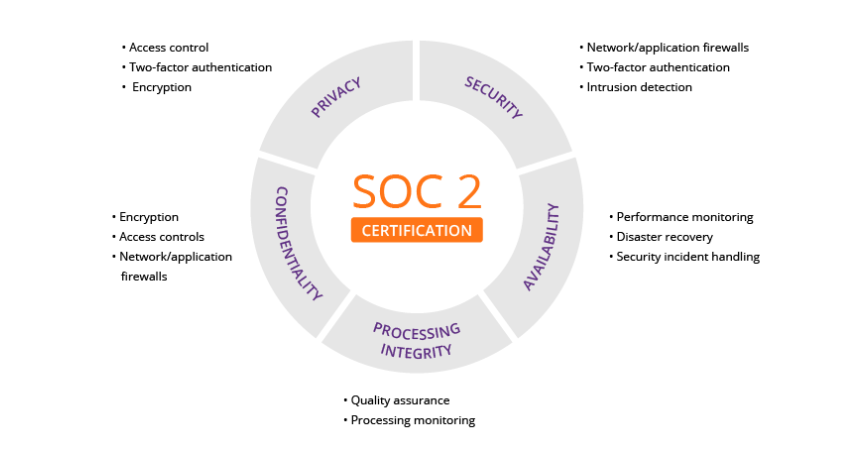
SOC 2 Type II requires demonstrating that controls worked throughout the audit period. Continuous compliance supports this by:
- Giving auditors timestamped evidence
- Showing alerts and remediation logs
- Providing audit-ready snapshots
- Reducing manual effort during the audit window
- Proving that security practices are consistent and trustworthy
Organizations that adopt continuous compliance often complete SOC 2 audits faster, with fewer exceptions and lower costs.
Building a Year-Round Audit-Ready System
If you’re planning to move toward continuous compliance, here’s a simple roadmap.
Step 1: Identify your compliance frameworks
SOC 2 is a common starting point, but many organizations combine it with ISO 27001 or GDPR depending on markets.
Step 2: Choose the right automation platform
Look for features like:
- API integrations
- Automated evidence collection
- Control testing
- Policy management
- Report generation
- Risk registers
Step 3: Establish monitoring rules
Tie your controls to automated alerts so issues surface early.
Step 4: Integrate with security tools
Bring together SIEM, vulnerability scanners, IAM systems, ticketing tools, and cloud infrastructure.
Step 5: Review dashboards weekly
A fifteen-minute check each week can prevent last-minute surprises.
Step 6: Document everything
Good documentation builds trust with auditors and reduces back-and-forth later.
Why Continuous Compliance Is the Future
Companies want to scale faster. Security standards are evolving. Customers expect transparency. All of this makes continuous compliance not just beneficial but essential.
Organizations that adopt it enjoy:
- Higher audit success rates
- Reduced security risks
- Lower operational effort
- Stronger trust with clients
- Better visibility into their environment
Instead of treating compliance as a yearly burden, it becomes part of your operational rhythm.
Final Thoughts
Continuous compliance isn’t about passing audits. It’s about building a culture where security controls run consistently, evidence is always available, and risks are managed before they become incidents. In a world where technology shifts every week, staying audit-ready year-round is the most practical approach.