In this guide, we’ll explain how customers evaluate SOC 2, what they look for, and how your organization can prepare for successful vendor assessments.
Why Customers Request a SOC 2 Report
Organizations rely on third-party vendors for software, cloud hosting, IT services, payroll, customer support, and many other critical functions.
Before granting access to sensitive information, customers want assurance that vendors maintain appropriate security controls.
A SOC 2 report provides independent verification that an organization’s controls have been assessed by a licensed Certified Public Accountant (CPA).
What Customers Look for in a SOC 2 Report
1. Report Type
One of the first things customers review is whether the organization has:
- SOC 2 Type I – Evaluates whether controls are properly designed at a specific point in time.
- SOC 2 Type II – Evaluates whether controls operate effectively over a defined observation period.
Most enterprise customers prefer SOC 2 Type II because it provides stronger assurance through continuous operational testing.
2. Trust Services Criteria Covered
Customers review which Trust Services Criteria (TSC) are included in the report:
- Security
- Availability
- Processing Integrity
- Confidentiality
- Privacy
The Security criterion is mandatory, while the others depend on the organization’s services and customer requirements.
3. Auditor’s Opinion
The auditor’s opinion is one of the most important sections of the report.
Customers check whether the CPA issued:
- Unqualified (Clean) Opinion – Controls were suitably designed and operating effectively.
- Qualified Opinion – Some issues or exceptions were identified.
- Adverse Opinion – Significant deficiencies were found.
- Disclaimer of Opinion – The auditor could not reach a conclusion.
A clean opinion provides the highest level of confidence.
4. Scope of the Audit
Customers verify whether the report covers the services they plan to use.
They review:
- Products and services included
- Systems covered
- Locations
- Cloud infrastructure
- Business processes
- Third-party providers
A clearly defined scope helps customers understand exactly what was assessed.
5. Control Testing Results
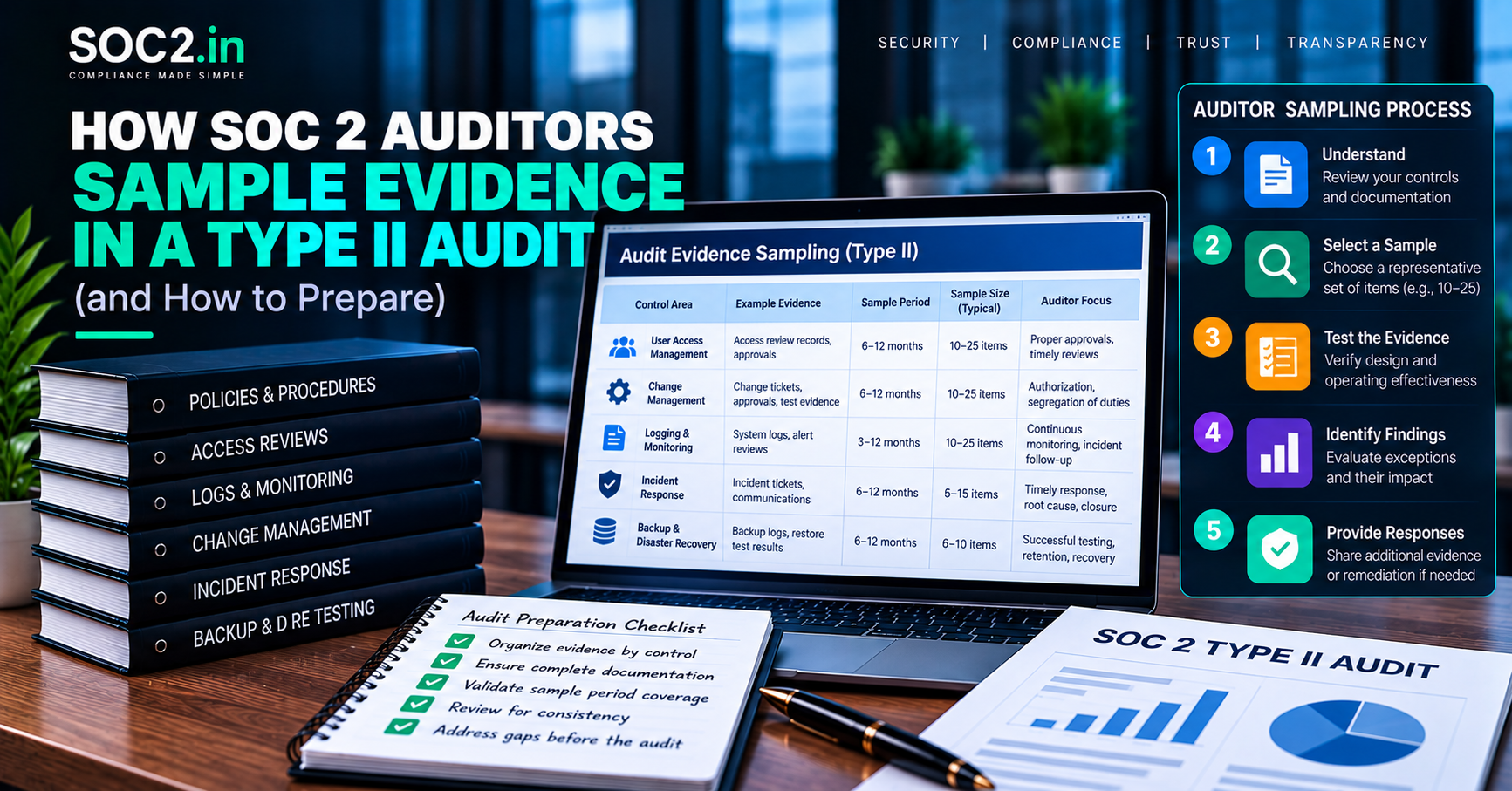
Customers evaluate whether key controls were tested successfully, including:
- User access management
- Multi-Factor Authentication (MFA)
- Encryption
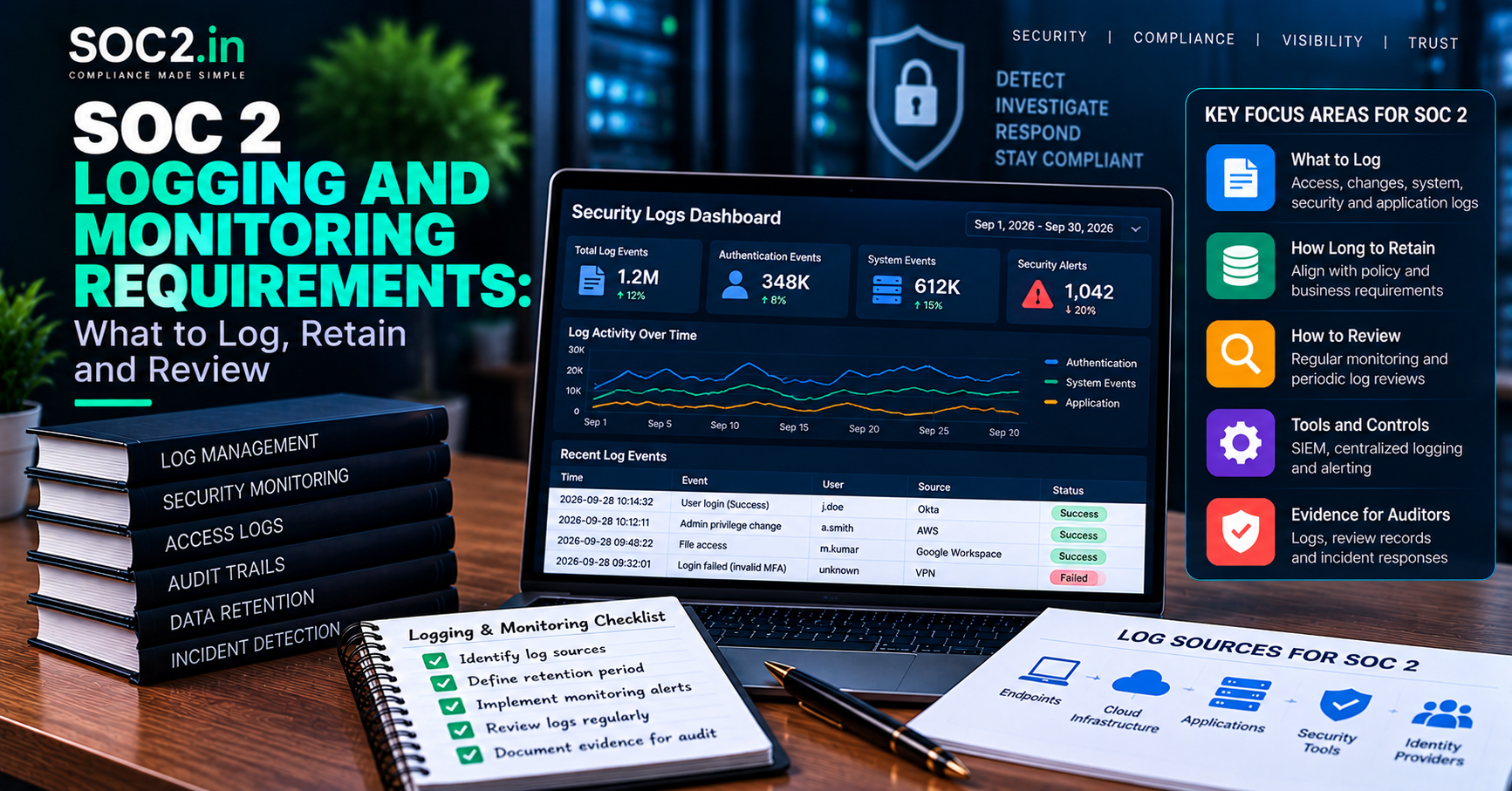
- Security monitoring
- Vulnerability management
- Change management
- Backup procedures
- Incident response
- Vendor management
They also review whether any exceptions were identified during testing.
6. Exceptions and Findings
No organization is perfect, and customers understand that.
However, they closely examine:
- Control exceptions
- Auditor observations
- Corrective actions
- Risk severity
- Management responses
Well-documented remediation plans demonstrate a mature security program.
7. Continuous Compliance
Customers increasingly prefer organizations that maintain compliance throughout the year rather than preparing only for the audit.
They may ask about:
- Continuous Controls Monitoring (CCM)
- Ongoing risk assessments
- Policy reviews
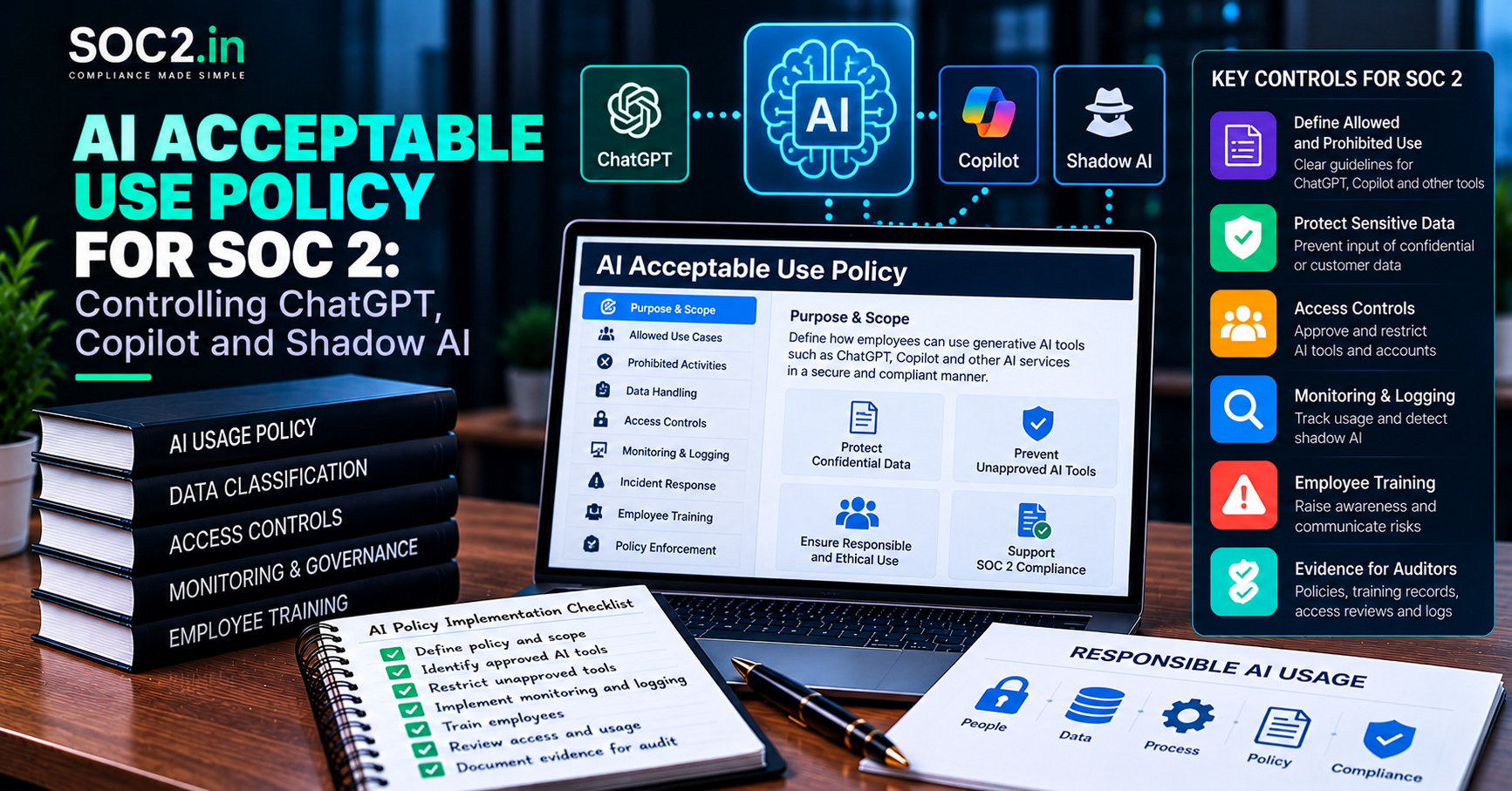
- Employee security training
- Incident response testing
Continuous compliance builds long-term confidence.
How to Prepare for Customer Reviews
To make a strong impression during vendor evaluations:
- Conduct a SOC 2 readiness assessment.
- Maintain updated security policies.
- Review user access regularly.
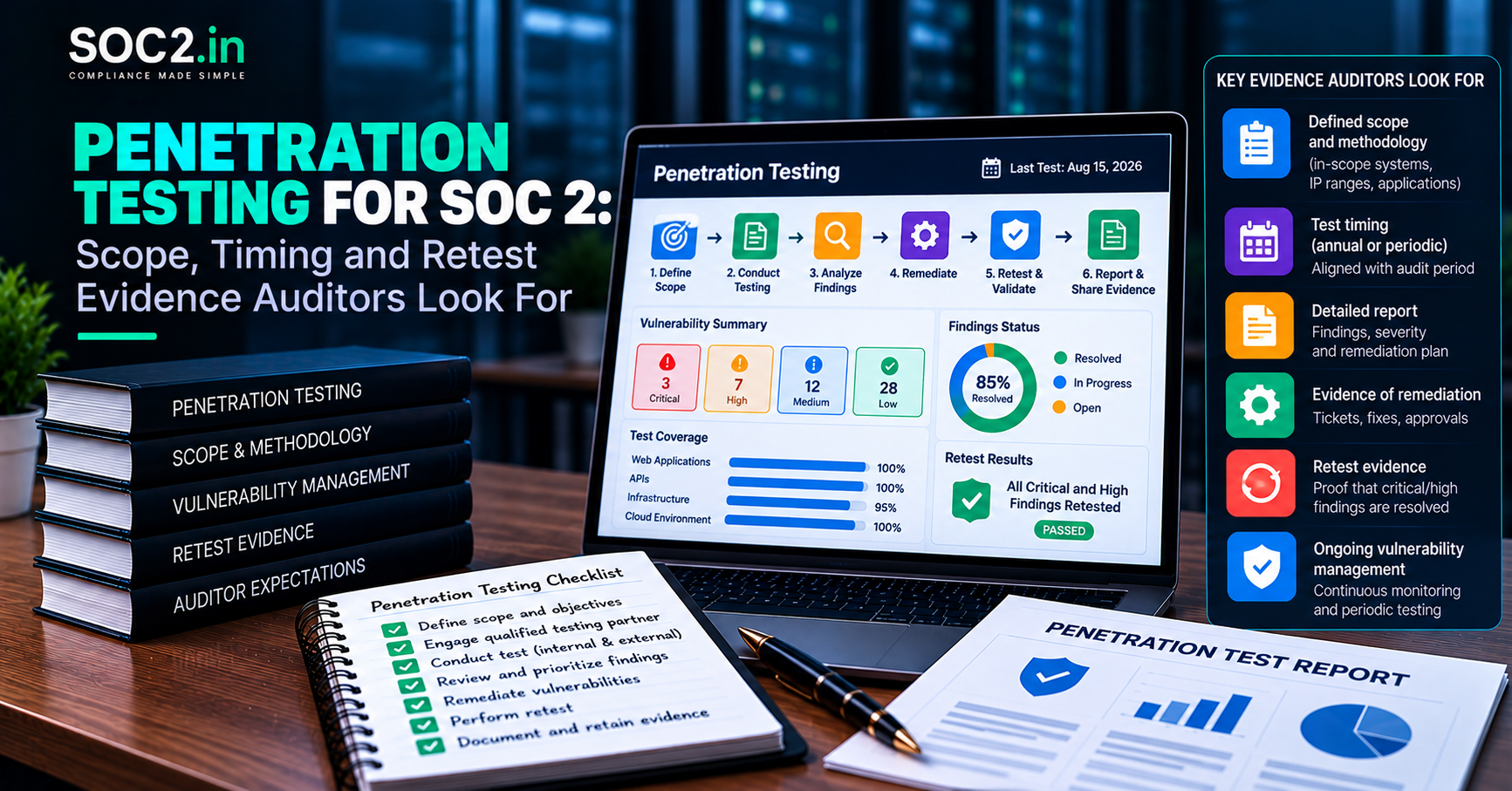
- Perform vulnerability assessments.
- Document incident response procedures.
- Continuously collect audit evidence.
- Monitor security controls year-round.
- Address audit findings promptly.
Preparation reduces delays during customer security reviews.
Common Customer Questions
Enterprise customers often ask:
- Is your SOC 2 report current?
- Is it Type I or Type II?
- Which Trust Services Criteria are included?
- Were any significant exceptions identified?
- How do you manage third-party risks?
- How frequently do you review access permissions?
- Do you perform penetration testing?
- How is customer data protected?
Being ready to answer these questions builds confidence and speeds up procurement.
Why SOC 2 Improves Vendor Trust
A SOC 2 report helps customers:
- Reduce third-party risk
- Simplify vendor due diligence
- Validate security controls
- Confirm operational maturity
- Improve regulatory confidence
For vendors, this often translates into faster sales cycles and stronger customer relationships.
Conclusion
Understanding how customers evaluate SOC 2 helps organizations prepare for successful vendor assessments and build lasting customer trust. Enterprise buyers look beyond the existence of a SOC 2 report—they examine the audit scope, Trust Services Criteria, auditor’s opinion, control testing, and ongoing compliance efforts.
By maintaining strong security controls, addressing audit findings, and demonstrating continuous improvement, organizations can confidently meet customer expectations and strengthen their position in today’s competitive marketplace.
Frequently Asked Questions
What do customers look for in a SOC 2 report?
Customers typically review the report type, Trust Services Criteria, auditor’s opinion, audit scope, control testing results, and any exceptions or remediation efforts.
Do customers prefer SOC 2 Type II?
Yes. Most enterprise customers prefer SOC 2 Type II because it demonstrates that controls operate effectively over time.
Is a clean auditor opinion important?
Yes. An unqualified (clean) opinion provides customers with greater confidence in your organization’s security controls.
How can companies prepare for customer SOC 2 reviews?
Organizations should maintain updated documentation, continuously monitor controls, perform regular risk assessments, and promptly address any audit findings.