As businesses increasingly rely on cloud technology and third-party service providers, customers want assurance that their sensitive information is secure. Although SOC 2 compliance is not legally mandatory, many industries now consider it an essential requirement when selecting vendors and technology partners.
Organizations that process, store, or transmit customer data are often expected to provide a SOC 2 Report to demonstrate that their security controls meet recognized industry standards.
In this guide, we’ll explore the industries where SOC 2 is most valuable and why it has become a critical business requirement.
What is SOC 2?
SOC 2 (System and Organization Controls 2) is an auditing framework developed by the American Institute of Certified Public Accountants (AICPA).
It evaluates an organization’s controls based on the Trust Services Criteria (TSC):
- Security
- Availability
- Processing Integrity
- Confidentiality
- Privacy
A licensed CPA firm independently audits these controls and issues a SOC 2 Report, providing customers with assurance that the organization protects sensitive information effectively.
Why Do Industries Request SOC 2?
Many organizations work with vendors that have access to confidential customer data or business-critical systems. Before entering into a partnership, they want proof that appropriate security controls are in place.
A SOC 2 Report helps organizations:
- Reduce third-party risk
- Demonstrate security maturity
- Build customer trust
- Simplify vendor assessments
- Meet enterprise procurement requirements
Industries That Commonly Require SOC 2
1. Software as a Service (SaaS)
SaaS companies are among the largest adopters of SOC 2 because they host customer applications and store sensitive business information in the cloud.
Examples include:
- CRM platforms
- Project management tools
- HR software
- Accounting software
- Collaboration platforms
SOC 2 is often requested before enterprise customers purchase SaaS solutions.
2. Cloud Service Providers
Cloud infrastructure providers manage critical systems, applications, and customer data.
SOC 2 demonstrates that cloud environments maintain strong controls for:
- Access management
- Data protection
- Monitoring
- Availability
- Incident response
3. Managed Service Providers (MSPs)
MSPs frequently manage customer networks, servers, cloud environments, and security infrastructure.
Because they have privileged access to customer systems, SOC 2 helps prove they follow recognized cybersecurity best practices.
4. Financial Technology (FinTech)
FinTech organizations process highly sensitive financial information, including:
- Payment data
- Banking records
- Investment information
- Financial transactions
SOC 2 strengthens customer confidence and supports vendor security requirements.
5. Healthcare Technology
Healthcare technology companies manage protected health information (PHI), patient records, and medical applications.
SOC 2 complements broader healthcare security programs by demonstrating strong operational and security controls.
6. Data Centers and Hosting Providers
Organizations providing hosting and colocation services must maintain secure, highly available infrastructure.
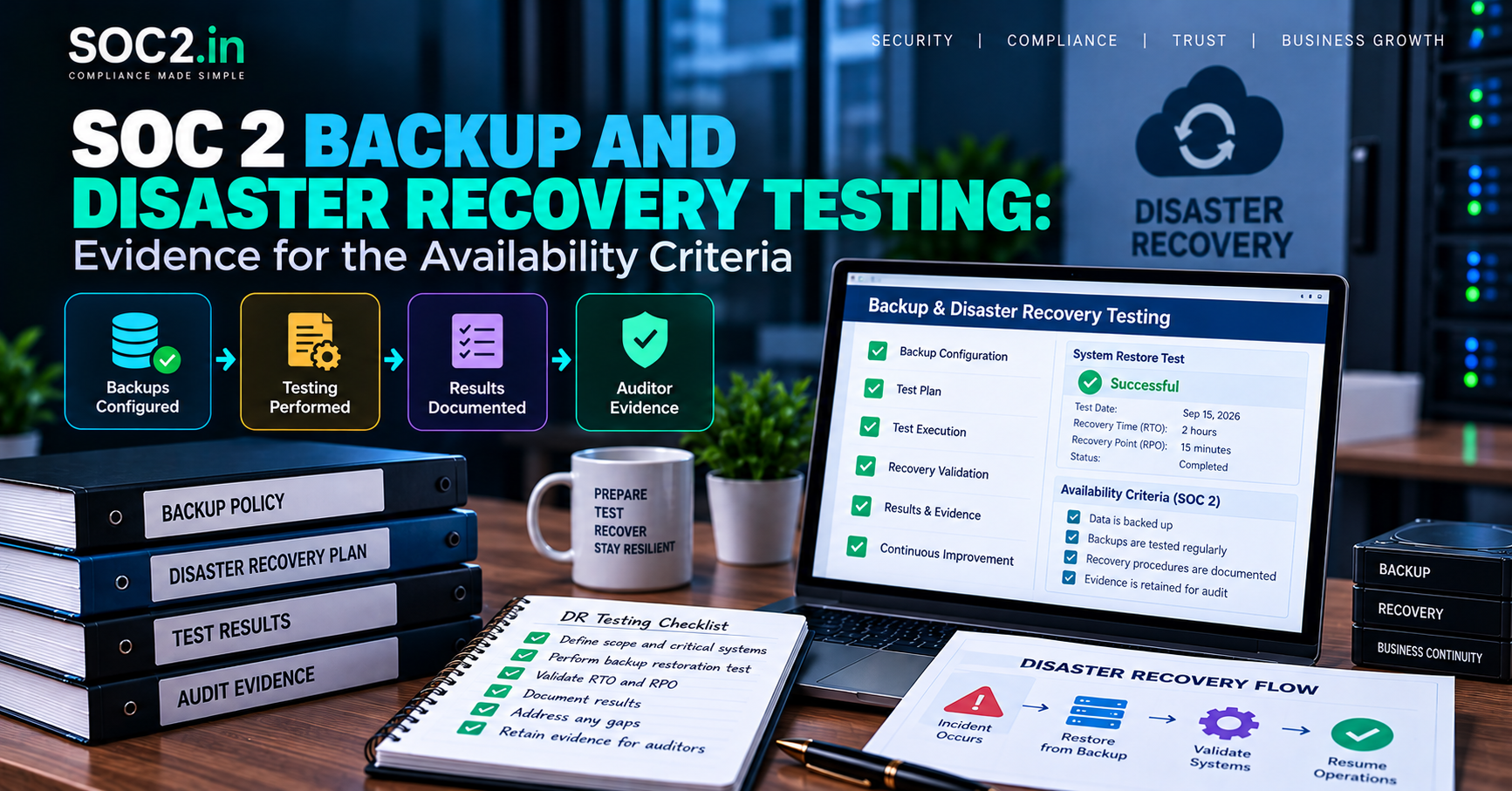
SOC 2 demonstrates effective controls for physical security, environmental monitoring, disaster recovery, and operational resilience.
7. IT Consulting and Technology Services
IT consulting firms often access customer infrastructure, applications, and confidential business information.
SOC 2 helps reassure clients that their data will be handled securely throughout the engagement.
8. Business Process Outsourcing (BPO)
BPO organizations process customer information on behalf of clients, including:
- Customer support
- Payroll processing
- Human resources
- Accounting services
- Back-office operations
SOC 2 helps demonstrate responsible handling of outsourced business processes.
9. Cybersecurity Companies
Organizations providing cybersecurity services, penetration testing, security monitoring, managed detection and response (MDR), or security consulting often pursue SOC 2 to validate their own security controls and build customer confidence.
10. Artificial Intelligence (AI) and Data Analytics Companies
AI platforms and analytics providers frequently process large volumes of customer data.
SOC 2 demonstrates that data is managed securely throughout collection, processing, storage, and reporting.
Benefits of SOC 2 Across Industries
Organizations that implement SOC 2 often experience:
- Greater customer trust
- Faster enterprise sales
- Stronger cybersecurity
- Reduced vendor risk
- Improved governance
- Competitive differentiation
- Better operational efficiency
- Increased business opportunities
Is SOC 2 Mandatory?
SOC 2 is generally not required by law. However, many enterprise customers make it a contractual requirement before sharing sensitive data or awarding business.
For organizations serving enterprise clients, SOC 2 has become an expected industry standard rather than an optional advantage.
Best Practices for Industry Compliance
To prepare for SOC 2 successfully:
- Perform a readiness assessment.
- Conduct regular risk assessments.
- Implement strong access controls.
- Enable Multi-Factor Authentication (MFA).
- Monitor systems continuously.
- Maintain updated security policies.
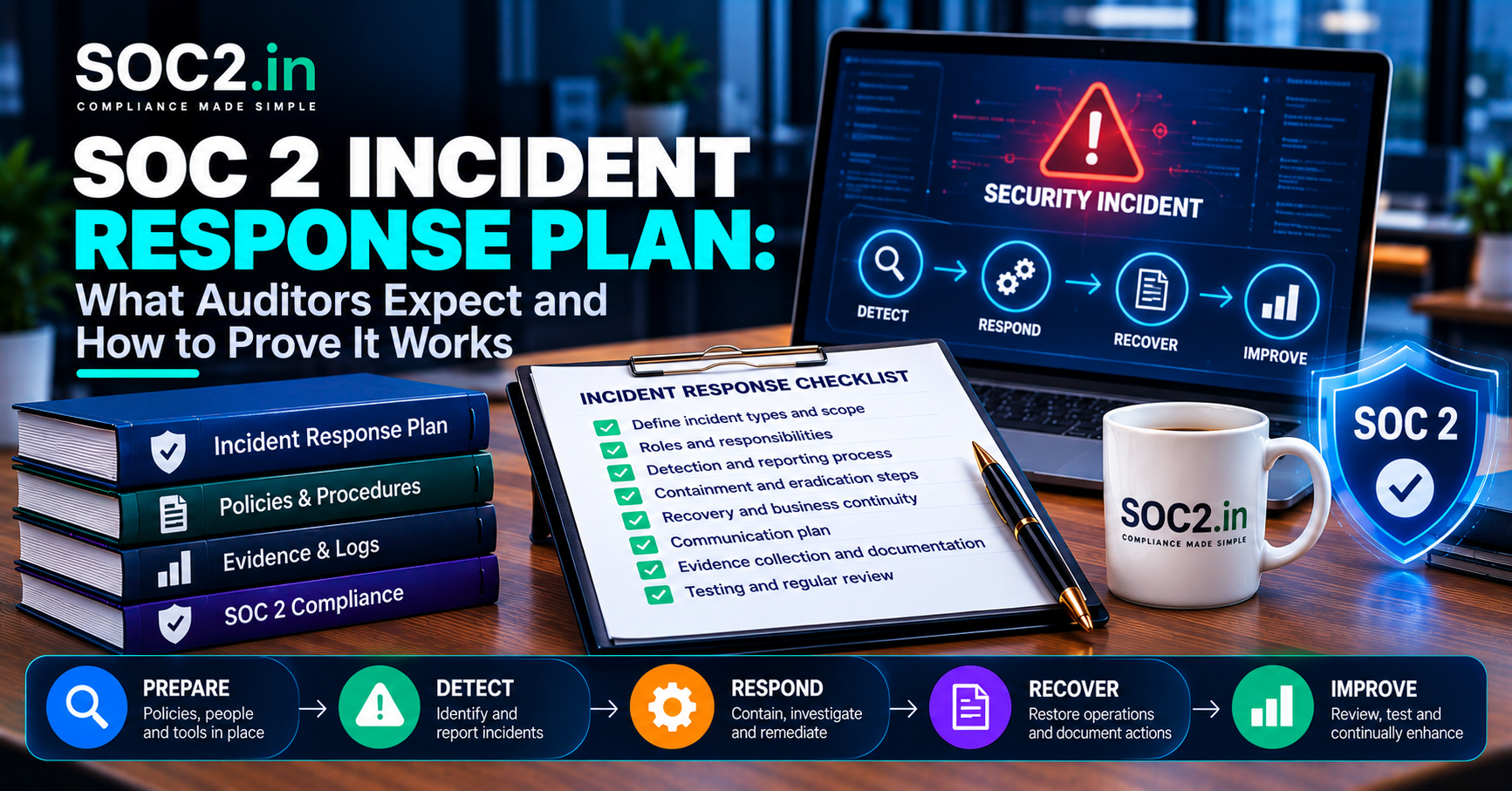
- Test incident response procedures.
- Train employees on security awareness.
- Collect audit evidence throughout the year.
Conclusion
While SOC 2 may not be legally mandatory, it has become a trusted benchmark for organizations that handle customer data across industries. From SaaS providers and cloud platforms to fintech, healthcare technology, managed services, and cybersecurity companies, SOC 2 demonstrates a strong commitment to information security and operational excellence.
If your business works with enterprise customers or manages sensitive information, pursuing SOC 2 can help build trust, simplify vendor assessments, and create a lasting competitive advantage.
Frequently Asked Questions
Which industries benefit most from SOC 2?
SaaS, cloud service providers, MSPs, fintech, healthcare technology, data centers, cybersecurity companies, and IT service providers are among the industries that benefit most.
Is SOC 2 legally required for these industries?
No. SOC 2 is generally voluntary, but many enterprise customers require it as part of their vendor onboarding process.
Why do enterprise customers ask for SOC 2?
They use SOC 2 reports to evaluate a vendor’s security controls and reduce third-party risk before sharing sensitive information.
Can startups pursue SOC 2?
Yes. Many startups obtain SOC 2 early to attract enterprise customers and establish credibility in competitive markets.