As cybersecurity and data privacy become top priorities, businesses are increasingly asked to demonstrate how they protect sensitive customer information. One of the most common questions organizations ask is: “Is SOC 2 mandatory?”
The short answer is No. SOC 2 is not legally mandatory. However, for many organizations, it has become a business necessity due to customer expectations, vendor requirements, and competitive market demands.
In this guide, we’ll explain when SOC 2 is required, which businesses benefit from it, and why it has become one of the most valuable security frameworks for technology companies.
What is SOC 2?
SOC 2 (System and Organization Controls 2) is an auditing framework developed by the American Institute of Certified Public Accountants (AICPA).
It evaluates an organization’s controls based on the Trust Services Criteria (TSC):
- Security
- Availability
- Processing Integrity
- Confidentiality
- Privacy
A licensed CPA firm independently audits these controls and issues a SOC 2 Report demonstrating whether they are properly designed and operating effectively.
Is SOC 2 Legally Mandatory?
No. There is no law or government regulation that requires every business to obtain a SOC 2 report.
Unlike regulations such as GDPR, HIPAA, or certain government security requirements, SOC 2 is a voluntary compliance framework.
However, many organizations pursue SOC 2 because customers, partners, and enterprise procurement teams often expect it before doing business.
When Does SOC 2 Become a Business Requirement?
Although SOC 2 is voluntary, it is commonly required in situations such as:
Enterprise Customer Contracts
Large organizations frequently request a SOC 2 report during vendor onboarding to verify that a service provider follows recognized security practices.
Vendor Risk Assessments
Many companies include SOC 2 as part of their third-party risk management process.
SaaS Procurement
Enterprise buyers often prefer or require SaaS vendors to demonstrate SOC 2 compliance before signing contracts.
Competitive Bidding
SOC 2 can strengthen proposals and improve the likelihood of winning security-conscious customers.
Which Organizations Should Pursue SOC 2?
SOC 2 is highly recommended for organizations that:
- SaaS companies
- Cloud service providers
- Managed Service Providers (MSPs)
- Data centers
- FinTech companies
- Healthcare technology providers
- IT consulting firms
- Organizations handling sensitive customer information
If your business stores, processes, or transmits customer data, SOC 2 can significantly improve customer confidence.
Why Do Customers Ask for SOC 2?
Customers want assurance that their information is protected.
A SOC 2 report demonstrates that your organization has implemented controls for:
- Access management
- Data protection
- Encryption
- Security monitoring
- Incident response
- Risk management
- Business continuity
- Vendor management
This independent validation helps reduce customer concerns about cybersecurity risks.
Benefits of Voluntary SOC 2 Compliance
Even though SOC 2 is not mandatory, organizations gain several important advantages:
Builds Customer Trust
Customers feel more confident working with organizations that have independently validated security controls.
Accelerates Sales
SOC 2 simplifies vendor security reviews and helps shorten enterprise sales cycles.
Strengthens Cybersecurity
Preparing for SOC 2 encourages organizations to improve security policies, access controls, monitoring, and risk management.
Creates a Competitive Advantage
SOC 2 helps differentiate your business from competitors without recognized security assurance.
Improves Operational Maturity
Organizations often develop stronger governance, documentation, and security processes during SOC 2 implementation.
SOC 2 Type I vs SOC 2 Type II
Organizations typically choose between two report types:
SOC 2 Type I
Evaluates whether controls are appropriately designed at a specific point in time.
SOC 2 Type II
Evaluates whether those controls operate effectively over a defined observation period.
Most enterprise customers prefer SOC 2 Type II because it demonstrates continuous operational effectiveness.
Best Practices Before Starting SOC 2
To prepare for a successful SOC 2 audit:
- Perform a readiness assessment.
- Identify compliance gaps.
- Implement security policies and procedures.
- Conduct regular risk assessments.
- Enable Multi-Factor Authentication (MFA).
- Continuously monitor security controls.
- Train employees on cybersecurity awareness.
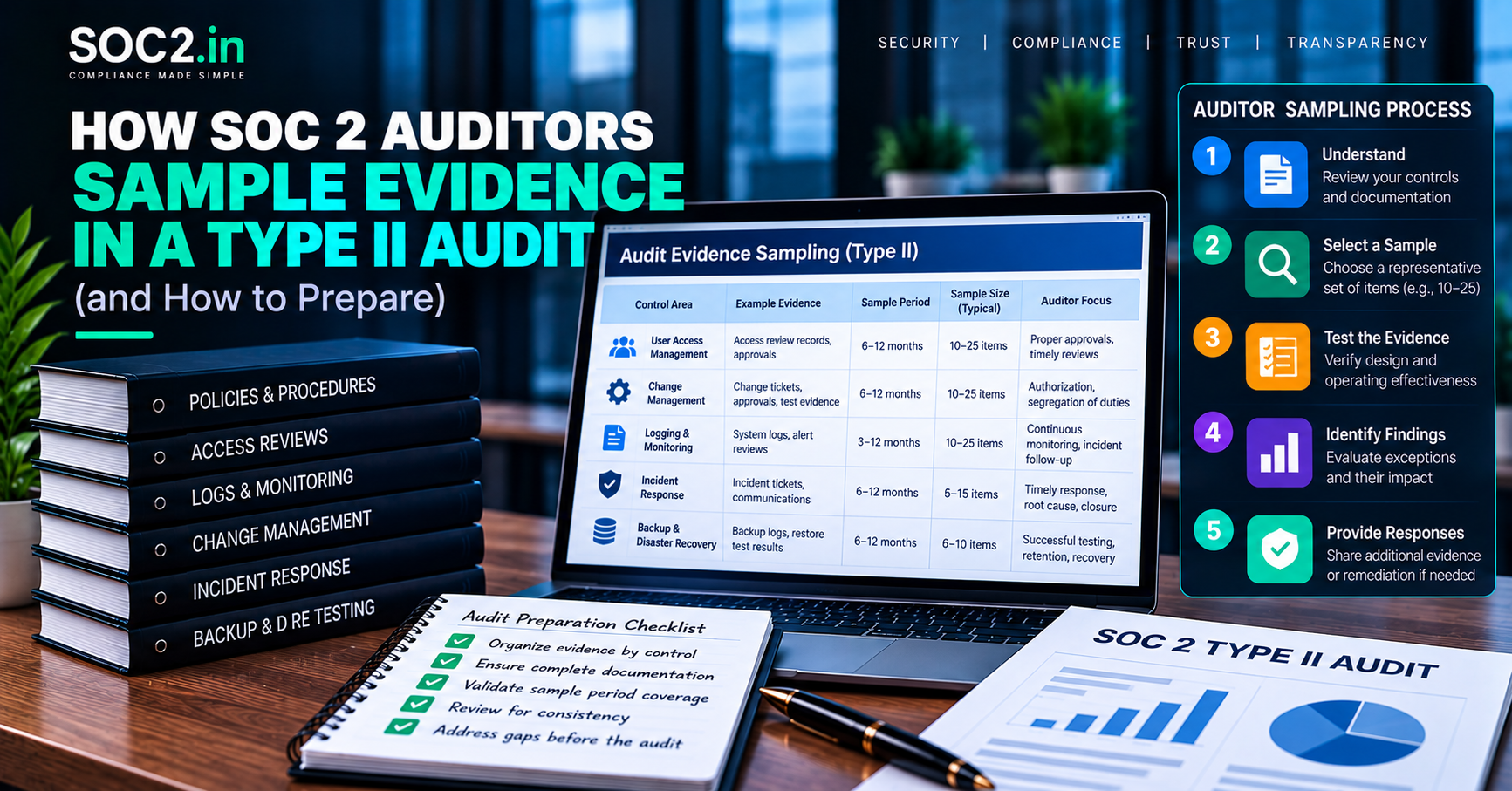
- Collect audit evidence throughout the year.
These practices improve both security and audit readiness.
Should Your Organization Get SOC 2?
If your business wants to:
- Win enterprise customers
- Build customer trust
- Improve cybersecurity
- Reduce vendor security questionnaires
- Support long-term business growth
- Demonstrate operational maturity
then pursuing SOC 2 is a strategic investment, even though it is not legally required.
Conclusion
So, is SOC 2 mandatory? Legally, the answer is no. However, in today’s competitive technology landscape, many customers and business partners view SOC 2 as an expected standard for organizations handling sensitive information.
By achieving SOC 2 compliance, businesses demonstrate a commitment to security, transparency, and continuous improvement. Whether you’re a startup, SaaS provider, or established technology company, SOC 2 can help build trust, accelerate sales, and strengthen your overall security posture.
Frequently Asked Questions
Is SOC 2 legally required?
No. SOC 2 is a voluntary compliance framework and is not mandated by law.
Why do enterprise customers ask for SOC 2?
Enterprise customers use SOC 2 reports to evaluate a vendor’s security controls and reduce third-party risk.
Is SOC 2 important for startups?
Yes. Many startups pursue SOC 2 to attract enterprise customers, improve credibility, and gain a competitive advantage.
Which SOC 2 report is most valuable?
SOC 2 Type II is generally considered the most valuable because it demonstrates that security controls operate effectively over time.