In today’s complex regulatory landscape, many organizations, especially those in healthcare or dealing with sensitive data, find themselves juggling multiple compliance frameworks. If you’ve already implemented SOC 2 controls, you’re well on your way to meeting other critical standards like NIST Cybersecurity Framework (CSF) and HIPAA.
The key isn’t to reinvent the wheel for each framework, but to strategically map your existing SOC 2 controls to satisfy the requirements of NIST CSF and HIPAA. This approach saves time, reduces redundant efforts, and strengthens your overall security posture.
Why Map Your Controls?
- Efficiency: Avoid duplicating efforts. If a SOC 2 control already addresses a NIST CSF or HIPAA requirement, you don’t need to create a new one.
- Cost Savings: Reduce audit preparation time and potentially professional service fees.
- Holistic Security: Understand how different frameworks complement each other, leading to a more robust and comprehensive security program.
- Audit Readiness: Be better prepared for multiple audits by demonstrating a clear understanding of how your controls fulfill various requirements.
The Overlap: SOC 2 as Your Foundation
SOC 2’s Trust Services Criteria (TSC) – Security, Availability, Processing Integrity, Confidentiality, and Privacy – provide a strong baseline for information security. Many of these controls directly align with NIST CSF functions and HIPAA safeguards.
Mapping to NIST CSF: Identify, Protect, Detect, Respond, Recover
NIST CSF is a voluntary framework widely adopted for improving critical infrastructure cybersecurity. Its five core functions are a perfect complement to SOC 2’s operational controls.
Let’s look at some examples:
- Identify: Your SOC 2 Risk Management and System Operations controls (e.g., asset inventory, threat analysis) directly feed into NIST CSF’s “Identify” function.
- Protect: This is where many SOC 2 controls shine. Access Control, Data Encryption, Network Security, and Change Management from SOC 2 perfectly align with NIST CSF’s “Protect” function.
- Detect: SOC 2’s requirements for Monitoring Controls and Intrusion Detection directly address NIST CSF’s “Detect” function.
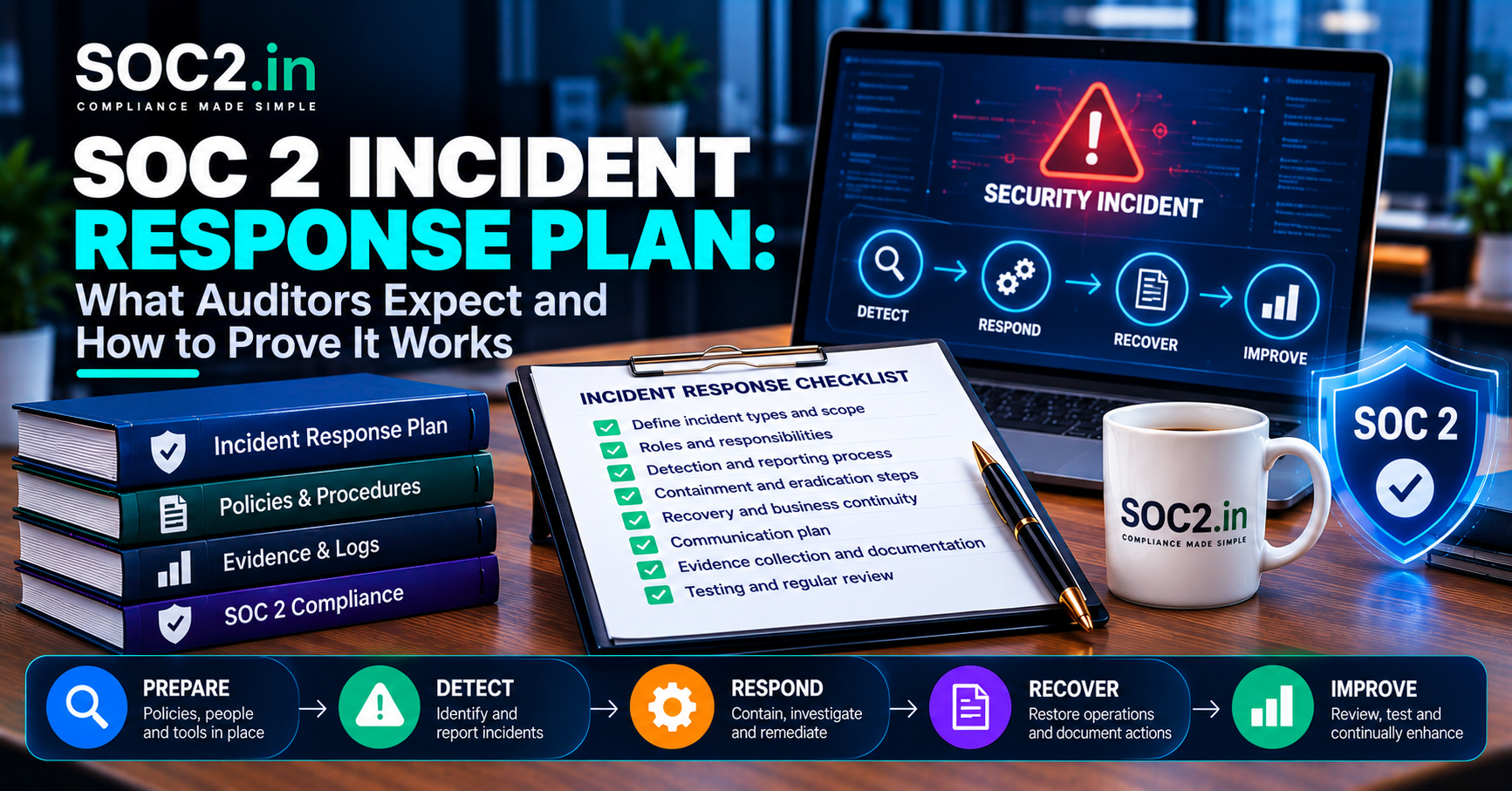
- Respond: Your SOC 2 Incident Response Plan and communication protocols are crucial for NIST CSF’s “Respond” function.
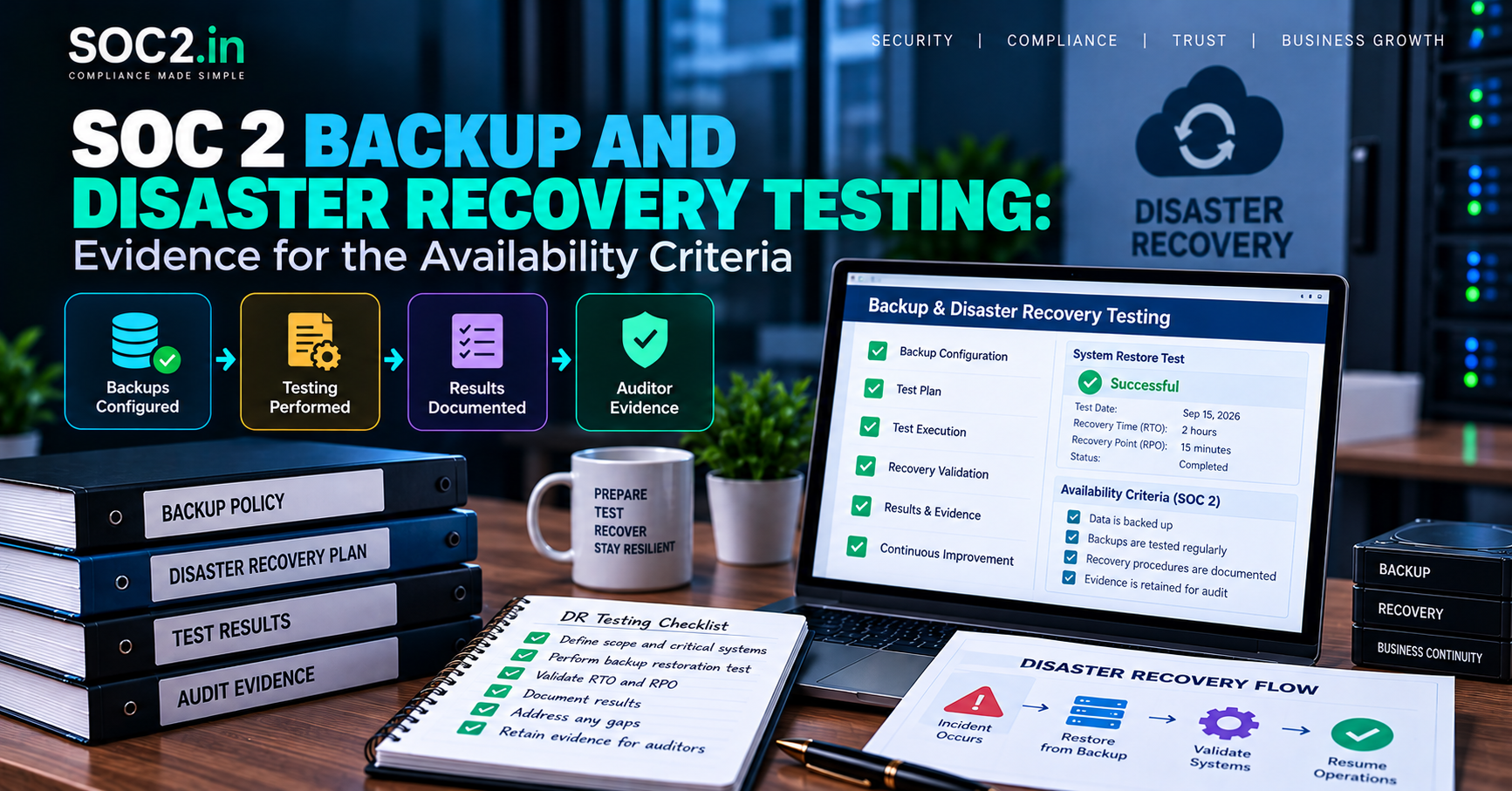
- Recover: SOC 2’s Disaster Recovery and Business Continuity plans directly support NIST CSF’s “Recover” function.
Mapping to HIPAA: Administrative, Physical, and Technical Safeguards
For any organization handling Protected Health Information (PHI), HIPAA compliance is non-negotiable. The good news is that many SOC 2 controls directly help you meet HIPAA’s stringent requirements.
- Administrative Safeguards:
- Security Management Process: Your SOC 2 Risk Assessment and Security Policy documentation are key here.
- Workforce Security: SOC 2’s requirements for background checks, training, and access termination align well.
- Incident Procedures: Your SOC 2 Incident Response Plan is critical for HIPAA breach notification and handling.
- Physical Safeguards:
- Facility Access Controls: SOC 2’s Physical Security controls (e.g., visitor logs, entry systems) directly address these.
- Workstation Use: SOC 2’s requirements for device security and data handling apply.
- Technical Safeguards:
- Access Control: SOC 2’s strong Access Control policies and mechanisms are essential for HIPAA.
- Audit Controls: SOC 2’s focus on logging and monitoring user activity is directly applicable.
- Integrity: SOC 2’s Data Integrity principles ensure PHI is not improperly altered or destroyed.
- Encryption: SOC 2’s Data Encryption controls are crucial for HIPAA’s requirements for protecting ePHI in transit and at rest.
Best Practices for Effective Mapping
- Use a Common Language: Standardize your control descriptions so they can be easily understood across different frameworks.
- Utilize GRC Tools: Governance, Risk, and Compliance (GRC) platforms are invaluable for mapping controls, tracking evidence, and managing cross-framework compliance.
- Regular Reviews: Compliance isn’t a one-time event. Regularly review and update your control mappings as your systems evolve or as framework requirements change.
- Engage Experts: Consider working with compliance experts who specialize in these frameworks to ensure accurate and comprehensive mapping.
Conclusion
By strategically mapping your SOC 2 controls to NIST CSF and HIPAA requirements, you can build a highly efficient and robust compliance program. This approach not only streamlines your efforts but also ensures a deeper, more integrated understanding of your organization’s security posture, preparing you for any audit or regulatory challenge.