If you’re building a SaaS product today, security isn’t something you can “add later.” It has to be part of how you build from day one.
And if you’re working toward SOC 2, this becomes even more important.
One thing many teams realize too late is this:
SOC 2 isn’t just about policies or documents. It’s about how your software is actually built and maintained.
That’s where Secure SDLC (Software Development Lifecycle) comes in.
What is Secure SDLC (in simple terms)?
Think of Secure SDLC as a way of building software where security is part of every step, not just a final checklist before release.
Instead of asking
“Is the product secure?” at the end
You start asking
“Are we building this securely?” from the beginning.
It covers everything from planning features to writing code, testing, and even maintaining the product after release.
Why Secure SDLC matters for SOC 2
SOC 2 auditors look for evidence that your systems are secure in practice, not just in theory.
They want to see things like:
- How you control access
- How you manage code changes
- How you detect vulnerabilities
- How you respond to incidents
If your development process isn’t secure, it becomes very hard to prove compliance.
Secure SDLC helps you:
- Catch issues early (before they become expensive problems)
- Build consistent processes
- Stay audit-ready without last-minute panic
- Reduce real security risks, not just “pass the audit”
How Secure SDLC actually works (step by step)
Let’s break it down in a practical way.
1. Planning stage
This is where most teams ignore security, and that’s a mistake.
At this stage, you should:
- Define basic security requirements
- Identify what data you’re handling
- Think about risks early
For example, if you’re dealing with user data, you should already be thinking about encryption and access control here.
2. Design stage
Now you’re deciding how the system will be built.
This is where you:
- Design secure architecture
- Plan how users will access the system
- Map how data flows
A simple mindset helps here:
“What could go wrong?”
That’s essentially what threat modeling is.
3. Development stage
This is where real risks start showing up.
Common problems:
- Hardcoded passwords
- Poor input validation
- Weak authentication logic
To avoid this:
- Follow secure coding practices
- Do proper code reviews
- Use automated tools to scan code
Security should be part of your coding culture, not an extra task.
4. Testing stage
Before anything goes live, it needs to be tested properly.
This includes:
- Automated security scans
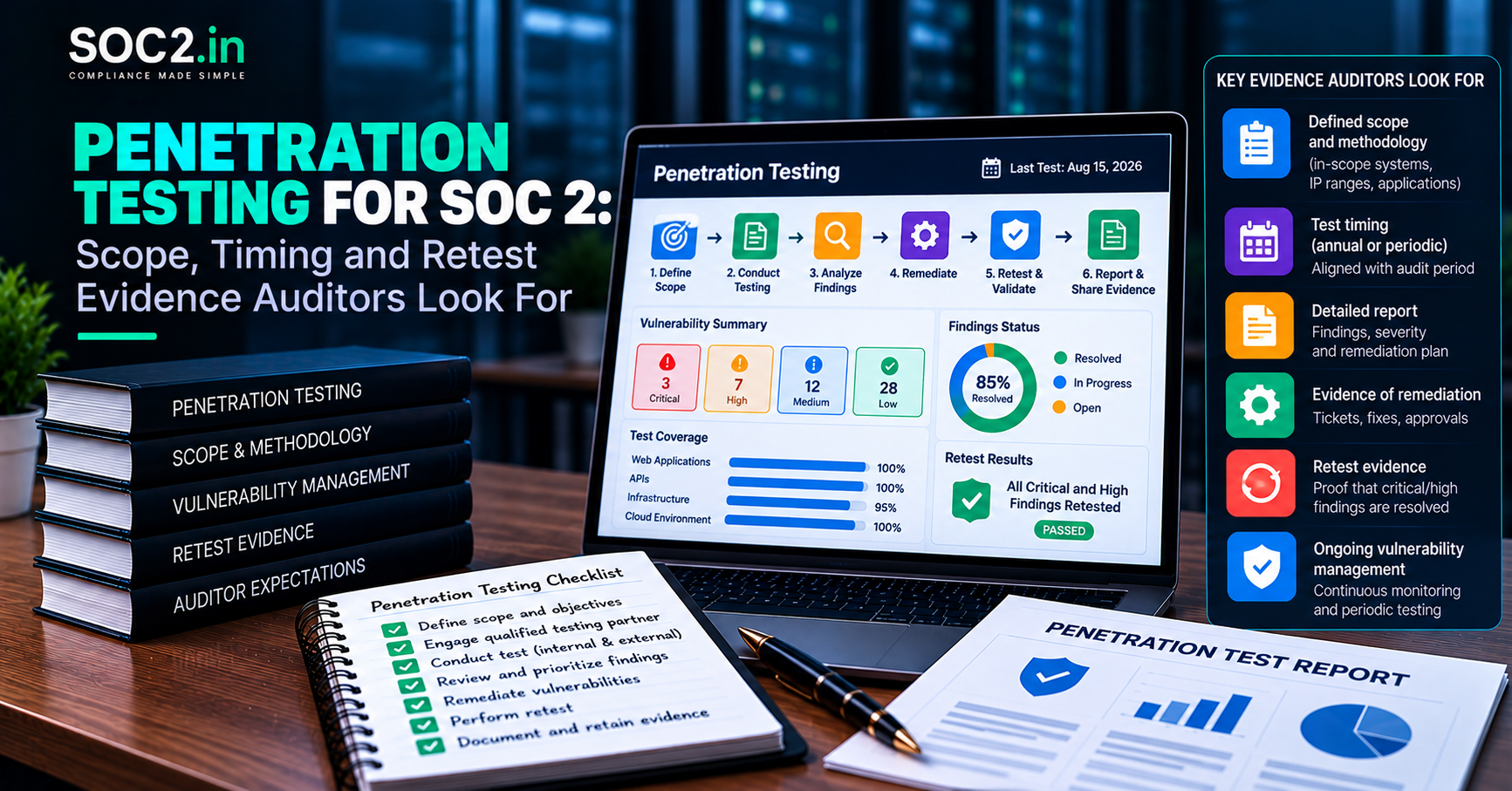
- Manual testing (like penetration testing)
- Checking dependencies for vulnerabilities
A lot of teams skip depth here and regret it later.
5. Deployment stage
Even deployment can introduce risks.
You need to make sure:
- Only authorized people can deploy code
- Environments are separated (dev, staging, production)
- Your infrastructure is properly configured
A weak deployment process can undo all your earlier efforts.
6. Monitoring & maintenance
Once your product is live, the job isn’t done.
You need to:
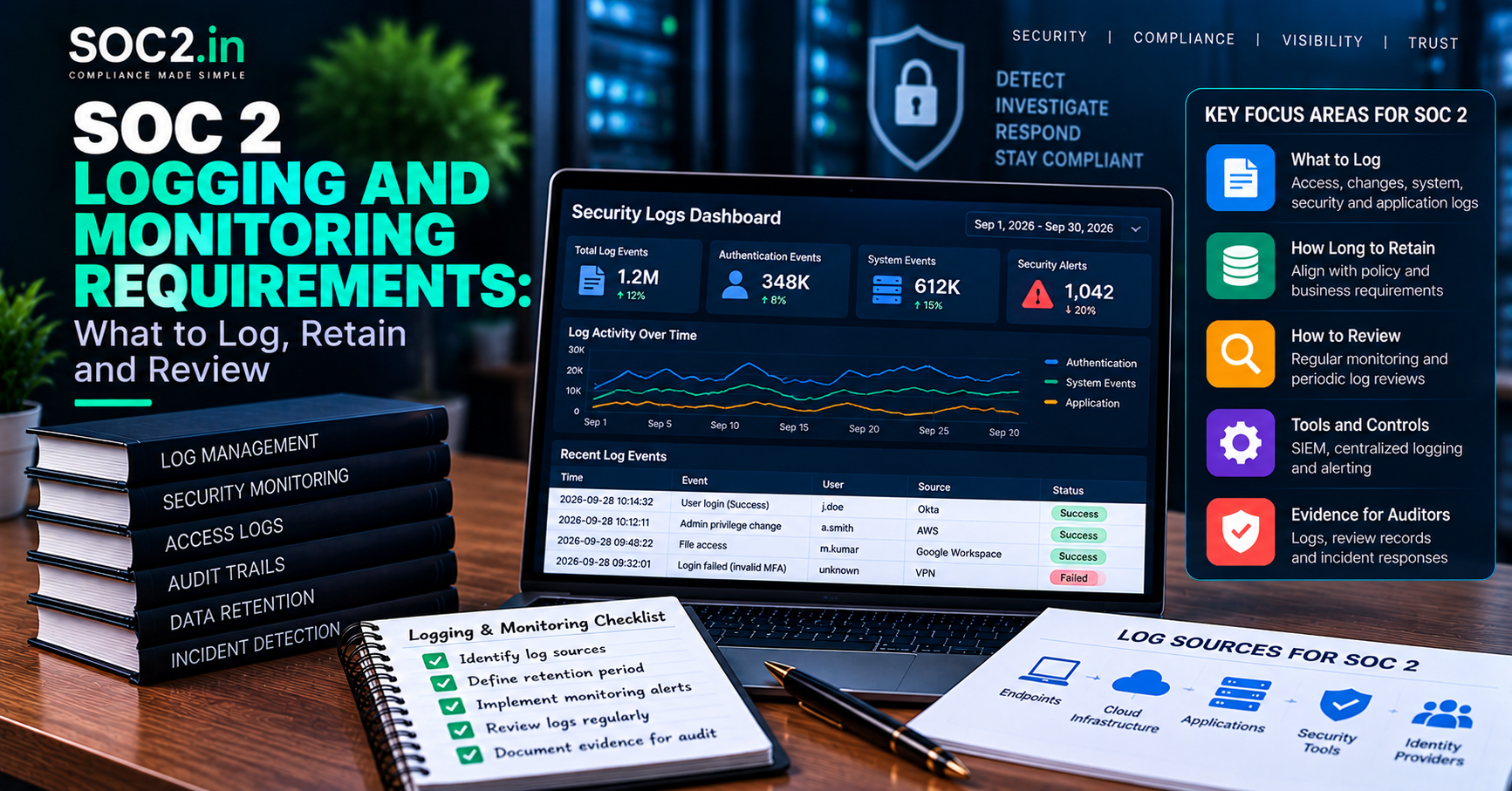
- Monitor logs
- Track unusual activity
- Fix vulnerabilities quickly
- Keep systems updated
This part is especially important for SOC 2 Type 2, where ongoing performance matters.
Tools that make Secure SDLC easier
You don’t have to do everything manually.
Some commonly used tools include:
- Code scanning tools (like SonarQube)
- Vulnerability scanners (like Snyk)
- CI/CD tools (GitHub Actions, GitLab)
For compliance tracking and automation:
- Vanta
- Drata
- Secureframe
These tools help you collect the kind of evidence auditors expect.
Common mistakes teams make
Even good teams fall into these traps:
- Treating security as a last step
- Not documenting what they’re doing
- Ignoring third-party risks
- Skipping regular testing
- Giving too much access to too many people
These are exactly the things auditors notice.
What you gain by doing this right
When Secure SDLC is properly implemented, things start to change:
- Your SOC 2 process becomes smoother
- Security issues drop significantly
- Your team becomes more disciplined
- Customers trust you more
- Enterprise deals become easier to close
It’s not just about compliance. It’s about building better software.
Final thoughts
Secure SDLC isn’t a tool or a one-time setup.
It’s a mindset and a process.
If you’re aiming for SOC 2, you can’t avoid it.
Start small if needed. Improve step by step.
But make sure security becomes part of how your team builds things every day.
That’s what actually makes you audit-ready and, more importantly, production-ready.