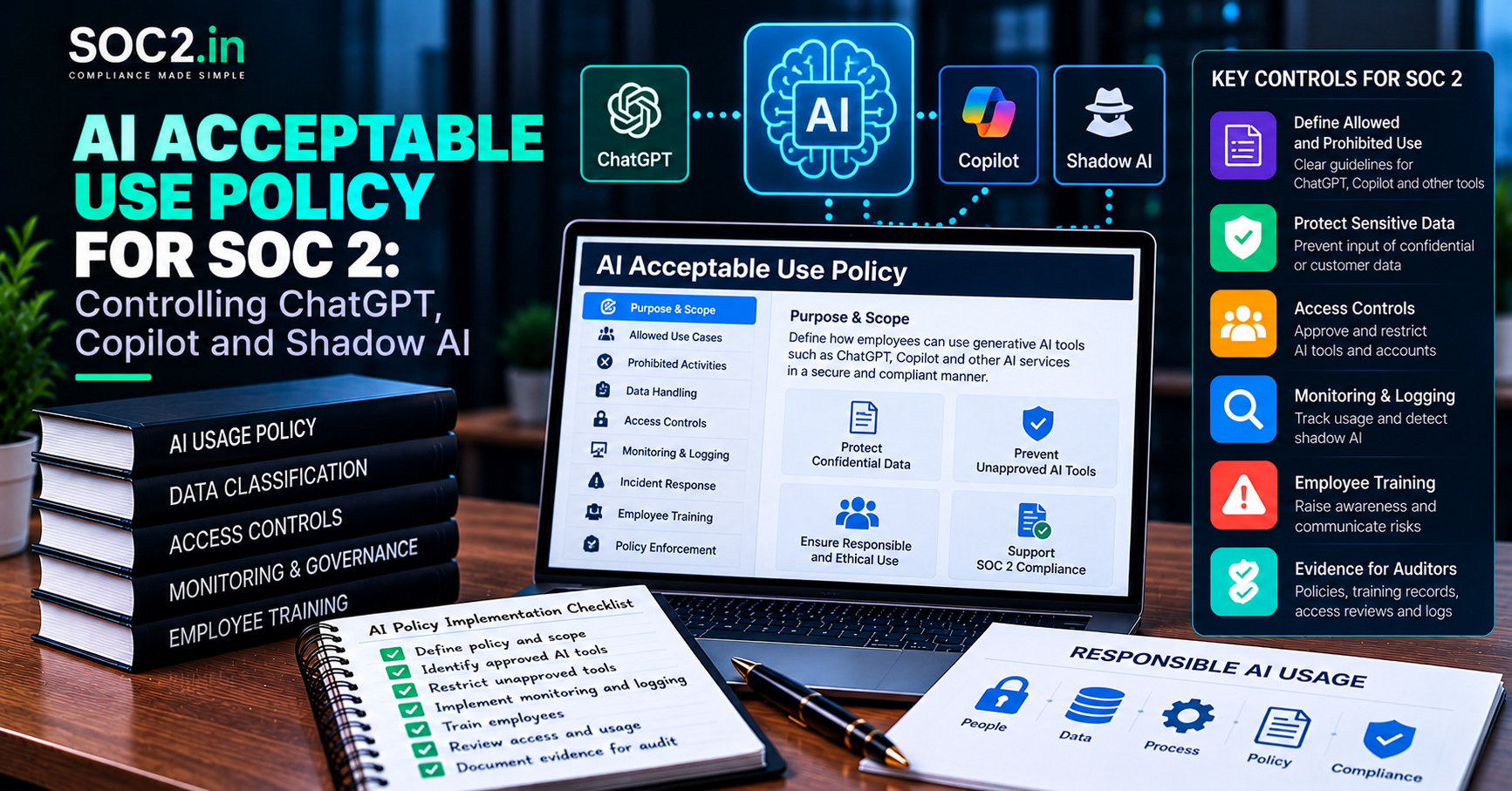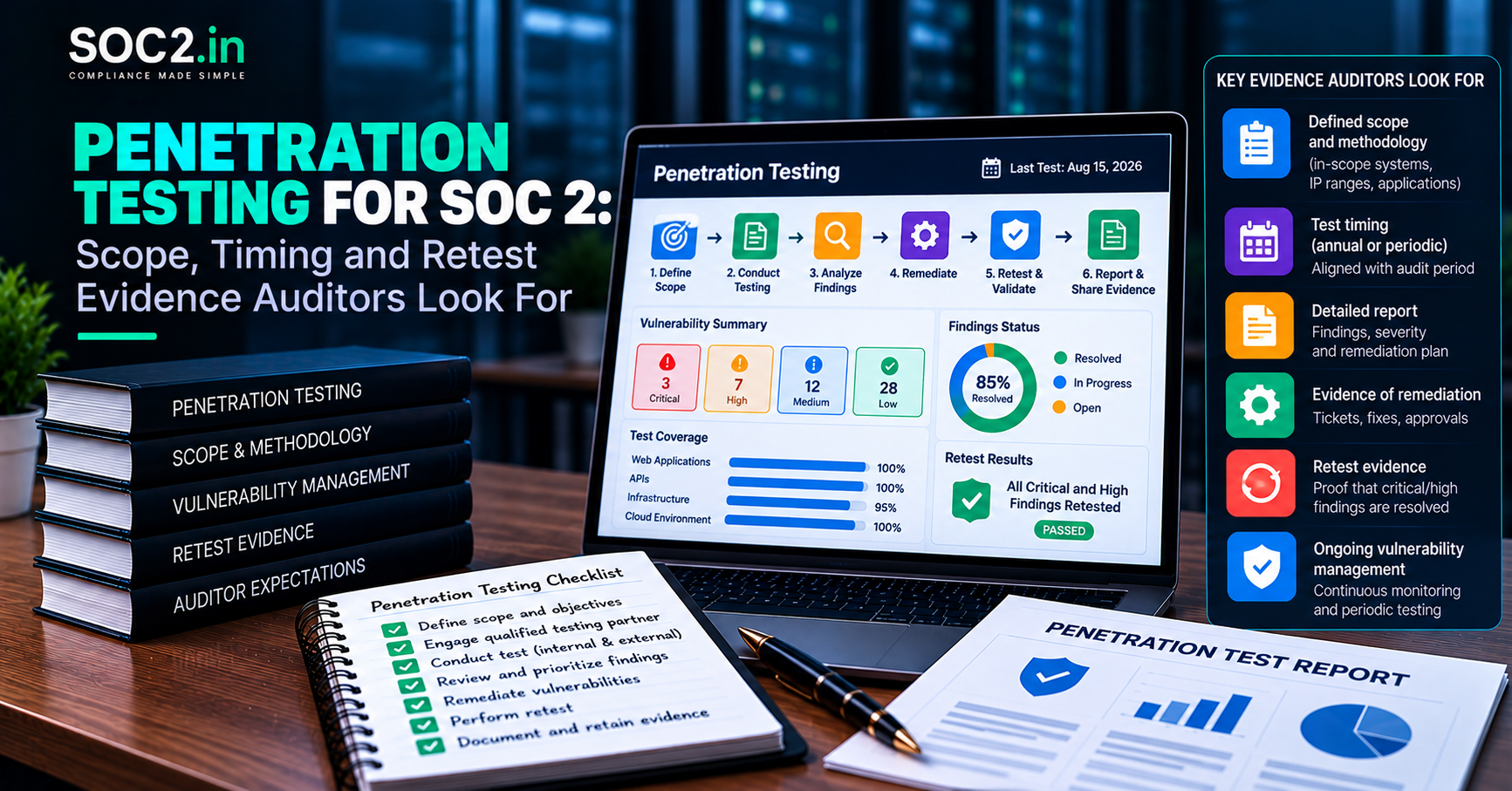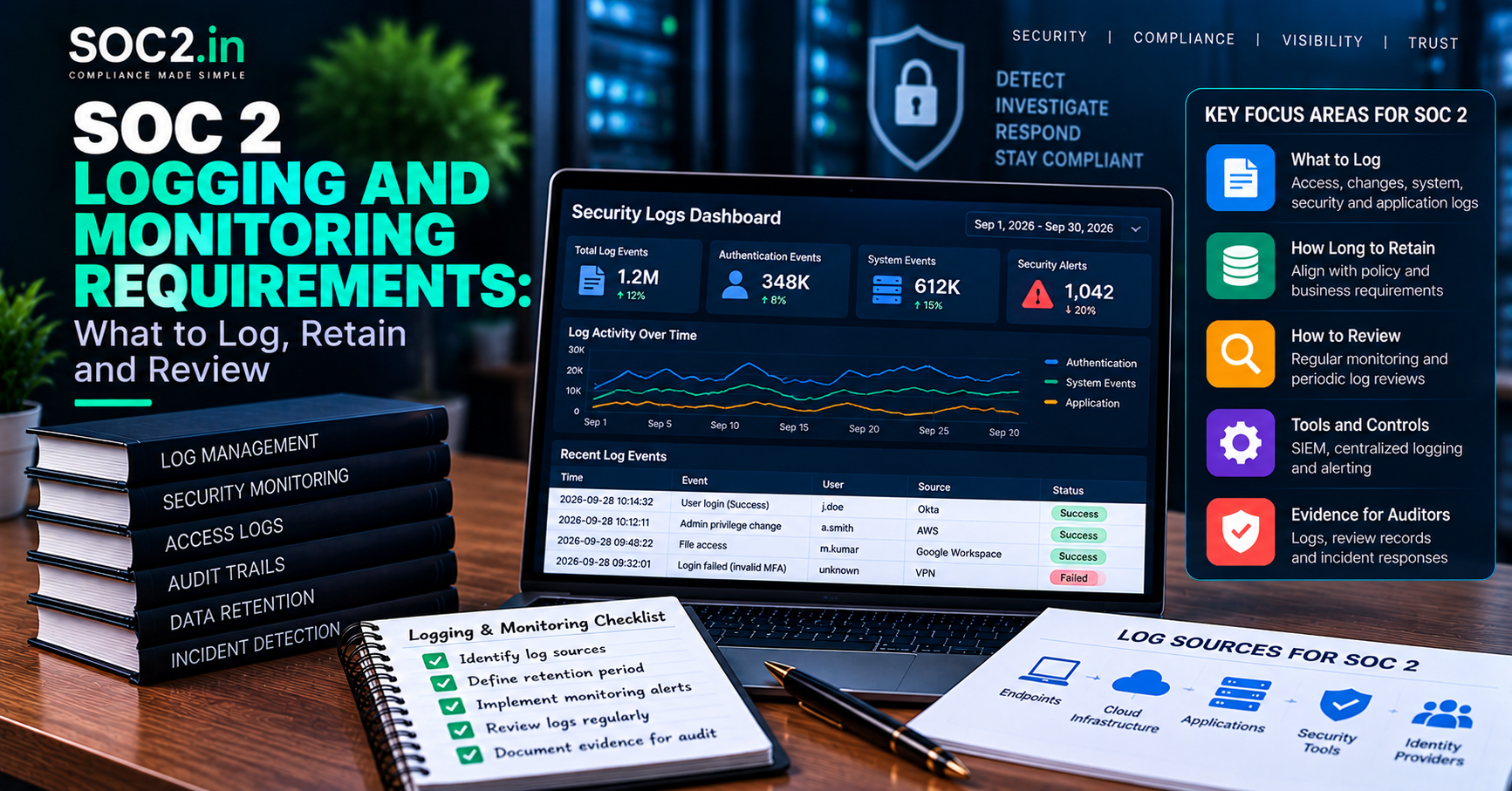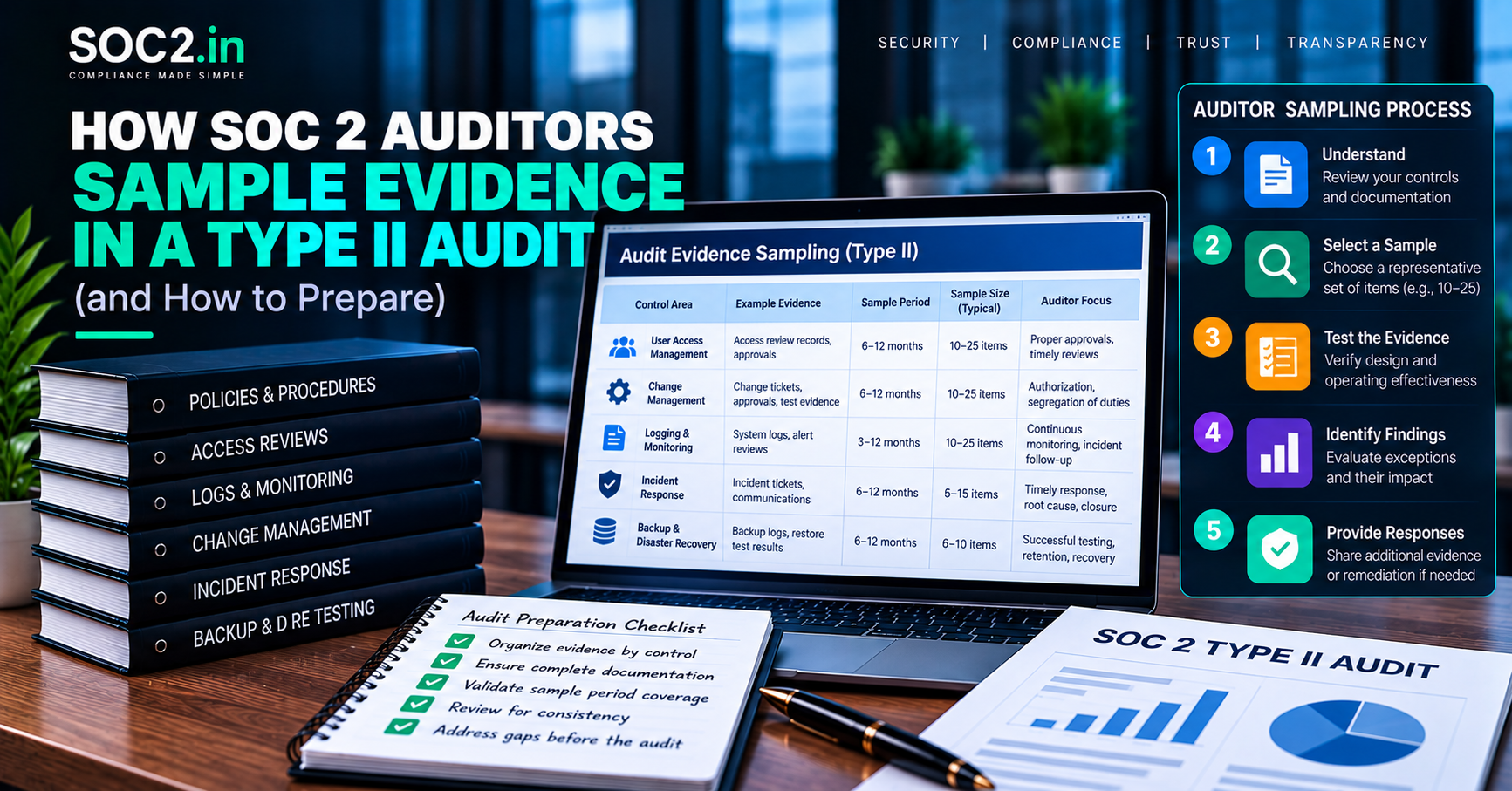
For many growing technology companies, closing a major enterprise deal often comes with an unexpected requirement. Just when negotiations seem complete, the client asks for SOC 2 attestation.
If your organization does not already have SOC 2 compliance in place, obtaining it quickly can be difficult. In some cases, companies lose valuable contracts simply because they cannot provide a valid SOC 2 report during vendor security reviews.
This is why many organizations now prepare for SOC 2 certification before they actually need it. Having a SOC 2 report ready demonstrates strong security practices and helps companies build trust with enterprise customers.
This guide explains what SOC 2 attestation is, why it matters, the different types of SOC reports, expected costs, and the steps required to obtain it.
What Is SOC 2 Attestation?
The framework was developed by the American Institute of Certified Public Accountants (AICPA) and focuses on how companies manage and secure data belonging to their customers.
SOC 2 evaluates an organization’s controls based on five core Trust Services Criteria:
- Security
- Availability
- Processing Integrity
- Confidentiality
- Privacy
To verify compliance, an independent auditor reviews an organization’s policies, procedures, and technical security controls.
These may include measures such as:
- Network firewalls
- Endpoint security tools
- Encryption protocols
- Access control systems
- Security monitoring processes
Once the audit is complete, the organization receives a SOC 2 report, which confirms whether its security controls meet the required standards.
Why SOC 2 Attestation Is Important
Unlike regulations such as GDPR or HIPAA, SOC 2 compliance is not legally mandatory. However, it has become a critical requirement for many companies, especially in North America.
Large enterprises often require vendors and software providers to submit SOC 2 reports during procurement or vendor risk assessment processes.
Without SOC 2 compliance, organizations may struggle to win enterprise contracts.
SOC 2 attestation helps businesses:
- Demonstrate strong security practices
- Build trust with clients and partners
- Pass vendor security reviews
- Protect sensitive data more effectively
- Improve internal security governance
In many cases, having SOC 2 certification can be the difference between securing a major contract and losing it to a competitor.
Types of SOC 2 Reports
Organizations seeking SOC 2 attestation can obtain different types of reports depending on their needs.
SOC 2 Type I
A SOC 2 Type I report evaluates the design of an organization’s security controls at a specific moment in time.
This means auditors review whether proper policies, procedures, and controls are implemented when the audit takes place.
However, Type I does not assess how effectively those controls operate over time.
In simple terms, Type I confirms that security controls exist.
SOC 2 Type II
A SOC 2 Type II report goes further by evaluating how well security controls perform over an extended period.
Typically, auditors observe security processes for six to twelve months before issuing a report.
This type of report confirms that controls are not only implemented but also consistently functioning as intended.
Because it demonstrates operational effectiveness, SOC 2 Type II is generally considered more valuable and credible than Type I.
How SOC 1 and SOC 3 Compare to SOC 2
While SOC 2 focuses on information security, other SOC frameworks serve different purposes.
SOC 1
SOC 1 reports evaluate an organization’s internal controls related to financial reporting.
These reports are primarily used by accounting teams and financial auditors to verify financial accuracy.
SOC 3
SOC 3 reports assess the same security controls covered in SOC 2 but are designed for public distribution.
Because SOC 3 reports are less technical, organizations often publish them on their websites to demonstrate transparency and commitment to security.
How Much Does a SOC 2 Report Cost?
SOC 2 attestation requires both preparation and an independent audit, making it a significant investment for many organizations.
The cost of obtaining a SOC 2 report can vary widely depending on several factors:
- Size of the organization
- Complexity of infrastructure
- Type of SOC 2 report (Type I or Type II)
- Amount of work required to achieve compliance
- Experience and pricing of the chosen auditor
In most cases, the total cost for SOC 2 certification ranges between $5,000 and $60,000.
Organizations that already have strong security controls in place may spend less on preparation, while companies starting from scratch may need additional time and resources.
How to Obtain SOC 2 Attestation
Achieving SOC 2 compliance involves several important steps.
1. Assess Your Current Security Posture
Before starting the audit process, organizations must evaluate their existing security policies and infrastructure.
This assessment helps identify areas where current practices align with SOC 2 requirements and where improvements are needed.
Many companies use automated compliance platforms to scan systems and generate a detailed readiness report.
2. Address Compliance Gaps
Once the assessment is complete, organizations must resolve any identified gaps.
This may involve implementing new security controls or updating internal policies.
Examples of improvements may include:
- Strengthening access control policies
- Implementing security monitoring systems
- Updating incident response procedures
- Enhancing employee security training programs
After these changes are implemented, another readiness check is often performed to confirm compliance.
3. Hire a Certified Third-Party Auditor
SOC 2 audits must be performed by an independent auditor certified by the AICPA.
The auditor is responsible for evaluating the organization’s security controls, reviewing documentation, and verifying compliance with SOC 2 requirements.
Selecting an experienced auditor can help streamline the certification process.
4. Complete the Audit Process
During the audit, the auditor will review detailed documentation and evaluate security procedures.
This process may involve:
- Reviewing system access logs
- Inspecting security policies
- Evaluating risk management processes
- Verifying technical security controls
- Conducting interviews with key personnel
In some cases, auditors may also visit the organization’s physical facilities.
Once the evaluation is complete, the auditor prepares the official SOC 2 report.
Final Thoughts
SOC 2 attestation has become a key requirement for organizations that manage customer data or provide cloud-based services.
Although it is not a legal mandate, many companies consider SOC 2 certification essential for building trust and securing enterprise partnerships.
Preparing for SOC 2 early helps organizations avoid missed business opportunities and demonstrates a strong commitment to information security.
By investing in proper controls, continuous monitoring, and regular audits, organizations can not only achieve SOC 2 compliance but also strengthen their overall cybersecurity posture.