Software-as-a-Service (SaaS) companies have revolutionized the way businesses and individuals access technology. With no downloads or installations required, customers can log in from anywhere and use cloud-hosted tools in seconds. But with this convenience comes responsibility — SaaS providers must safeguard sensitive customer data while proving their security practices to clients, investors, and regulators.
This is where SOC 2 compliance comes in. Created by the American Institute of Certified Public Accountants (AICPA), SOC 2 is a gold-standard framework for assessing whether organizations have strong internal controls around security, availability, confidentiality, processing integrity, and privacy.
In this step-by-step guide, we’ll explore why SOC 2 is essential for SaaS companies, how to achieve compliance, common challenges, and the best tools to streamline the process.
Why SOC 2 Compliance Matters for SaaS Companies
SaaS businesses handle everything from financial data to personally identifiable information (PII). A single breach can cause reputational damage, legal fines, and customer churn. SOC 2 compliance helps SaaS companies:
- Build trust with clients and investors
- Demonstrate a commitment to data security and privacy
- Detect and mitigate risks early
- Stand out in a competitive market where compliance is often a deal-breaker
While voluntary, SOC 2 has quickly become a baseline expectation for SaaS providers worldwide.
Step-by-Step Guide to SOC 2 Compliance
Step 1: Define Your Goals and Compliance Type
Decide whether you need SOC 2 Type I (controls evaluated at a point in time) or SOC 2 Type II (controls evaluated over a period, usually 6–12 months). Type II offers deeper credibility but takes longer.
Step 2: Conduct a Gap Analysis
Evaluate your current controls, identify weaknesses, and develop an action plan. Many SaaS companies run a readiness assessment or SWOT analysis at this stage.
Step 3: Implement Security Controls
Align your operations with SOC 2’s Trust Services Criteria, which may include:
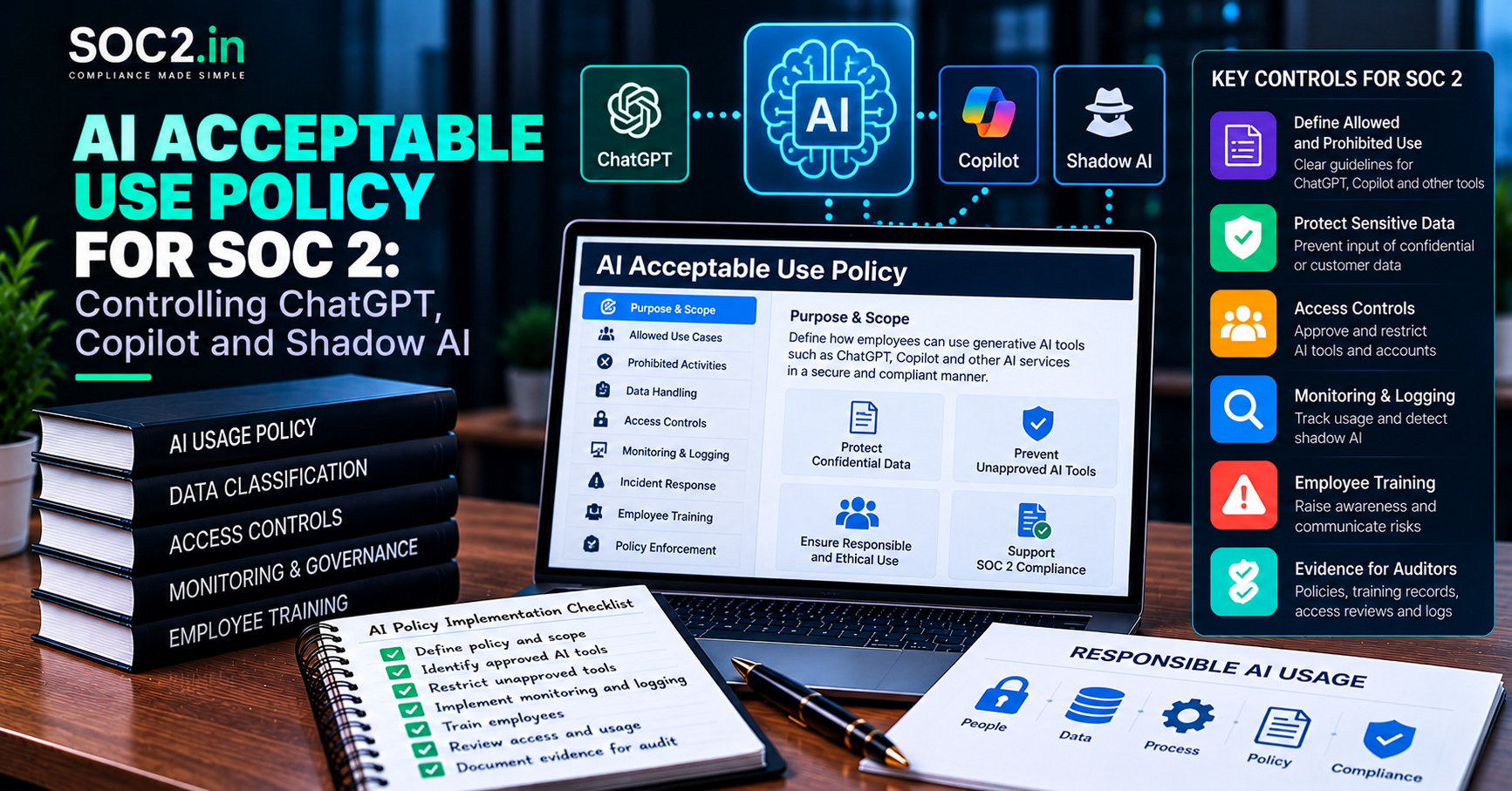
- Access controls and role-based permissions
- Encryption for data at rest and in transit
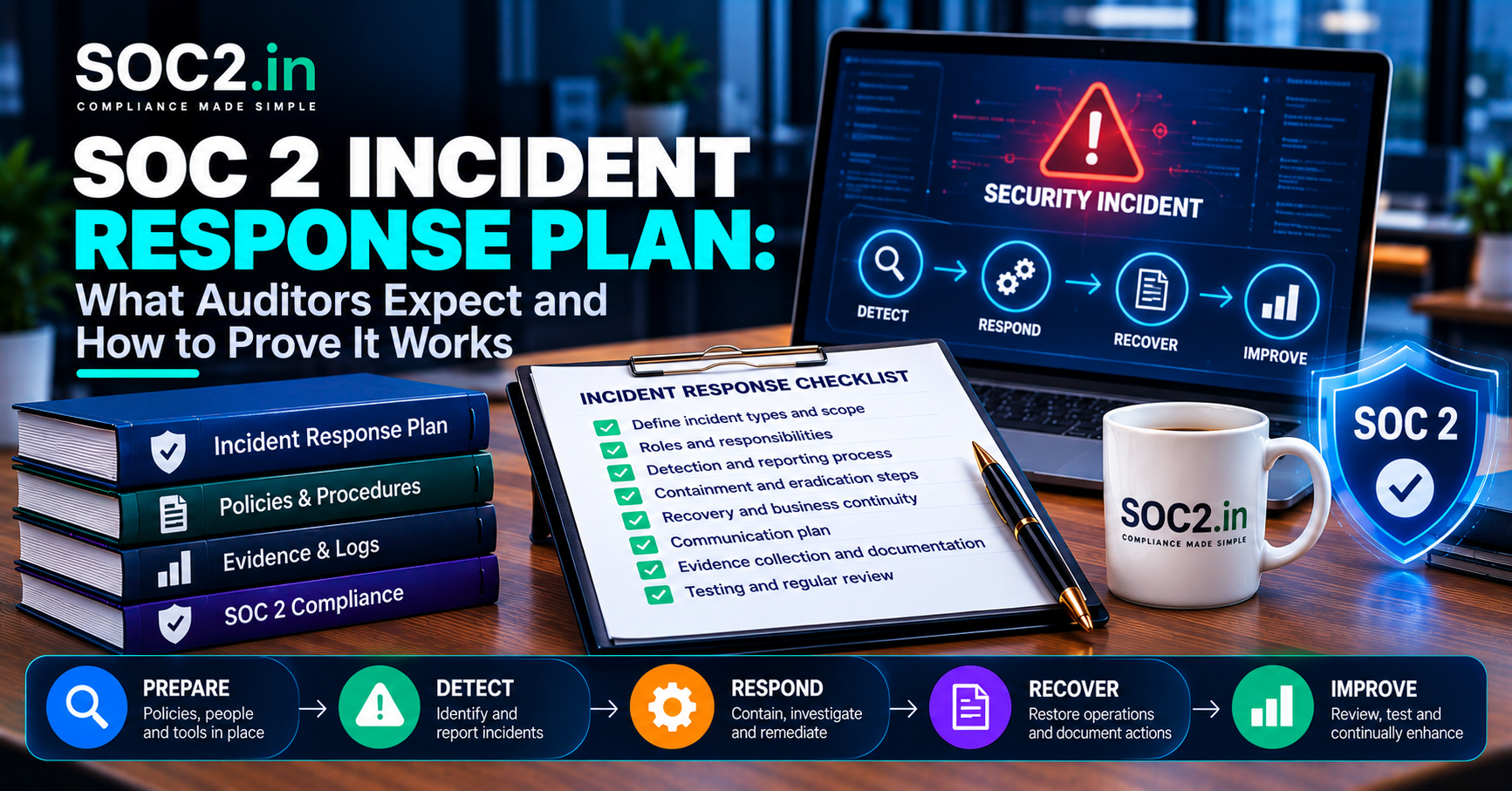
- Incident response and breach notification procedures
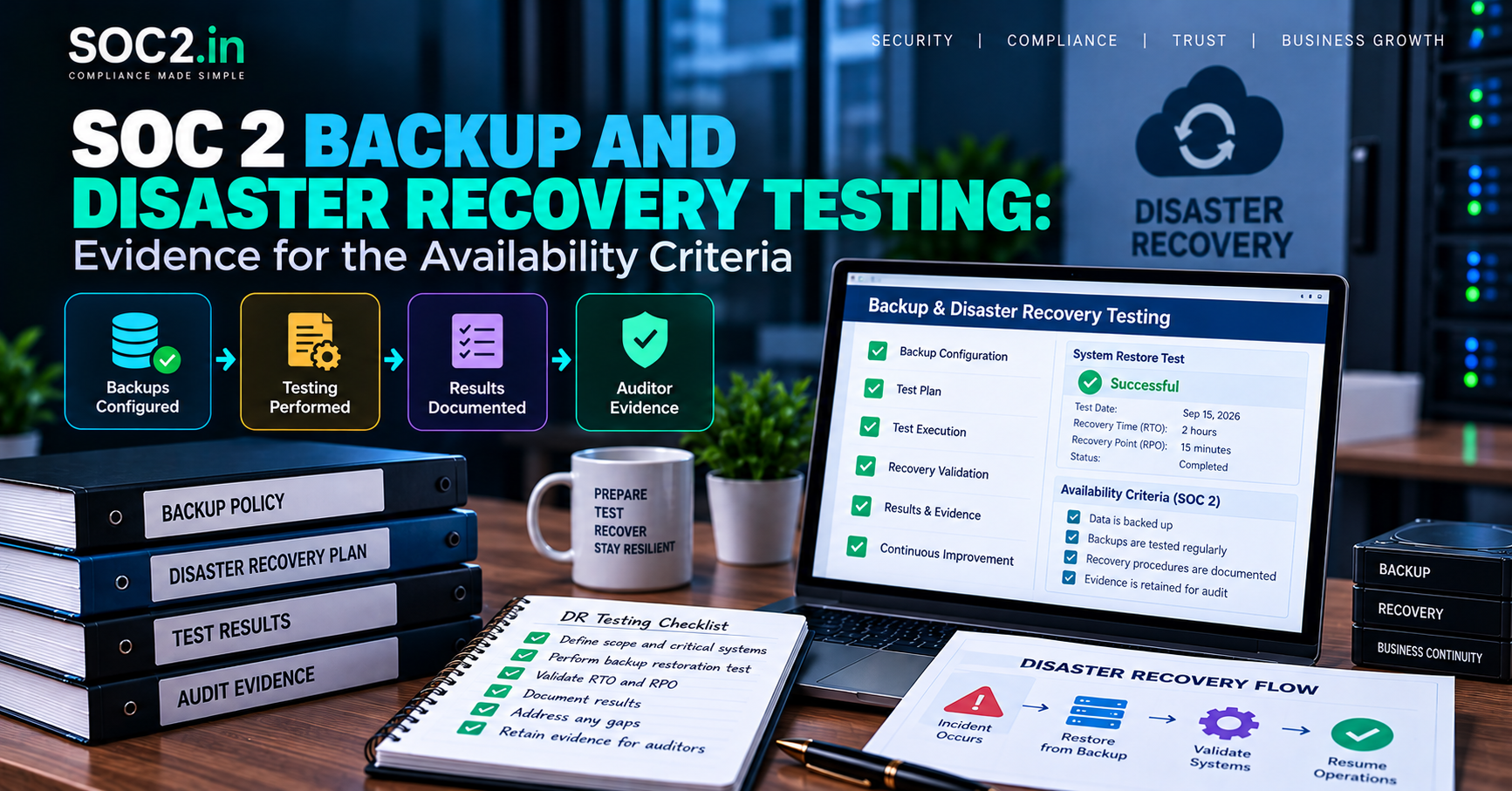
- Disaster recovery and business continuity plans
Step 4: Develop Policies and Procedures
Document everything — from employee onboarding to vendor management. Policies should be clear, accessible, and updated regularly.
Step 5: Continuous Monitoring
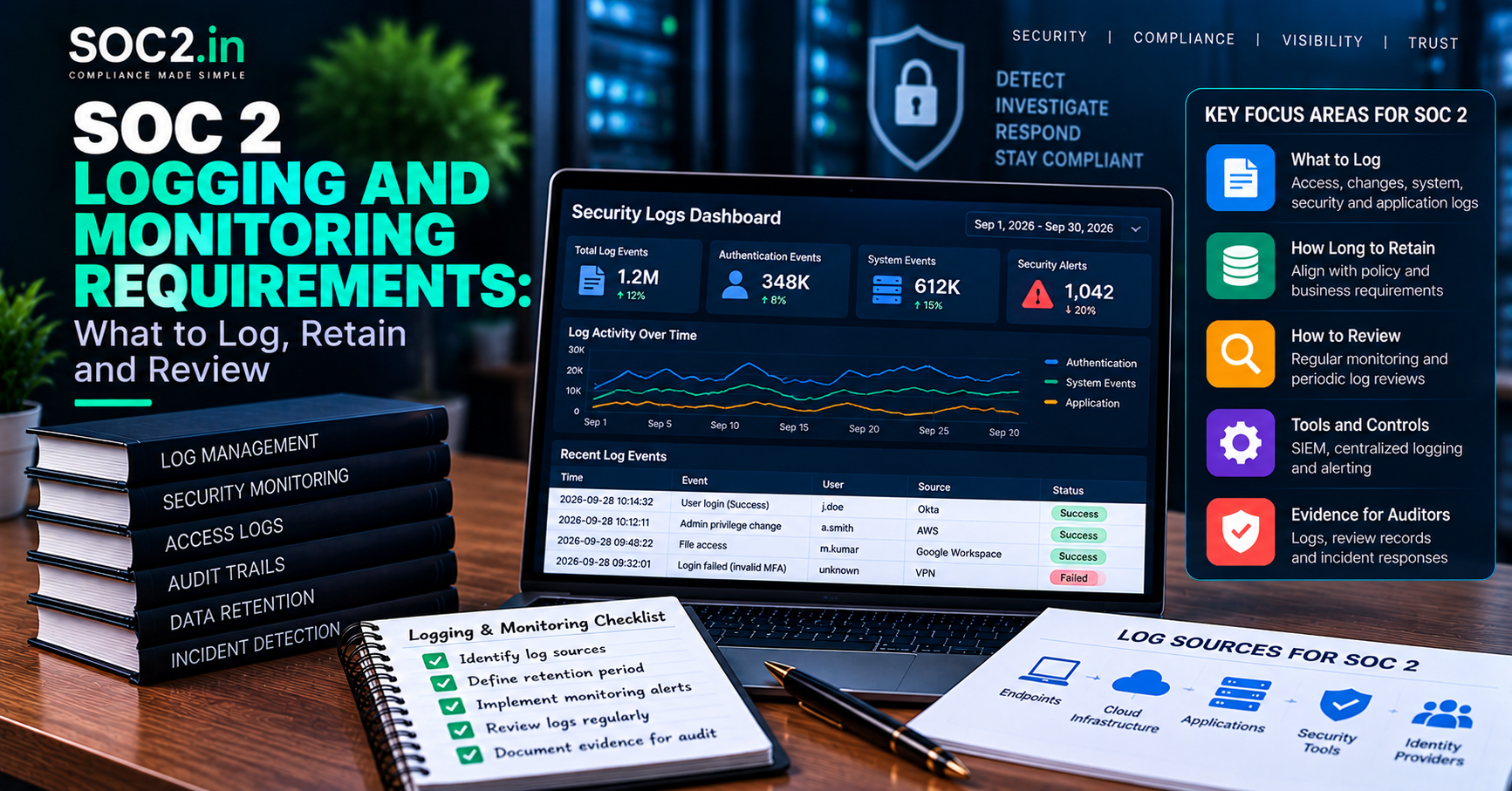
Use automated tools to track compliance, monitor security events, and flag issues in real time. Conduct periodic internal audits to stay prepared.
Step 6: External Audit
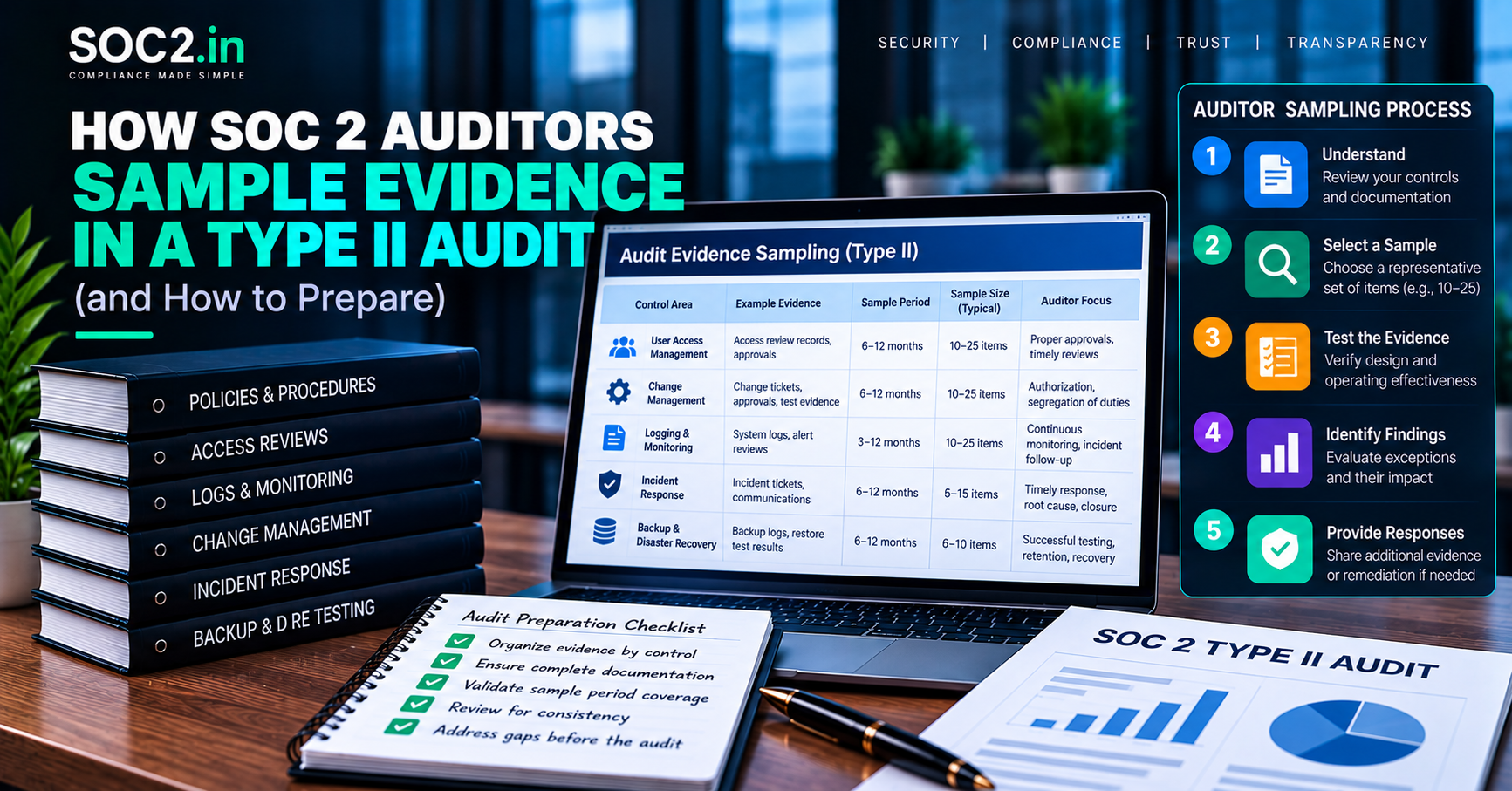
Work with a licensed CPA firm to review your controls. Be audit-ready by organizing evidence and ensuring processes are well-documented.
Step 7: Maintain Compliance
SOC 2 is not a one-time achievement. Continue testing, training, and refining controls to maintain trust year after year.
Common Challenges for SaaS Companies
Achieving SOC 2 compliance can be complex. Common challenges include:
- High costs of audits and GRC platforms
- Complexity in monitoring multiple controls
- Employee adherence to policies
- Long timelines for Type II certification
- Reliance on third-party vendors who must also comply
Best Practices to Overcome Challenges
- Plan early to avoid last-minute gaps
- Automate evidence collection with compliance platforms
- Foster a security-first culture through training
- Review policies regularly to align with evolving threats
- Evaluate vendor compliance before integration
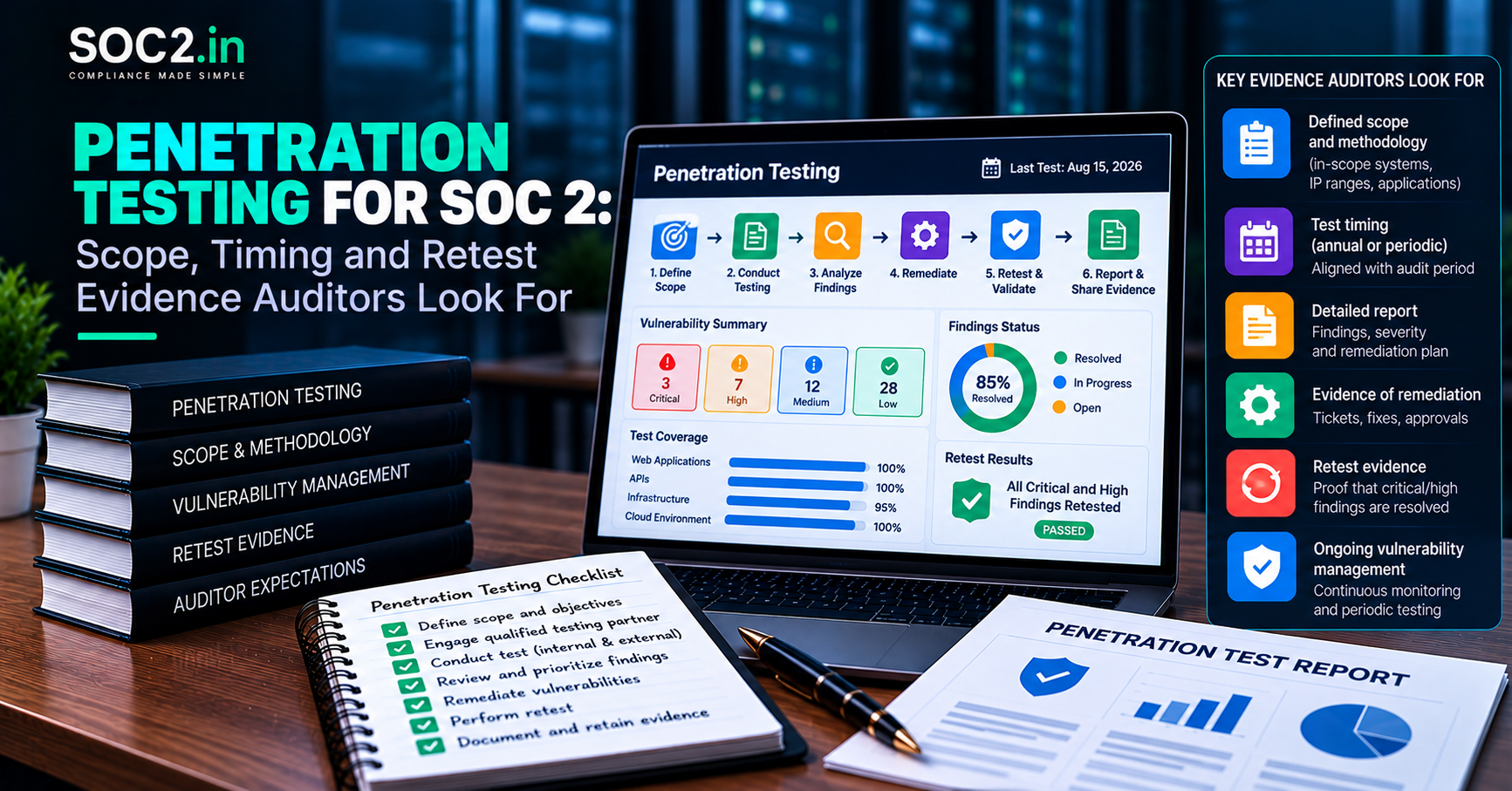
- Test continuously via penetration testing and vulnerability scans
Top 5 Tools for SOC 2 Automation
1. Vanta
Automates policy templates, evidence collection, and security monitoring.
2. Drata
Offers continuous compliance, integrations with 75+ tools, and real-time audit readiness.
3. Secureframe
Simplifies SOC 2 in as little as weeks with pre-built frameworks and vendor risk management.
4. OneTrust
Ideal for SaaS companies managing both SOC 2 and privacy regulations like GDPR.
5. Thoropass
Blends automation with human auditor expertise, guiding startups through compliance with ease.
Final Thoughts
For SaaS companies, SOC 2 compliance is no longer optional — it’s a business necessity. While the process can be complex and resource-intensive, the benefits far outweigh the challenges. By following a step-by-step approach, using automation tools, and fostering a culture of security, SaaS businesses can achieve compliance faster and more effectively.
In an increasingly trust-driven digital economy, SOC 2 is more than just a certificate — it’s a competitive advantage that strengthens customer loyalty, reduces risk, and drives growth.