For startups handling customer data, security and trust are no longer optional—they are essential for growth. Customers, investors, and enterprise clients expect startups to demonstrate strong security practices before doing business. This is where SOC 2 compliance becomes a critical requirement.
System and Organization Controls 2 (SOC 2) is one of the most trusted cybersecurity frameworks designed to help organizations protect sensitive information. For startups, implementing SOC 2 early helps establish secure processes, build credibility, and unlock new business opportunities.
This guide explains everything startups need to know about SOC 2 compliance, including its purpose, benefits, trust service criteria, and a step-by-step process to achieve compliance successfully.
What is SOC 2?
SOC 2 is a widely recognized cybersecurity framework designed for organizations that store, process, or manage customer data. It ensures companies implement strong controls to protect sensitive information and maintain data security, privacy, and operational reliability.
SOC 2 compliance requires an independent auditor to evaluate your organization’s security controls and confirm they meet industry standards.
The main objective of SOC 2 is to ensure:
• Customer data is protected from unauthorized access
• Systems remain secure and reliable
• Sensitive information is handled responsibly
• Security processes operate effectively
SOC 2 is especially important for SaaS companies, cloud providers, and technology startups.
Types of SOC 2 Reports
There are two types of SOC 2 audit reports that startups can obtain.
SOC 2 Type 1
This report evaluates whether your organization has properly designed and implemented security controls at a specific point in time.
Best for:
• Early-stage startups
• Demonstrating initial compliance readiness
• Building customer trust quickly
SOC 2 Type 2
This report evaluates how effectively your security controls operate over time, typically between 3 to 12 months.
Best for:
• Growing startups
• Enterprise client requirements
• Demonstrating long-term security effectiveness
Type 2 provides stronger credibility because it validates ongoing security performance.
Why SOC 2 Compliance is Important for Startups
SOC 2 compliance provides startups with significant business and security advantages.
1. Increased Customer Trust
SOC 2 demonstrates that your startup follows industry-standard security practices, increasing customer confidence.
2. Faster Sales and Deal Closures
Enterprise clients often require SOC 2 compliance before signing contracts. Compliance helps reduce security concerns during the sales process.
3. Stronger Protection Against Cyber Threats
SOC 2 helps startups implement structured security controls to defend against evolving cyber threats.
4. Competitive Advantage
SOC 2 compliance helps startups stand out from competitors that lack certified security practices.
5. Improved Operational Stability
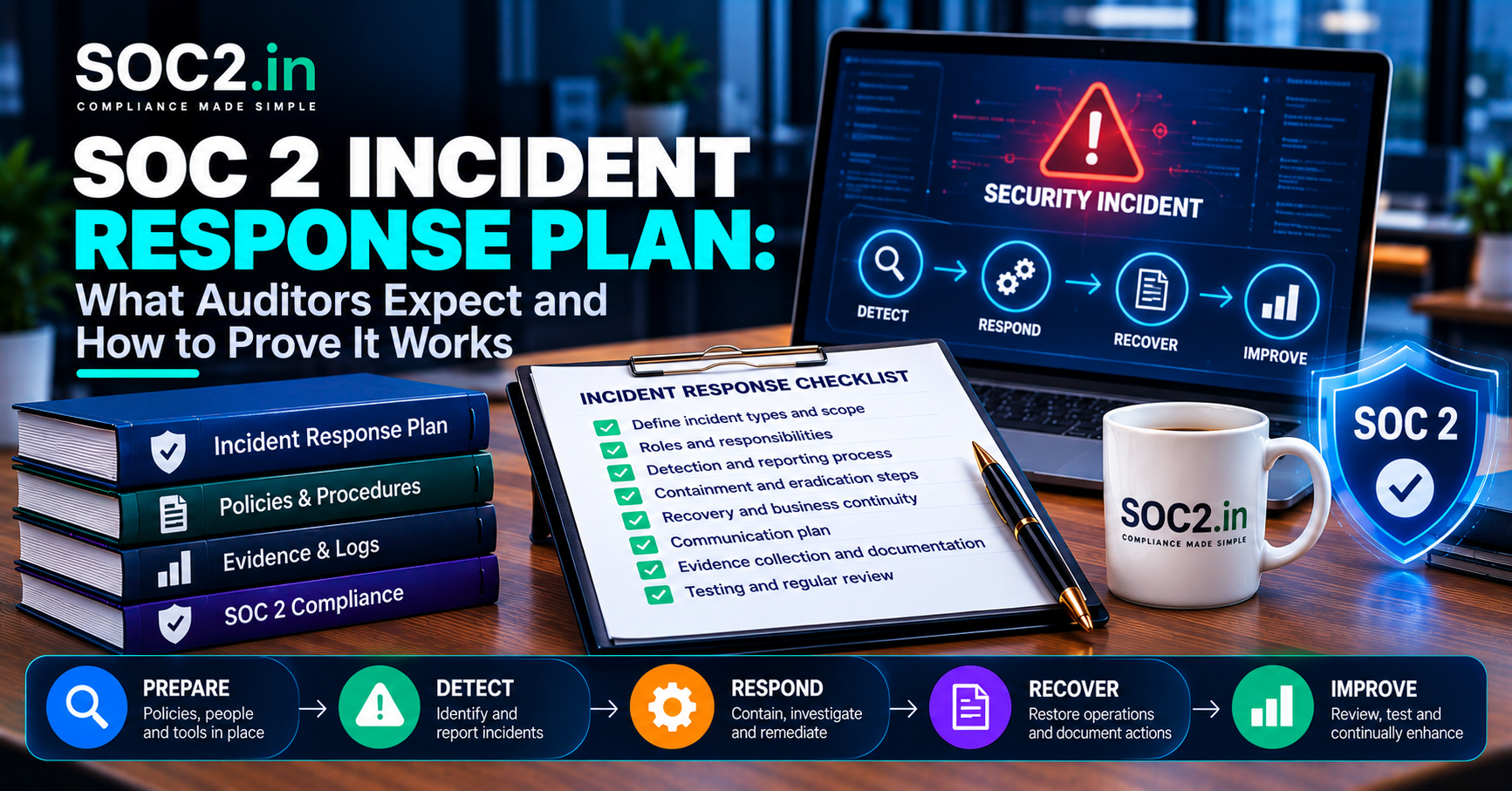
SOC 2 improves incident management, helping organizations detect, respond, and recover from security incidents faster.
6. Better Investor Confidence
Investors prefer startups with strong security foundations, making SOC 2 compliance valuable for fundraising.
SOC 2 Trust Service Criteria Explained
SOC 2 is based on five Trust Service Criteria (TSC), which define how organizations protect customer data.
1. Security
This is the most important and mandatory criterion. It ensures systems are protected against unauthorized access and security threats.
2. Availability
Ensures systems remain operational and accessible when needed.
3. Processing Integrity
Ensures data processing is accurate, complete, and reliable.
4. Confidentiality
Ensures sensitive information is protected and only accessed by authorized users.
5. Privacy
Ensures personal data is handled responsibly and in compliance with privacy regulations.
While security is mandatory, other criteria are implemented based on your business requirements.
Step-by-Step SOC 2 Compliance Process for Startups
Achieving SOC 2 compliance requires a structured and organized approach. Below are the five essential steps.
Step 1: Understand SOC 2 Requirements
Start by reviewing SOC 2 Trust Service Criteria and understanding which controls apply to your organization.
This includes:
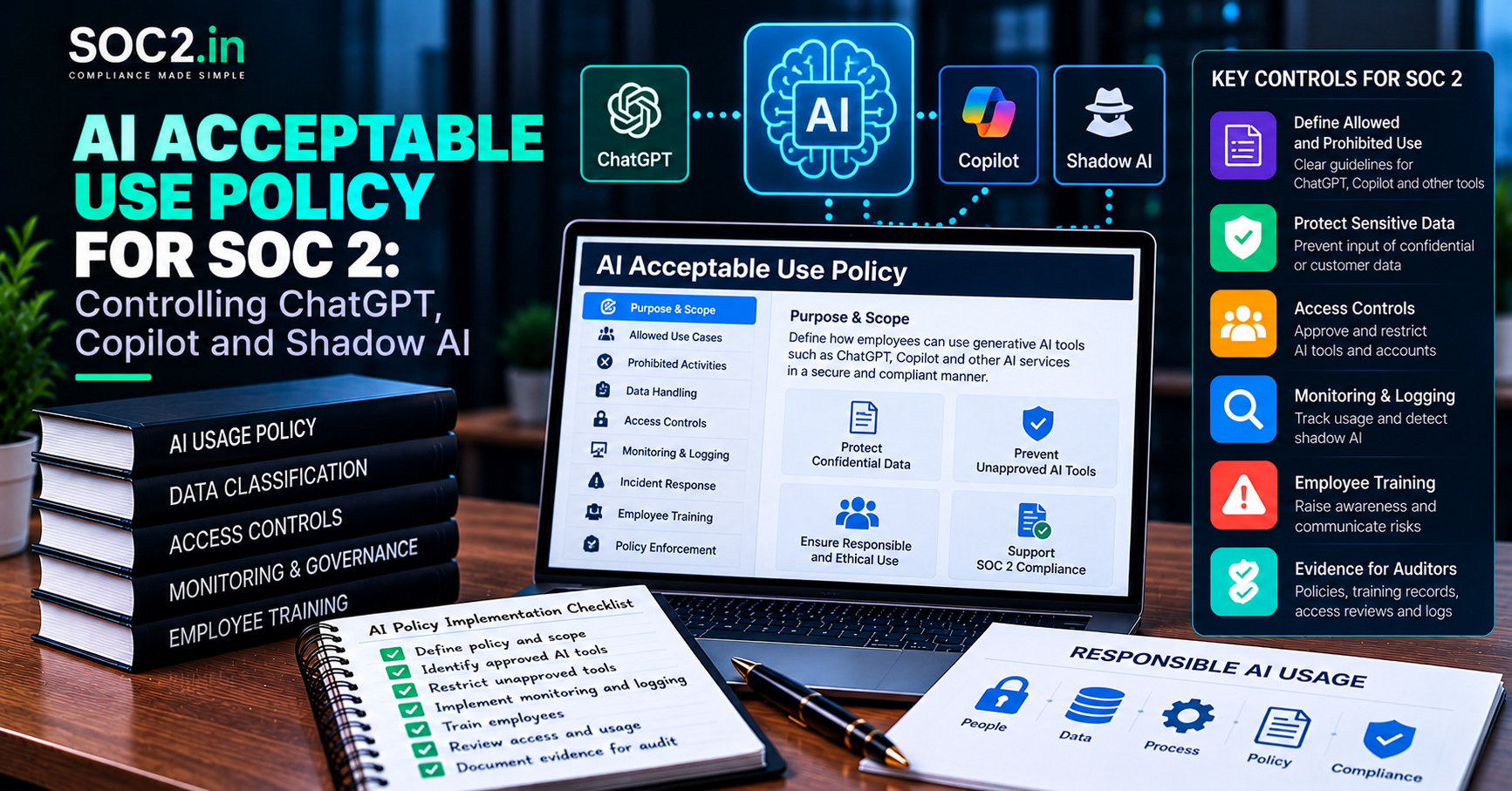
• Access control policies
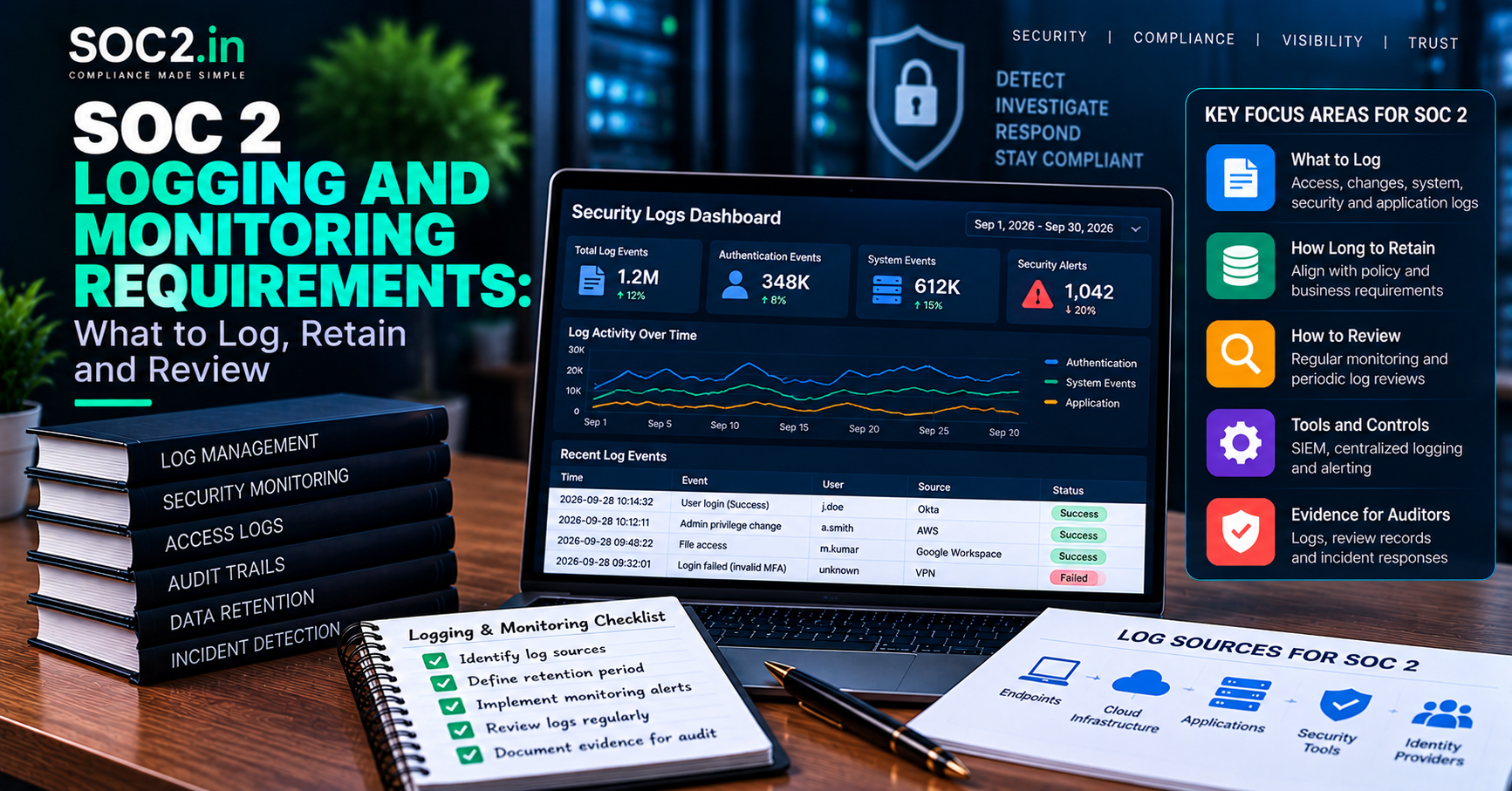
• Security monitoring
• Data protection controls
• Risk management practices
This step creates a foundation for compliance.
Step 2: Conduct a Gap Analysis
Gap analysis helps identify differences between your current security practices and SOC 2 requirements.
This involves reviewing:
• Security policies
• Access management
• Infrastructure security
• Risk management procedures
This step helps determine what improvements are needed.
Step 3: Create a Remediation Plan
Once gaps are identified, develop a plan to address them.
Best practices include:
• Fix critical security issues first
• Implement missing controls
• Update security policies
• Improve access management
Start with smaller improvements and gradually address complex issues.
Step 4: Collect Compliance Evidence
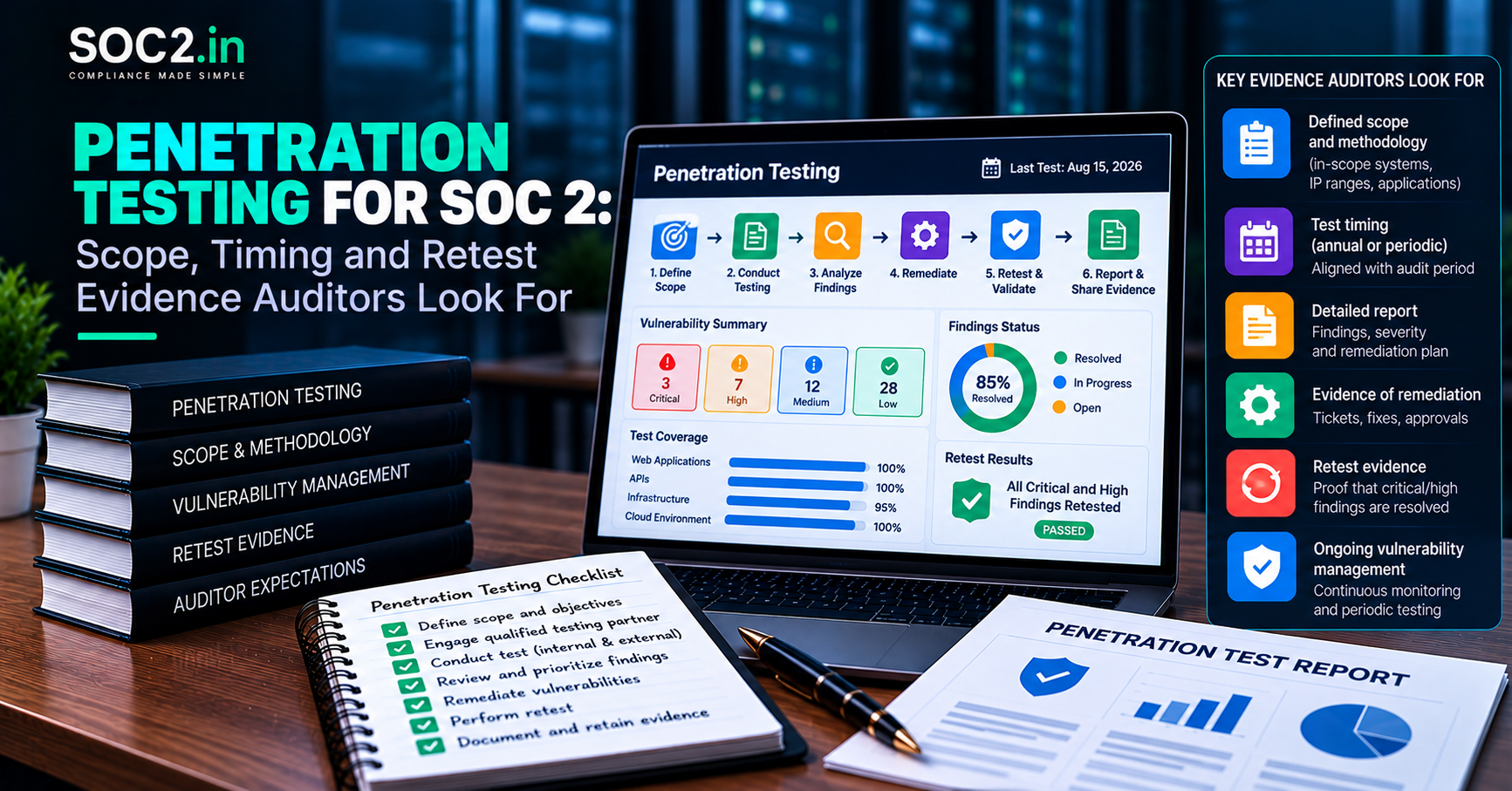
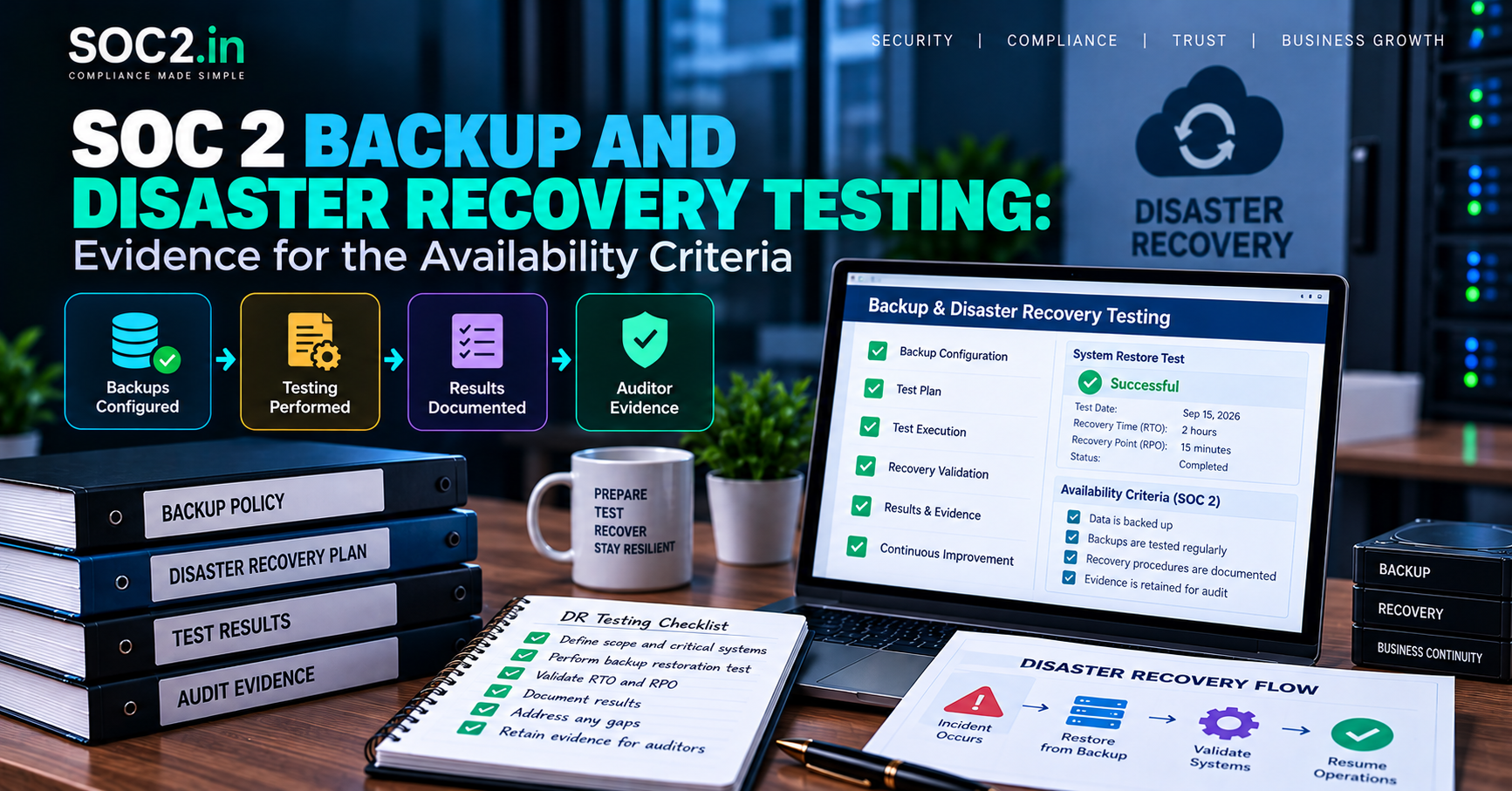
SOC 2 auditors require documented evidence to verify compliance.
Common evidence includes:
• Security policies
• Access control logs
• Backup records
• Vendor agreements
• Incident response documentation
Organized documentation simplifies the audit process.
Step 5: Schedule and Complete SOC 2 Audit
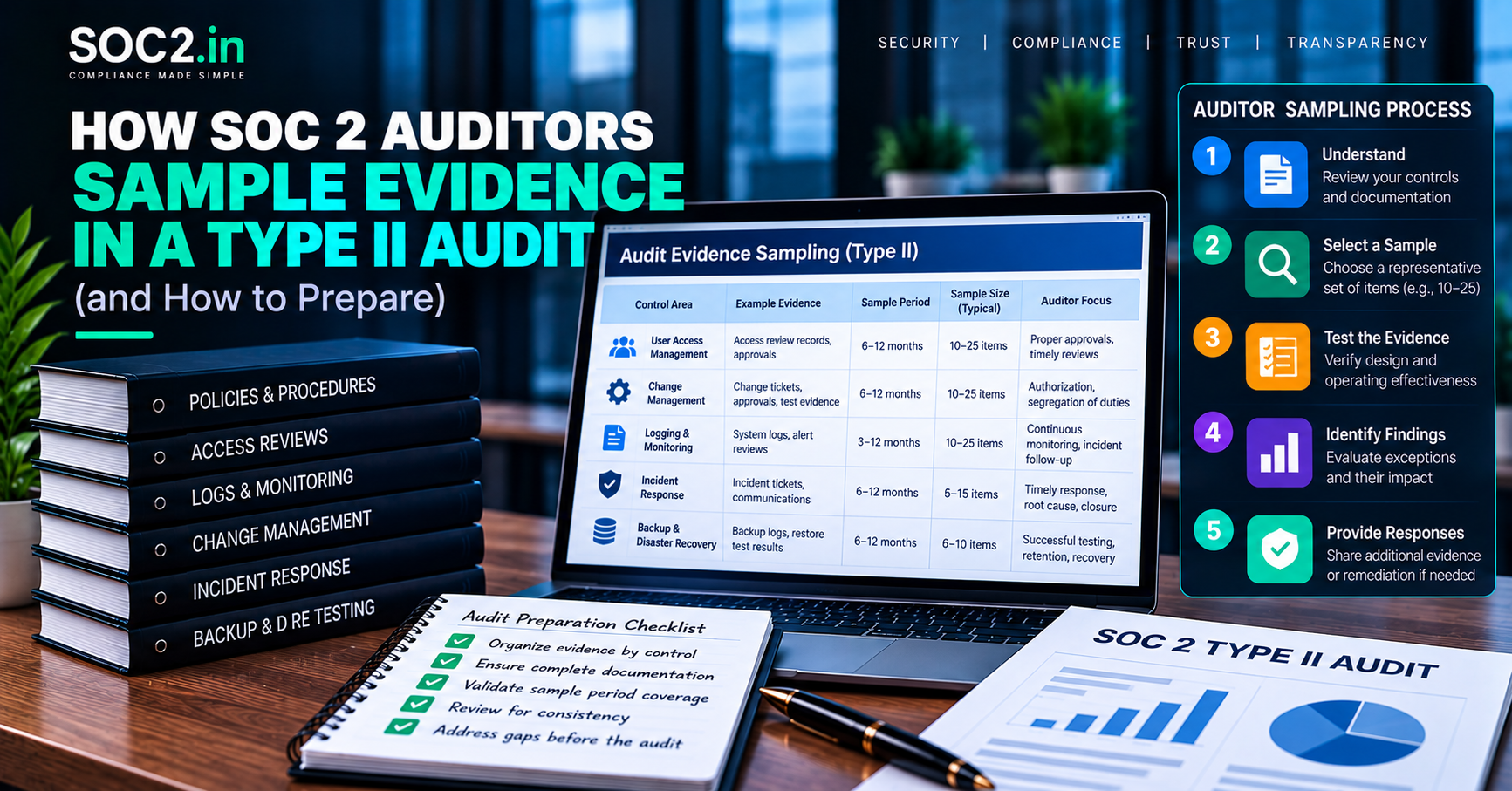
The final step is to work with a certified SOC 2 auditor who evaluates your security controls.
The auditor will:
• Review security processes
• Evaluate control effectiveness
• Validate compliance
Once approved, your startup receives the SOC 2 report.
Best Practices to Achieve SOC 2 Compliance Faster
Startups can simplify SOC 2 compliance by following these best practices.
Implement Security Early
Integrate security controls during early development stages.
Automate Compliance Processes
Automation tools reduce manual work and improve efficiency.
Maintain Proper Documentation
Keep detailed records of security processes and policies.
Monitor Security Continuously
Regular monitoring ensures ongoing compliance.
Train Your Team
Ensure employees understand security policies and procedures.
How Compliance Automation Platforms Help Startups
Compliance automation platforms simplify SOC 2 compliance by reducing manual work and improving efficiency.
Key benefits include:
• Automated evidence collection
• Continuous security monitoring
• Integrated compliance management
• Simplified audit preparation
These tools help startups achieve compliance faster and more efficiently.
Conclusion
SOC 2 compliance is a critical milestone for startups aiming to build secure, scalable, and trustworthy businesses. It helps protect customer data, improve security posture, and unlock enterprise growth opportunities.
By following a structured compliance process and implementing strong security controls, startups can achieve SOC 2 compliance successfully and position themselves as trusted service providers.
SOC 2 compliance is not just a certification—it is a strategic investment in your startup’s security, credibility, and long-term success.