By 2026, SOC 2 compliance is no longer just a security benchmark. It has become a real-time trust signal.
Artificial Intelligence is now deeply embedded in enterprise workflows. From customer onboarding to fraud detection and predictive analytics, AI systems are processing sensitive data at scale. As a result, the expectations around the SOC 2 framework have expanded significantly.
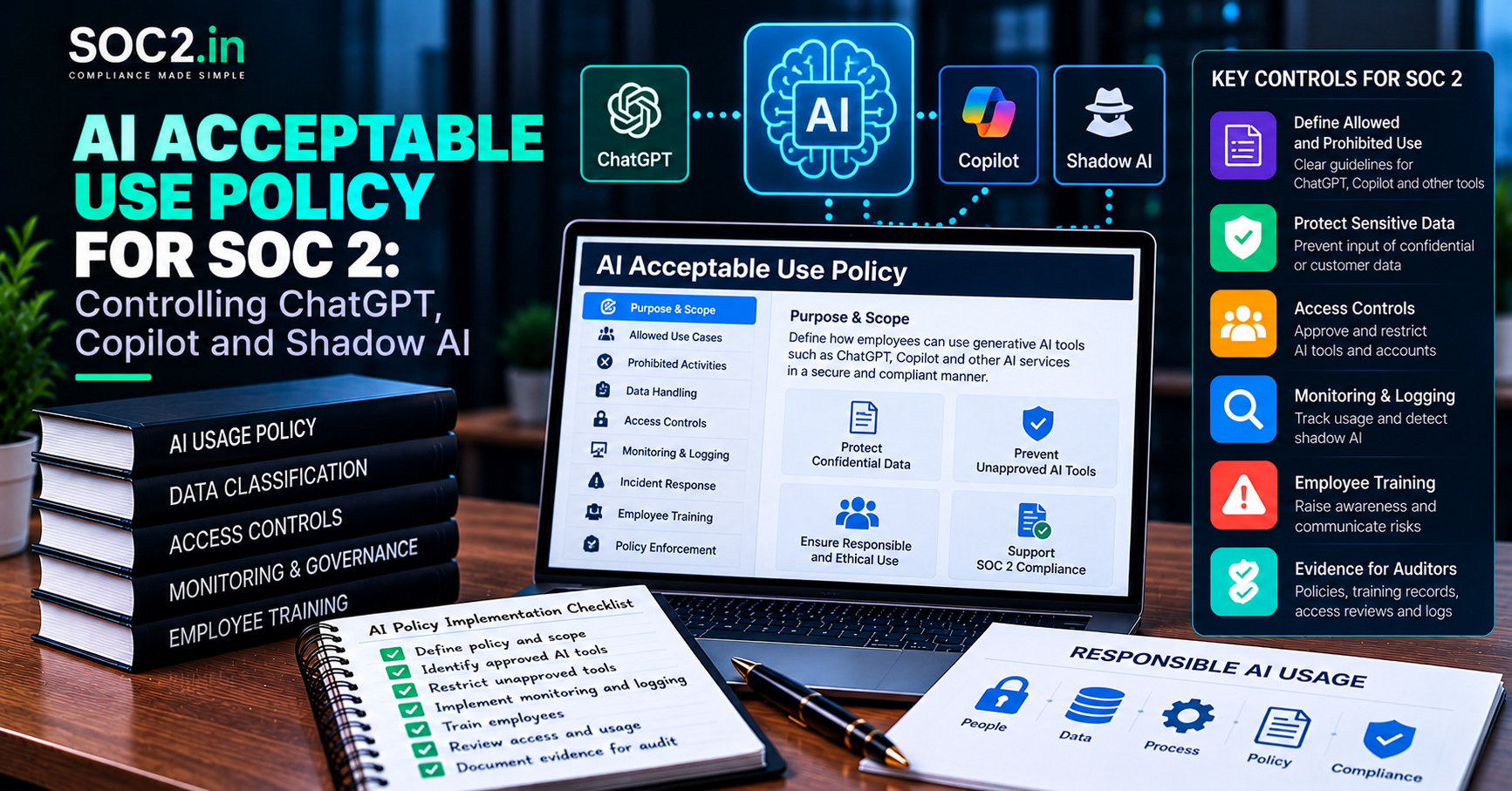
In 2026, organizations are not just proving that systems are secure. They are proving that AI systems are governed, explainable, monitored continuously, and operating with integrity.
Here is how SOC 2 compliance looks in 2026 and what organizations must do to stay ahead.
1. AI Governance Is a Core Audit Focus
By 2026, AI governance is fully embedded within the SOC 2 Trust Services Criteria. The American Institute of Certified Public Accountants has reinforced expectations around AI risk management, model transparency, and operational monitoring.
Auditors now evaluate:
- How AI models are trained and validated
- Data lineage and integrity controls
- Bias detection and mitigation processes
- Model version tracking
- Explainability in automated decision systems
Processing Integrity has expanded. It now includes validating that AI outputs are complete, accurate, authorized, and consistent over time.
For companies offering AI-enabled services, weak AI governance is one of the most common audit red flags in 2026.
2. Continuous Compliance Is the Standard
The traditional “look-back” audit model has largely disappeared. In 2026, continuous compliance monitoring is the expectation.
Why? Because modern environments change too quickly.
Cloud configurations shift daily. AI models update frequently. Access privileges evolve constantly. A quarterly review is no longer enough.
Modern SOC 2 compliance software now:
- Continuously monitors cloud and SaaS configurations
- Tracks identity and access management in real time
- Detects control drift instantly
- Generates time-stamped evidence automatically
Organizations are expected to be audit-ready at all times, not just during audit season.
3. AI-Powered Compliance Automation
In 2026, AI is not just being audited. It is also being used to run compliance programs.
Advanced compliance platforms now use AI to:
Automate Evidence Collection
Evidence is pulled directly from integrated systems, hashed, and stored automatically. Manual screenshots and spreadsheets are becoming obsolete.
Cross-Map Multiple Frameworks
Organizations often manage multiple standards at once, including ISO/IEC 27001, HIPAA, GDPR, and SOC 2.
AI systems now map controls across frameworks automatically, reducing duplication and saving time.
Predict Compliance Drift
Predictive models analyze configuration history and user behavior to identify potential control failures before they occur.
By 2026, leading organizations have reduced manual compliance workload dramatically by adopting AI-driven internal audit automation.
4. Zero Trust Is No Longer Optional
In 2026, Zero Trust principles are deeply embedded in SOC 2 audits.
Auditors scrutinize:
- Multi-Factor Authentication enforcement
- Least-privilege access models
- Continuous access reviews
- Administrative activity logging
- Network segmentation
Perimeter-based security is considered outdated. Organizations must demonstrate that access decisions are continuously verified and logged.
Governance, risk, and compliance platforms are expected to provide real-time visibility and tamper-proof audit trails that prove these controls operated throughout the entire audit period.
5. Encryption and Post-Quantum Readiness
Encryption requirements have tightened further in 2026. With growing concerns around quantum computing threats, stronger encryption standards are becoming standard expectations under the Security and Confidentiality criteria.
Auditors are reviewing:
- Encryption protocols for data in transit
- Encryption for data at rest
- Key lifecycle management
- Access to encryption keys
- Automated encryption monitoring
Compliance platforms must now track and report encryption posture continuously.
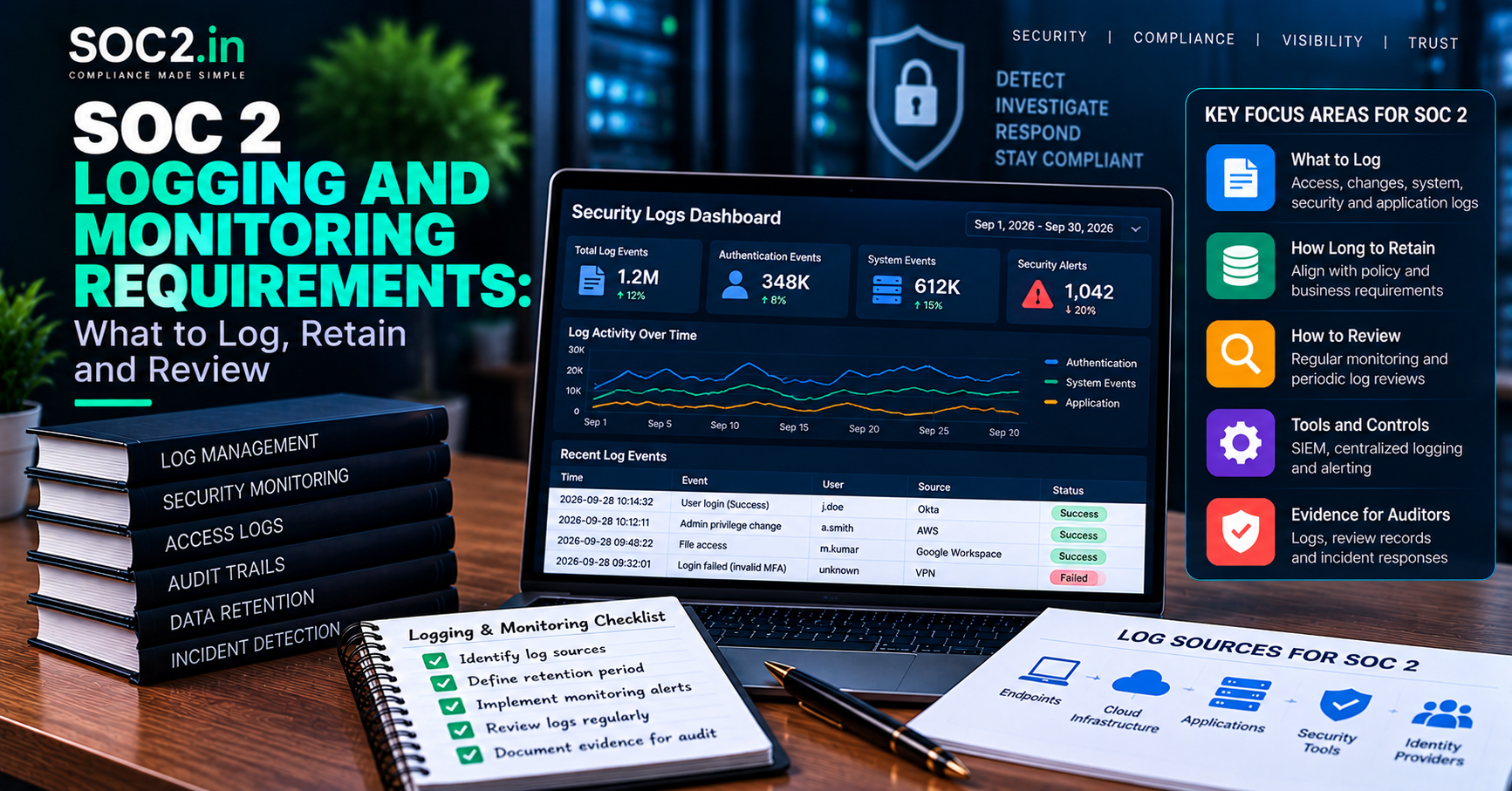
6. AI Logging and Monitoring Requirements
One of the most important changes in 2026 is the emphasis on AI-specific logging.
Organizations must maintain:
- Detailed AI activity logs
- Input and output traceability
- Model performance tracking
- Anomaly detection alerts
- Real-time monitoring dashboards
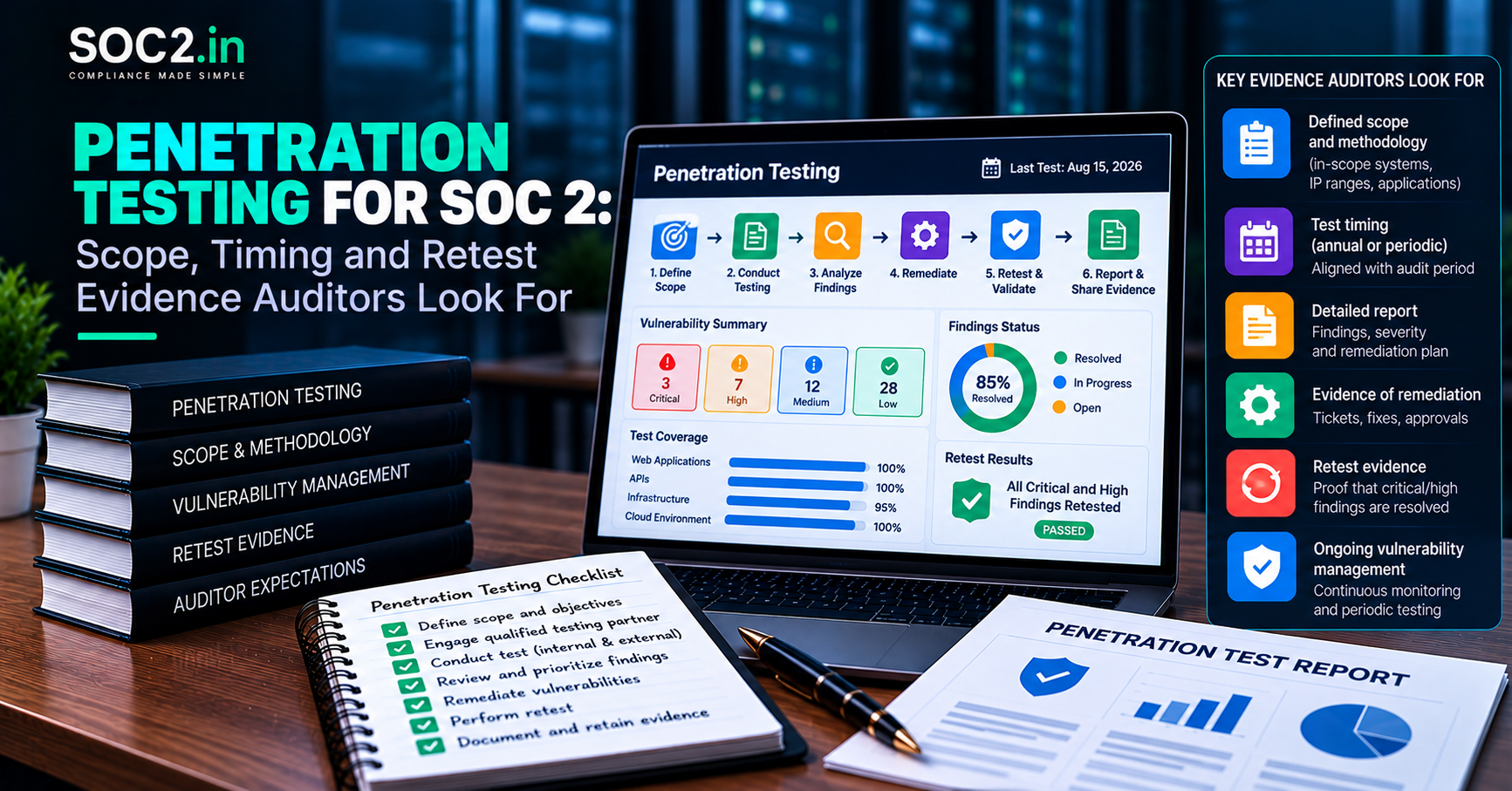
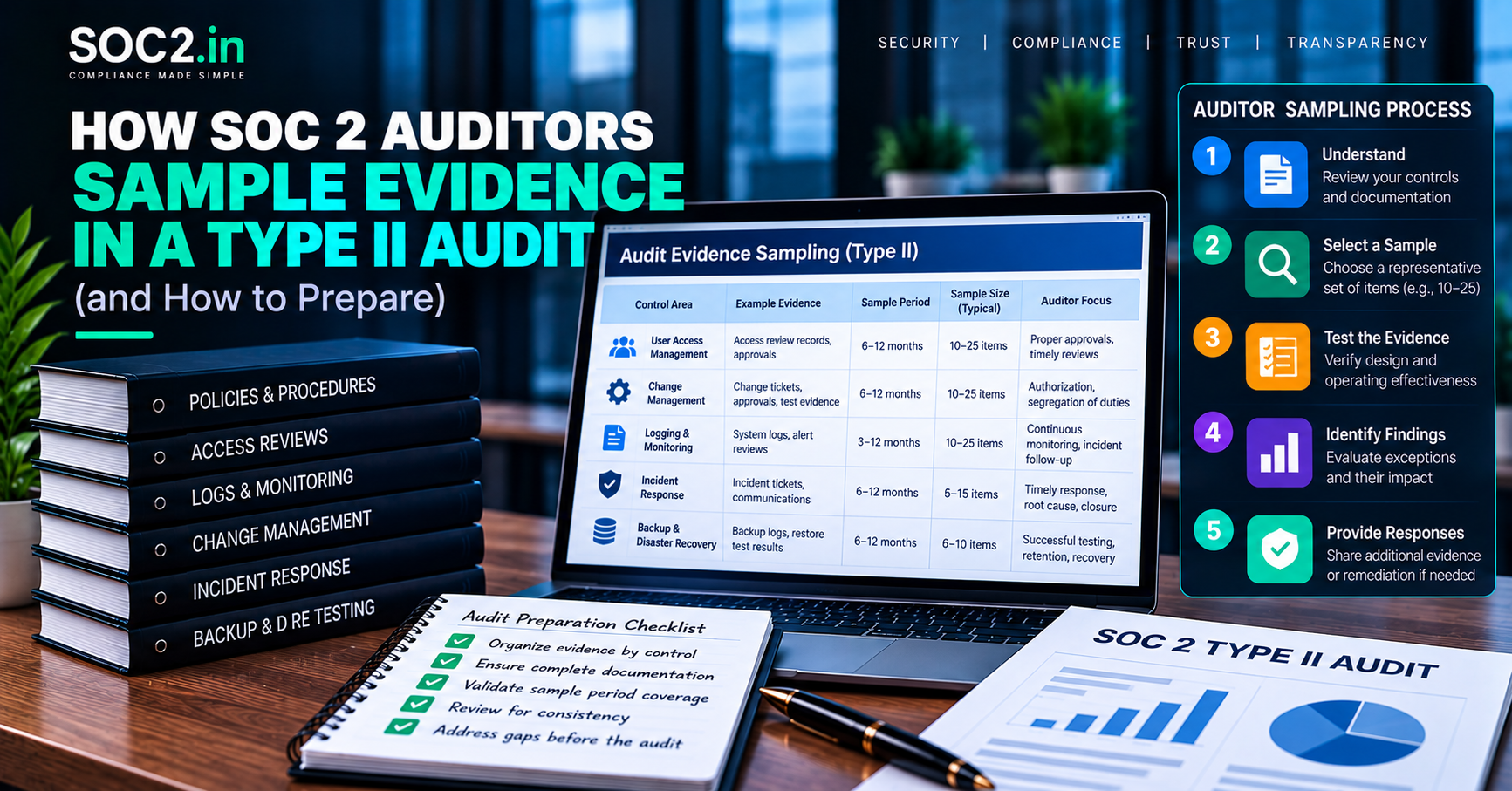
This level of transparency helps demonstrate operational effectiveness, which is critical for a successful Type II report.
7. From Audit Exercise to Strategic Advantage
In 2026, SOC 2 compliance is not treated as a burden. It is a competitive differentiator.
Customers expect continuous proof of security. Enterprise clients demand visibility into AI governance. Procurement teams request live compliance dashboards instead of static reports.
Organizations that invest in intelligent SOC 2 compliance software gain:
- Faster audit cycles
- Lower operational risk
- Stronger customer trust
- Reduced manual overhead
- Better internal visibility
Compliance becomes part of brand credibility.
What Organizations Should Prioritize in 2026
To succeed in the 2026 compliance landscape, companies should:
- Implement AI governance controls with documented oversight
- Adopt continuous compliance monitoring tools
- Automate evidence collection and reporting
- Enforce Zero Trust access models
- Strengthen encryption and key management practices
- Monitor AI systems in real time
A reactive, spreadsheet-driven approach will not meet modern expectations.
Final Thoughts
SOC 2 compliance in 2026 reflects the realities of AI-driven enterprises. The framework now evaluates not only infrastructure security but also AI integrity, governance maturity, and continuous operational effectiveness.
The organizations that treat compliance as a live, intelligent system rather than a once-a-year project will lead the market.
SOC 2 is no longer just about passing an audit. It is about proving sustained trust in an AI-powered world.