AI companies are not just building software. They are building systems that learn, decide, and act.
That changes everything when it comes to SOC 2 compliance.
Traditional SaaS companies focus on infrastructure, access, and data protection. But AI companies introduce new layers like model behavior, data training, and autonomous decision-making.
So the question is:
Is your SOC 2 approach ready for AI?
What Makes AI Companies Different?
AI systems:
- Process massive datasets
- Learn from inputs
- Interact dynamically with users
- Make automated decisions
This introduces risks that traditional SOC 2 controls don’t fully cover.
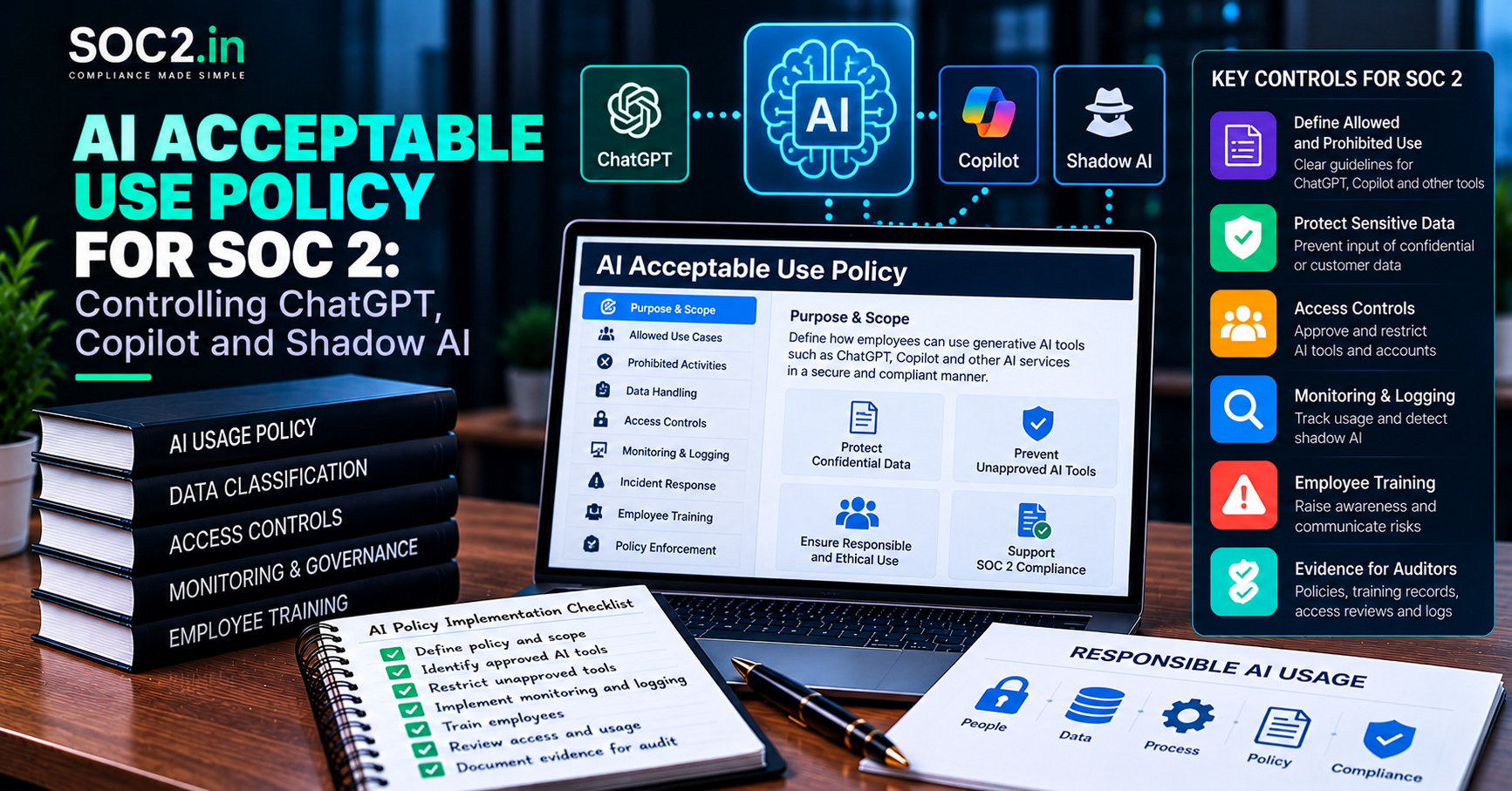
Key Changes in SOC 2 for AI
1. Data Handling Risks Increase
Training data, prompts, and outputs all become sensitive.
You must control:
- Input data (prompts)
- Training datasets
- Model outputs
2. Model Behavior Needs Governance
AI doesn’t just follow rules. It learns patterns.
You need:
- Model validation
- Output monitoring
- Bias and risk controls
3. Non-Human Identities (NHIs)
AI agents, APIs, and automation systems act like users.
SOC 2 now expects:
- Identity control for machines
- Access tracking for APIs
- Token and key management
4. Prompt Security Becomes Critical
Prompt injection is a real risk.
Controls should include:
- Input validation
- Context filtering
- Output restrictions
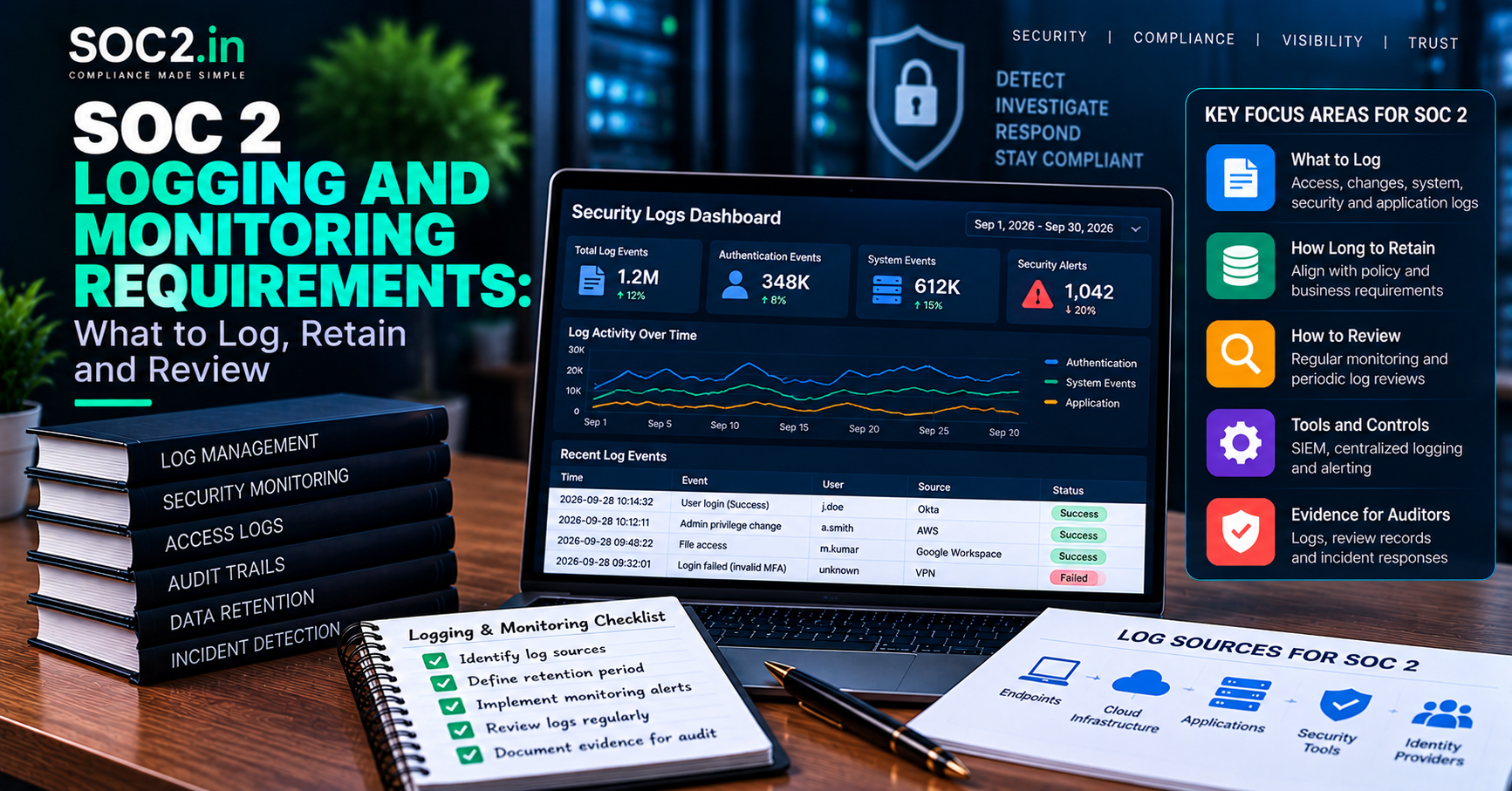
5. Continuous Monitoring
AI systems are dynamic.
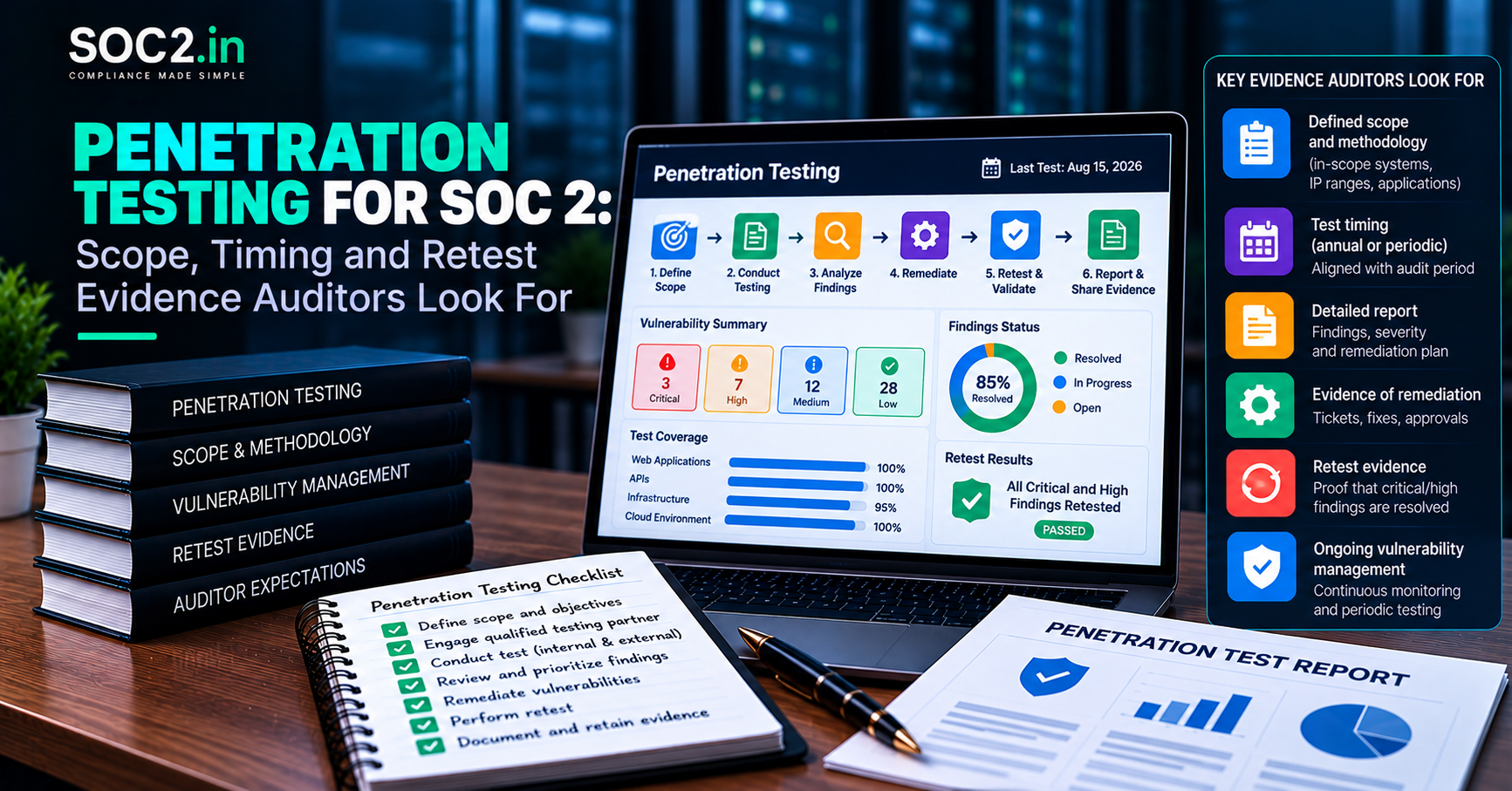
Auditors expect:
- Real-time monitoring
- Behavioral tracking
- Incident detection
How to Prepare
- Build AI governance policies
- Secure training and inference pipelines
- Monitor AI outputs
- Implement strong access controls
Conclusion
SOC 2 for AI companies is no longer just about systems.
It’s about data + behavior + automation
Companies that adapt early will stand out in the market.