In the rapidly evolving landscape of healthcare and HealthTech, data security isn’t just a best practice—it’s a legal and ethical mandate. With the sensitive nature of Protected Health Information (PHI), companies in this sector face stringent regulations like HIPAA. While HIPAA sets the regulatory baseline, SOC 2 certification emerges as a powerful framework that not only demonstrates robust security controls but also significantly aligns with and often exceeds HIPAA’s requirements.
Why Healthcare & HealthTech Needs More Than Just HIPAA
HIPAA (Health Insurance Portability and Accountability Act) is the cornerstone of patient data protection in the U.S. It mandates rules for safeguarding PHI, covering administrative, physical, and technical safeguards. However, HIPAA is a compliance standard; it tells you what to protect.
SOC 2 (System and Organization Controls 2), developed by the AICPA, describes how an organization protects data. It provides an independent, third-party attestation of an organization’s internal controls related to security, availability, processing integrity, confidentiality, and privacy. For healthcare and HealthTech, this “how” is crucial for building trust and proving diligence.
The Overlap: How SOC 2 Strengthens HIPAA Compliance
Many of the controls required for SOC 2 directly support and enhance a healthcare organization’s ability to meet HIPAA’s mandates. Let’s look at key areas of alignment:
1. Security Rule Alignment (HIPAA) & Security Principle (SOC 2) 🔒
- HIPAA’s Security Rule requires administrative, physical, and technical safeguards to protect electronic PHI (ePHI).
- SOC 2’s Security principle directly addresses this by requiring controls around:
- Access Controls: Ensuring only authorized personnel can access PHI.
- Encryption: Protecting ePHI both in transit and at rest.
- Network Security: Implementing firewalls, intrusion detection, and prevention systems.
- Vulnerability Management: Regularly identifying and remediating security weaknesses.
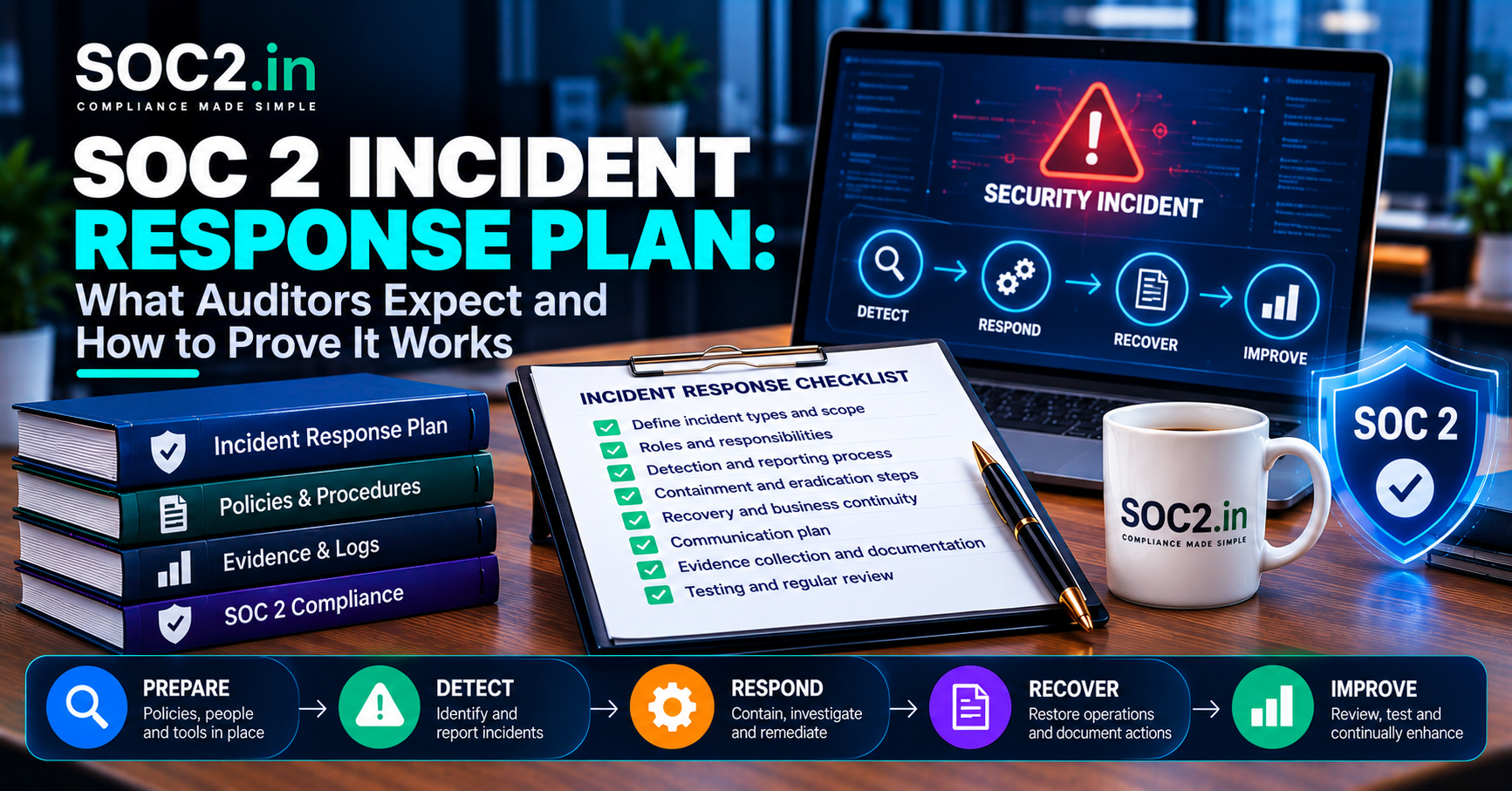
- Incident Response: Having a plan to detect, respond to, and recover from security incidents (crucial for HIPAA breach notification rules).
2. Privacy Rule Alignment (HIPAA) & Privacy Principle (SOC 2) 🤫
- HIPAA’s Privacy Rule governs the use and disclosure of PHI.
- SOC 2’s Privacy principle focuses on how personal information is collected, used, retained, disclosed, and disposed of. This includes:
- Consent Management: Ensuring proper consent for data handling.
- Data Minimization: Collecting only necessary data.
- Data Retention & Disposal: Securely managing the lifecycle of PHI.
- User Rights: Supporting individuals’ rights to access and amend their health information.
3. Breach Notification Rule (HIPAA) & Availability/Incident Response (SOC 2) ⏰
- HIPAA’s Breach Notification Rule requires covered entities and business associates to notify affected individuals, HHS, and in some cases, the media of a breach of unsecured PHI.
- SOC 2’s Availability principle ensures systems are operational, and its strong emphasis on incident response planning means organizations are better prepared to:
- Detect Breaches: Through continuous monitoring and intrusion detection.
- Contain & Mitigate: Swiftly limit the damage of a security incident.
- Investigate & Document: Gather necessary information for breach analysis and reporting.
- Recover: Restore systems and data efficiently.
4. Vendor Management & Business Associate Agreements (BAAs) 🤝
- HIPAA requires Business Associate Agreements (BAAs) with third-party vendors (Business Associates) that handle PHI on behalf of a covered entity. These agreements ensure vendors uphold HIPAA’s standards.
- SOC 2 reports become a critical tool for vendor due diligence. When a healthcare organization evaluates a HealthTech vendor, requesting their SOC 2 Type 2 report provides independent assurance that the vendor has robust controls in place to protect PHI, thereby validating their ability to meet BAA obligations.
- For HealthTech companies, having a SOC 2 report significantly boosts credibility and trust with potential healthcare clients, making them a more attractive and compliant partner.
The Competitive Edge of SOC 2 in HealthTech 🏆
For HealthTech startups and established companies, SOC 2 certification isn’t just about compliance; it’s a competitive differentiator.
- Market Access: Many healthcare providers will not even consider partnering with a HealthTech solution that lacks SOC 2.
- Investor Confidence: Investors view SOC 2 as a sign of maturity and risk mitigation.
- Reduced Audit Fatigue: A comprehensive SOC 2 audit can reduce the need for multiple, individual security questionnaires from different clients.
- Enhanced Reputation: Demonstrating a commitment to the highest security standards builds patient and partner confidence.
Conclusion: A Dual Approach for Uncompromised Security
While HIPAA sets the baseline for protecting patient data, SOC 2 certification provides the verifiable framework and ongoing assurance that a healthcare or HealthTech organization is not just trying to be secure, but is secure. By aligning with SOC 2’s Trust Services Criteria, companies can build a robust, auditable security program that not only meets HIPAA requirements but also positions them for long-term success, trust, and innovation in the highly sensitive world of health information.