For companies that handle sensitive customer data, security and trust are essential. Businesses that offer SaaS products, cloud services, or technology platforms must demonstrate that their systems are secure and reliable.
One of the most recognized frameworks for proving strong security practices is SOC 2 compliance. Many enterprise customers require vendors to meet SOC 2 standards before they agree to work with them.
SOC 2 focuses on how organizations protect customer data through structured security controls. These controls ensure that systems remain secure, available, and capable of protecting sensitive information.
In this blog, we will explore the top security controls required for SOC 2 compliance and how businesses can implement them effectively.
What is SOC 2 Compliance?
SOC 2 (Service Organization Control 2) is a cybersecurity framework developed by the American Institute of Certified Public Accountants (AICPA).
It evaluates how organizations manage customer data based on five Trust Service Criteria:
- Security
- Availability
- Processing Integrity
- Confidentiality
- Privacy
To meet SOC 2 requirements, companies must implement strong operational and technical controls that protect systems and data.
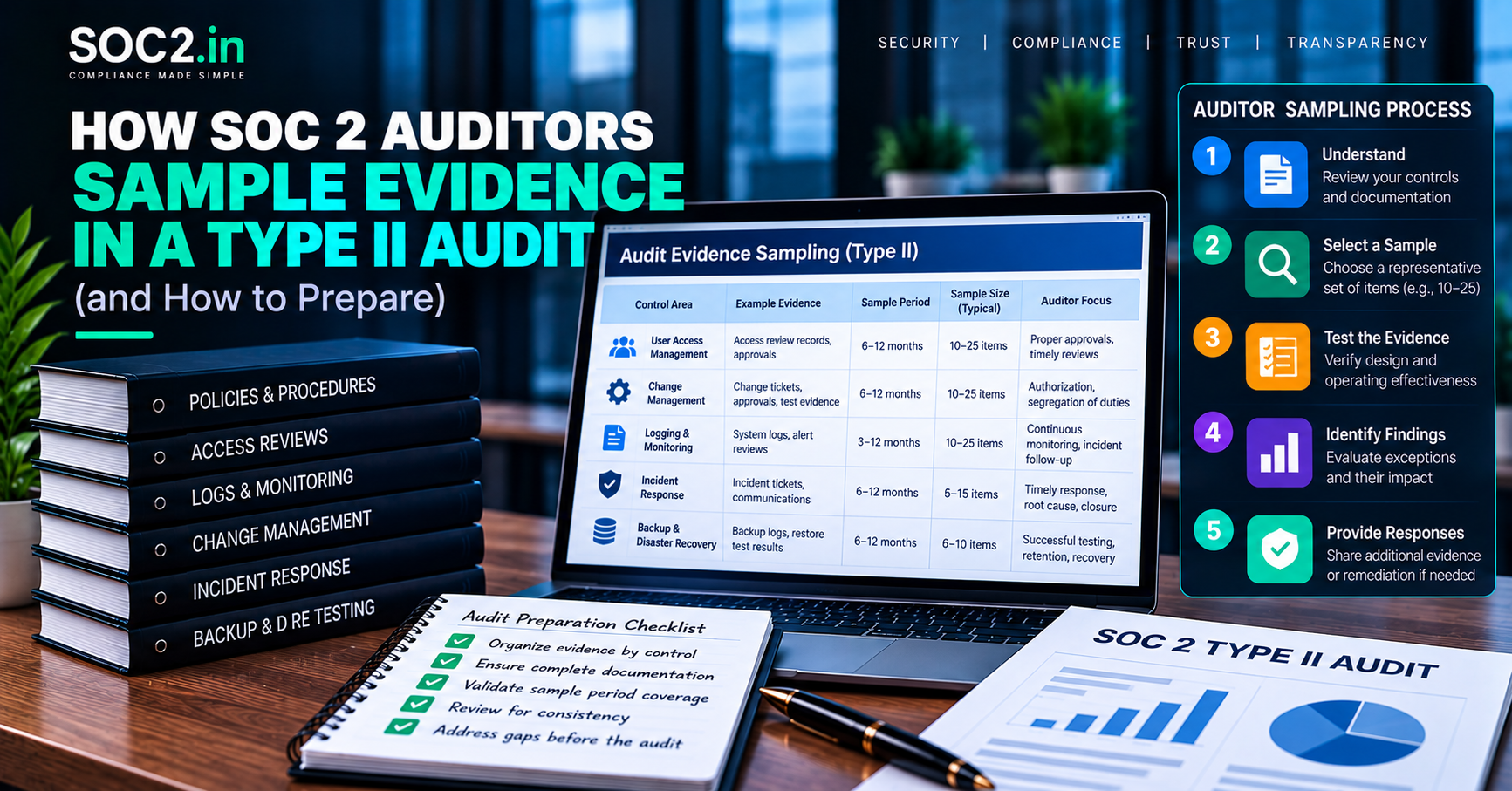
These controls are reviewed during independent audits to verify that security practices are properly implemented.
Why Security Controls Matter for SOC 2
Security controls are the foundation of SOC 2 compliance. They help organizations reduce risks, prevent data breaches, and protect sensitive information.
Properly implemented controls also demonstrate that a company follows recognized cybersecurity standards.
For SaaS companies and technology startups, these controls help build trust with customers and support enterprise partnerships.
Key Security Controls Required for SOC 2 Compliance
Below are some of the most important security controls organizations must implement to meet SOC 2 requirements.
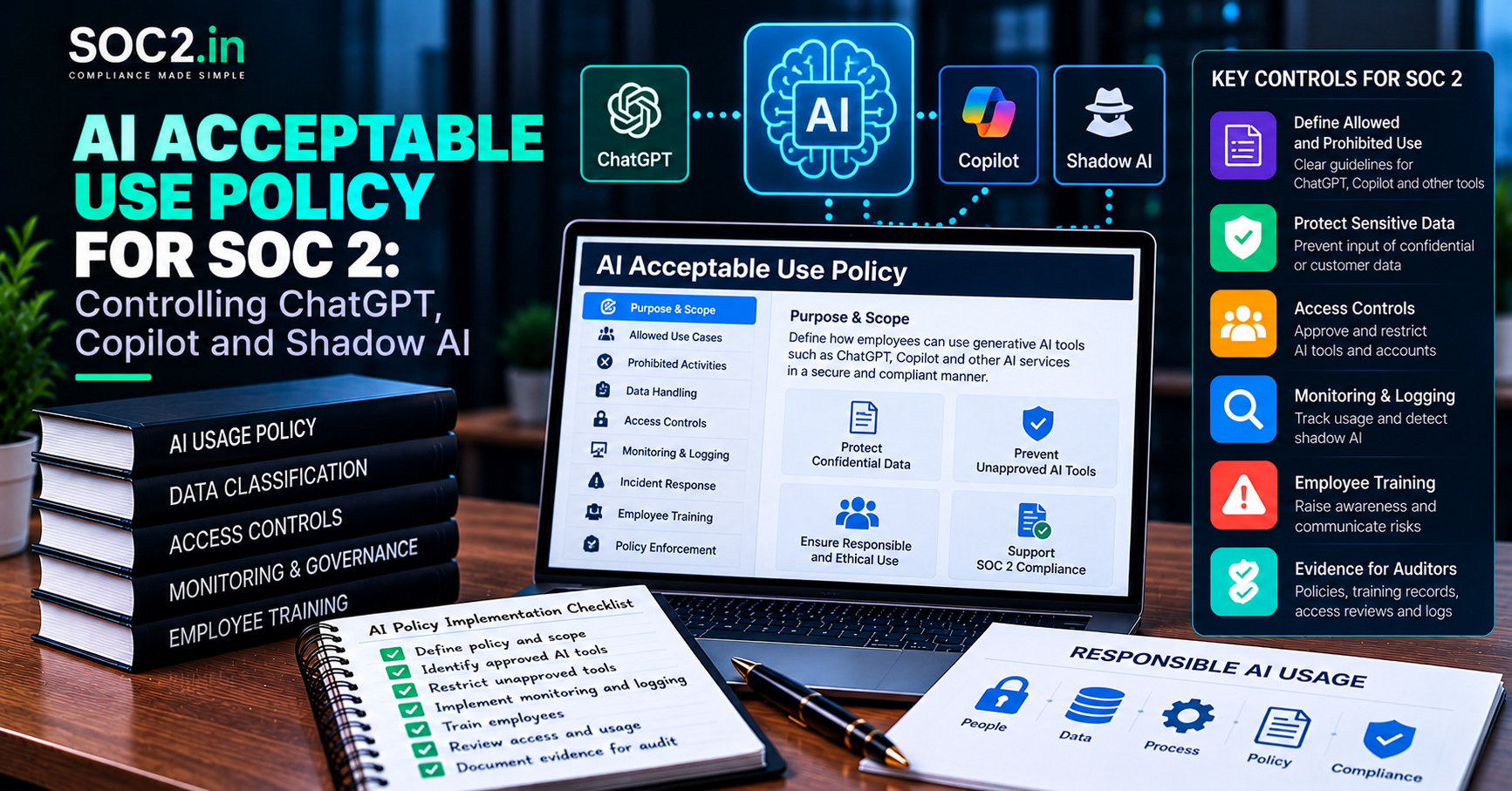
1. Access Control Management
Access control ensures that only authorized users can access systems and sensitive data.
Organizations should implement:
- Role-based access control (RBAC)
- Strong password policies
- Multi-factor authentication (MFA)
- Regular access reviews
Limiting system access helps prevent unauthorized activities and insider threats.
2. Data Encryption
Encryption protects sensitive data by converting it into unreadable formats that can only be accessed with the correct keys.
SOC 2 requires organizations to protect data during:
- Storage (data at rest)
- Transmission (data in transit)
Encryption helps reduce the risk of data exposure even if systems are compromised.
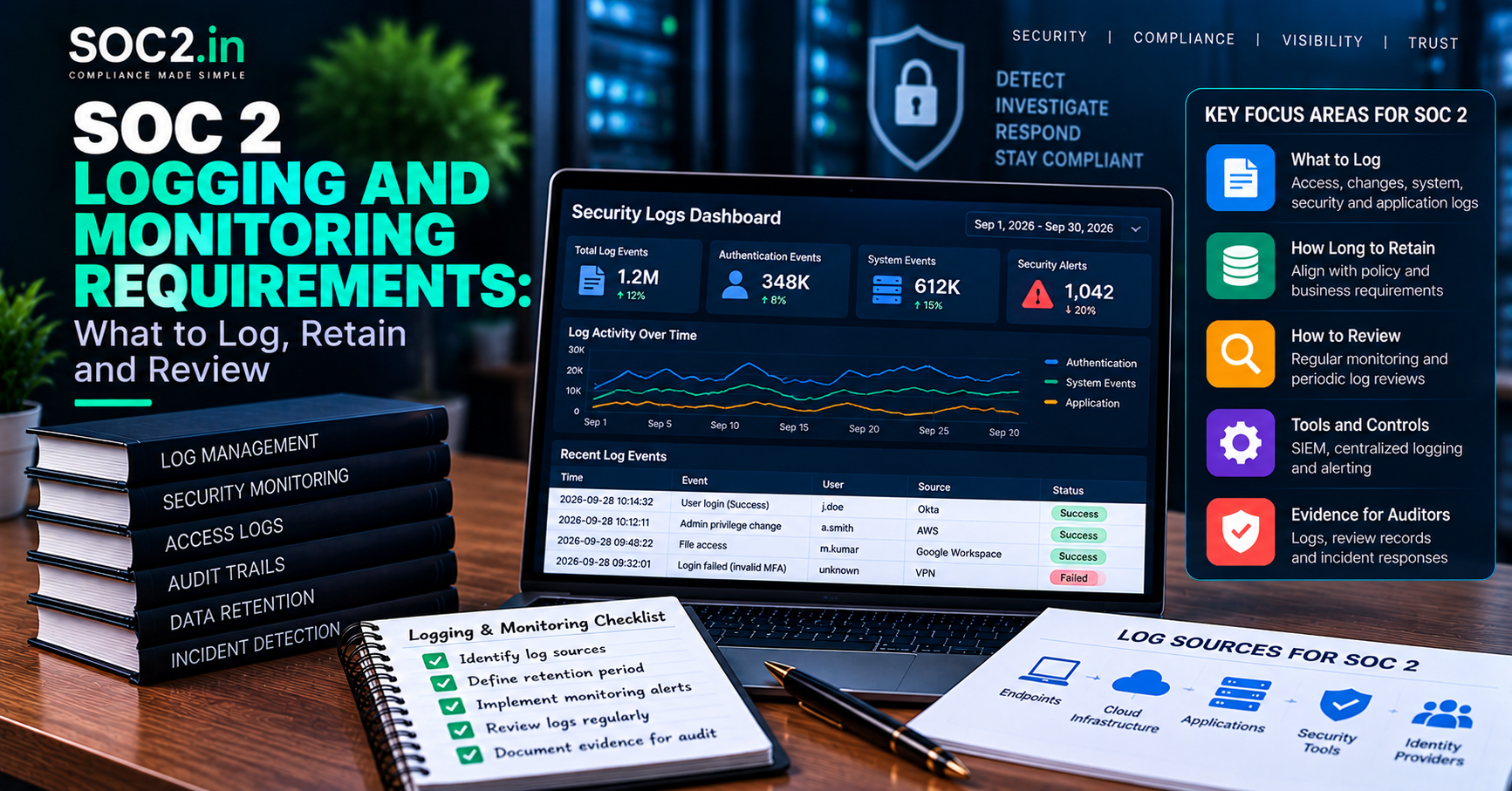
3. System Monitoring and Logging
Continuous monitoring allows organizations to detect unusual system activity and respond quickly to potential threats.
Effective monitoring includes:
- System activity logging
- Security event monitoring
- Real-time alerts
- Log retention policies
Monitoring systems provide visibility into potential security incidents.
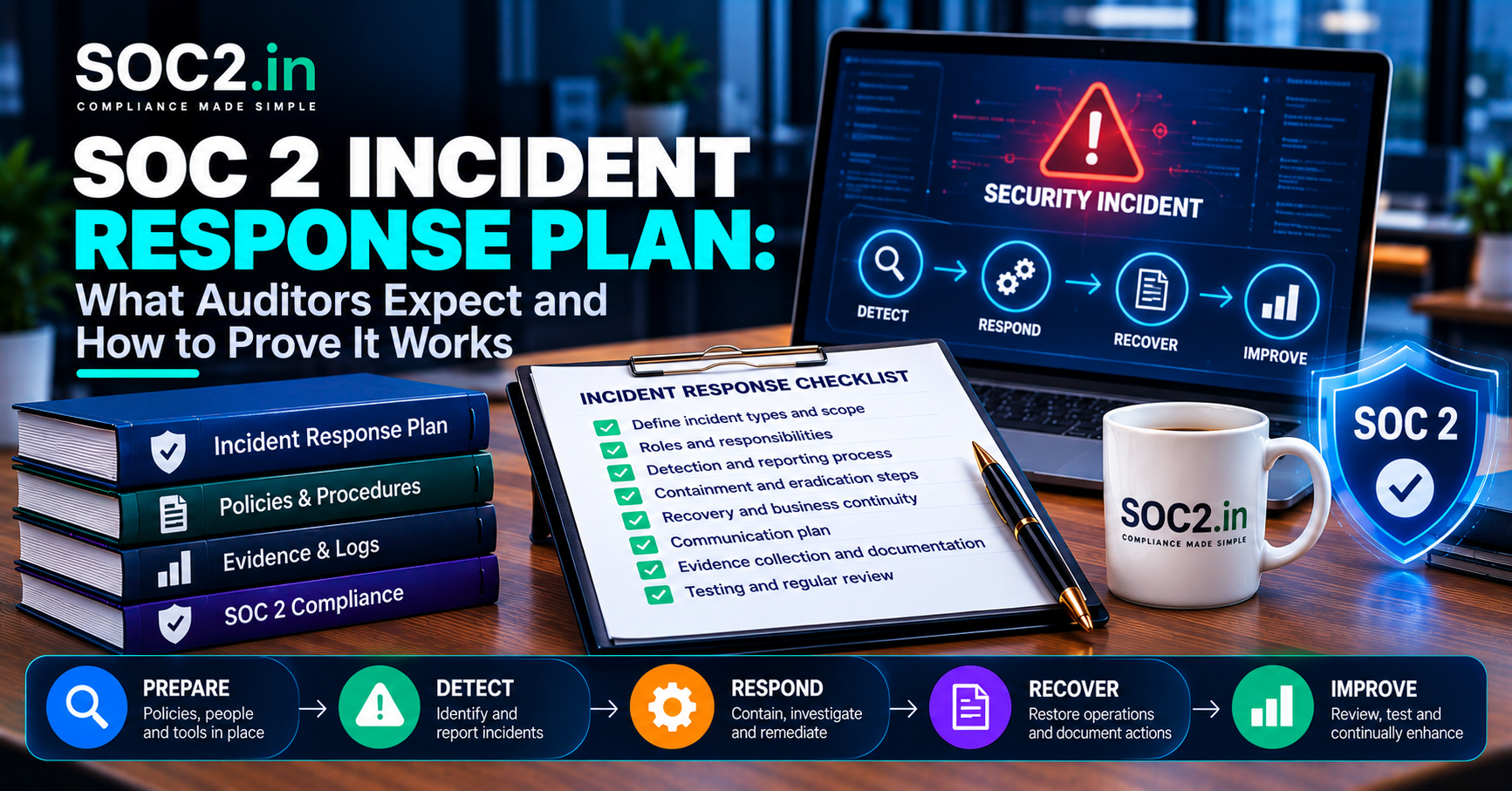
4. Incident Response Planning
Even with strong security controls, incidents may still occur. SOC 2 requires organizations to have a structured incident response plan.
This plan should define:
- How incidents are detected
- Who is responsible for responding
- How incidents are documented
- Steps taken to recover systems
A well-prepared response plan minimizes damage during security events.
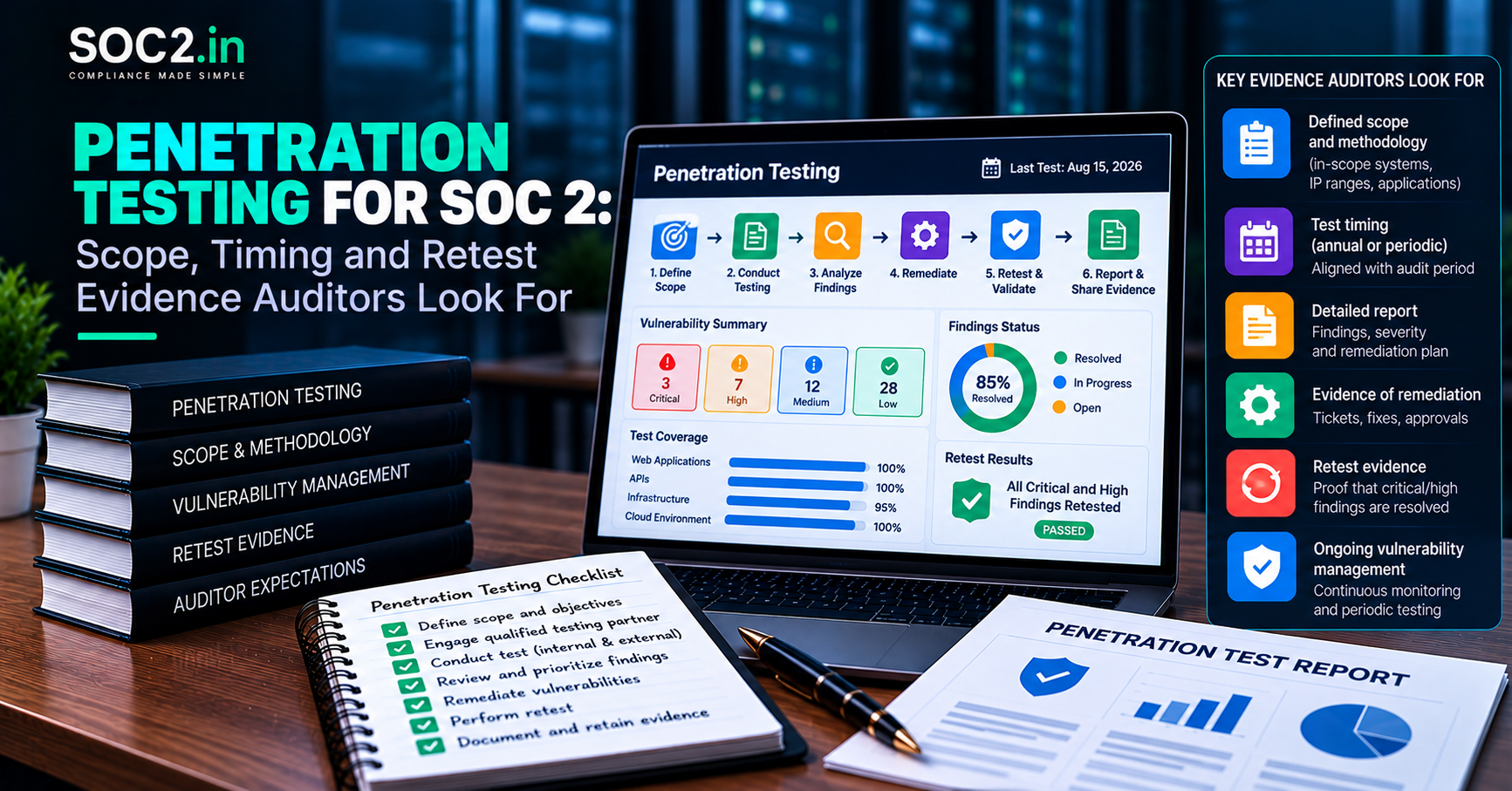
5. Vulnerability Management
Organizations must regularly identify and fix security weaknesses within their systems.
This includes:
- Vulnerability scanning
- Penetration testing
- Security patch management
- System updates
Regular vulnerability assessments help organizations stay ahead of potential threats.
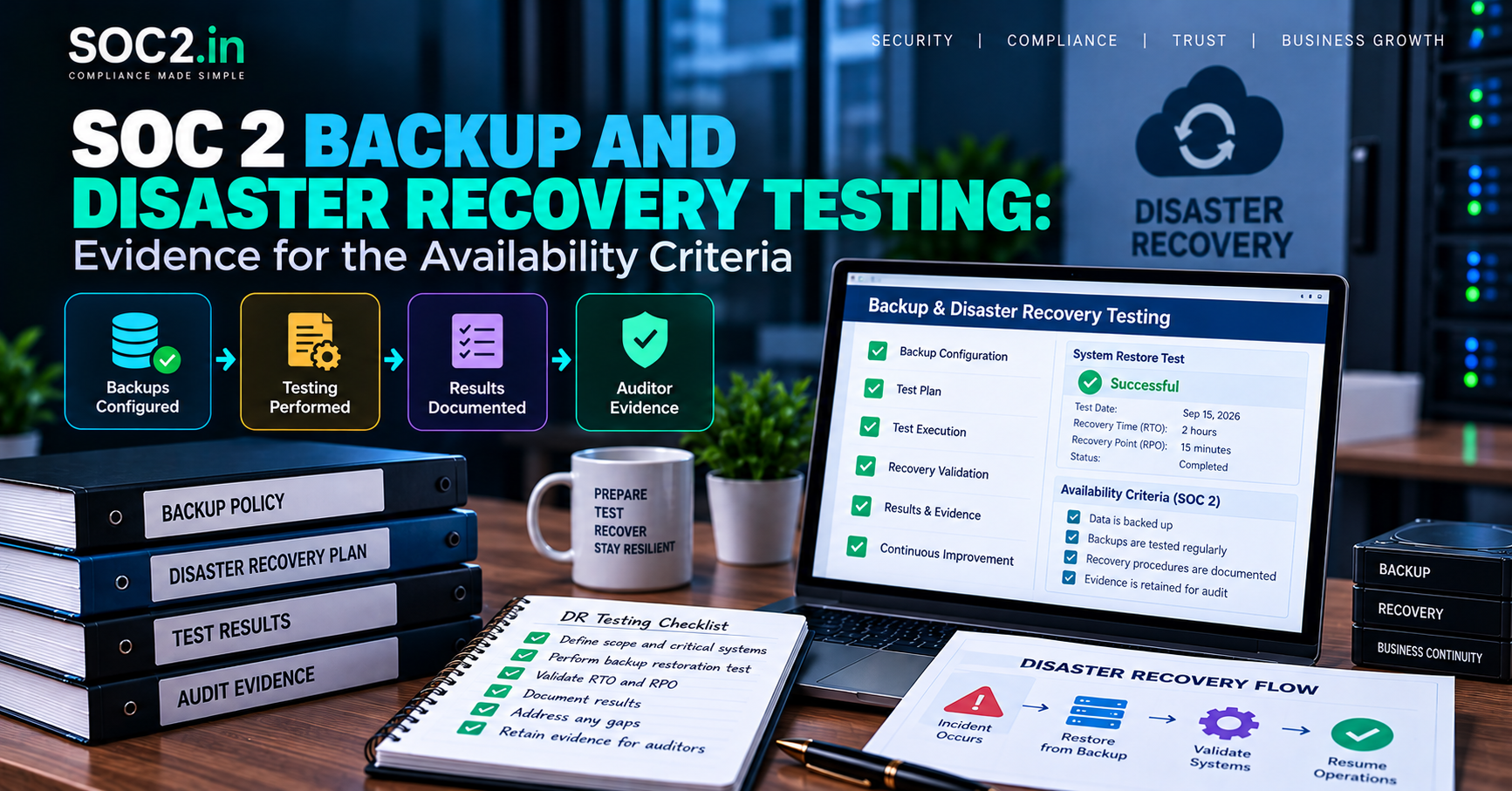
6. Data Backup and Recovery
SOC 2 also focuses on system availability. Organizations must ensure that data can be recovered if systems fail.
Backup controls should include:
- Automated backups
- Secure backup storage
- Disaster recovery planning
- Regular backup testing
Reliable backups ensure business continuity during unexpected disruptions.
7. Vendor Risk Management
Many companies rely on third-party services such as cloud providers, payment gateways, and analytics tools.
SOC 2 requires organizations to evaluate and monitor the security practices of their vendors.
Businesses should:
- Assess vendor security policies
- Sign data protection agreements
- Monitor third-party access
Managing vendor risk helps prevent external security breaches.
8. Security Awareness Training
Employees play an important role in maintaining security.
SOC 2 requires organizations to train employees on security best practices.
Training should include:
- Recognizing phishing attempts
- Secure password practices
- Handling sensitive data
- Reporting suspicious activities
Educated employees reduce the likelihood of security incidents.
9. Change Management Controls
Change management ensures that system updates and configuration changes are handled carefully.
Organizations should maintain processes for:
- Reviewing system changes
- Testing updates before deployment
- Documenting changes
- Monitoring post-deployment performance
Proper change management reduces the risk of introducing new vulnerabilities.
10. Risk Assessment and Security Policies
SOC 2 requires organizations to regularly assess risks and maintain documented security policies.
Key policies may include:
- Information security policy
- Data protection policy
- Access management policy
- Incident response policy
Regular risk assessments help organizations identify and address new threats.
Best Practices for Implementing SOC 2 Security Controls
Organizations preparing for SOC 2 compliance should follow several best practices.
• Implement security controls early in the product development process.
• Use automated security monitoring tools.
• Conduct regular security audits.
• Maintain clear documentation of security policies.
• Continuously improve security practices as systems evolve.
Taking a proactive approach makes SOC 2 compliance easier and more effective.
Challenges Businesses Face During SOC 2 Preparation
Many companies encounter difficulties while implementing SOC 2 security controls.
Common challenges include:
- Lack of cybersecurity expertise
- Incomplete documentation
- Limited internal security processes
- Managing third-party risks
Working with experienced compliance professionals can help organizations overcome these challenges.
Conclusion
By implementing key security controls such as access management, encryption, monitoring, incident response, and vulnerability management, organizations can build a secure infrastructure that meets SOC 2 standards.
For SaaS companies and technology providers, investing in strong security controls not only supports compliance but also strengthens customer trust and long-term business growth.