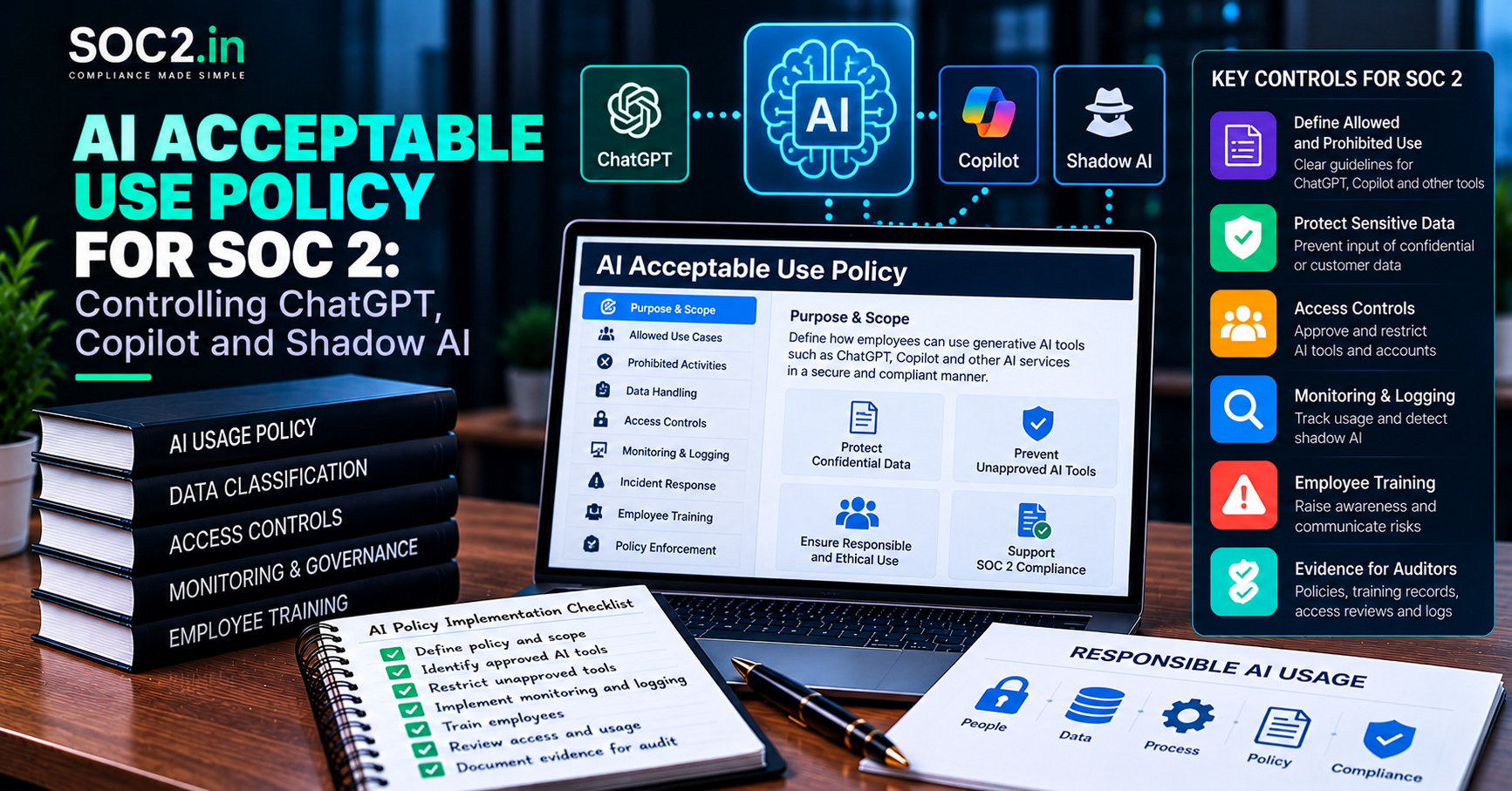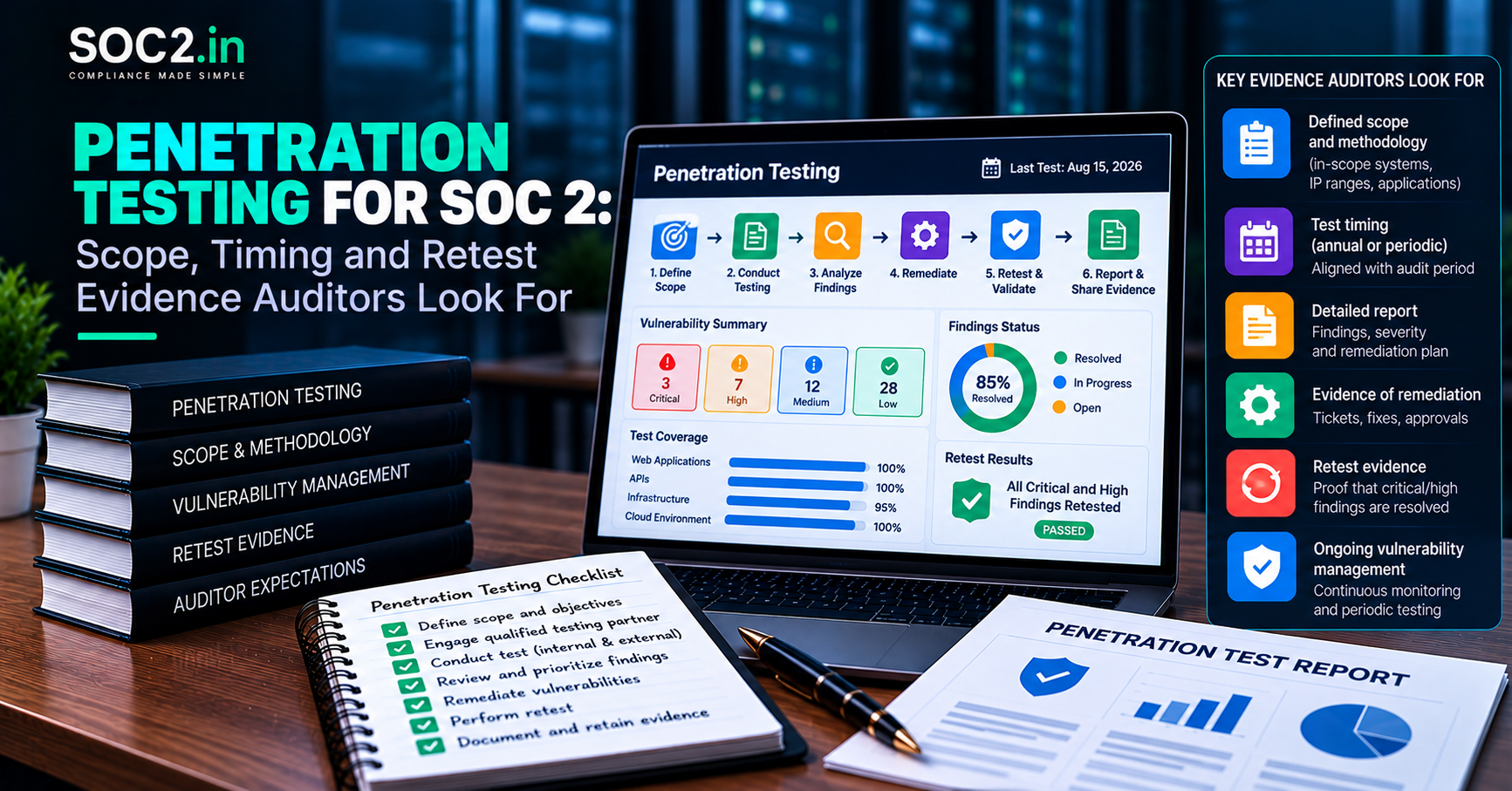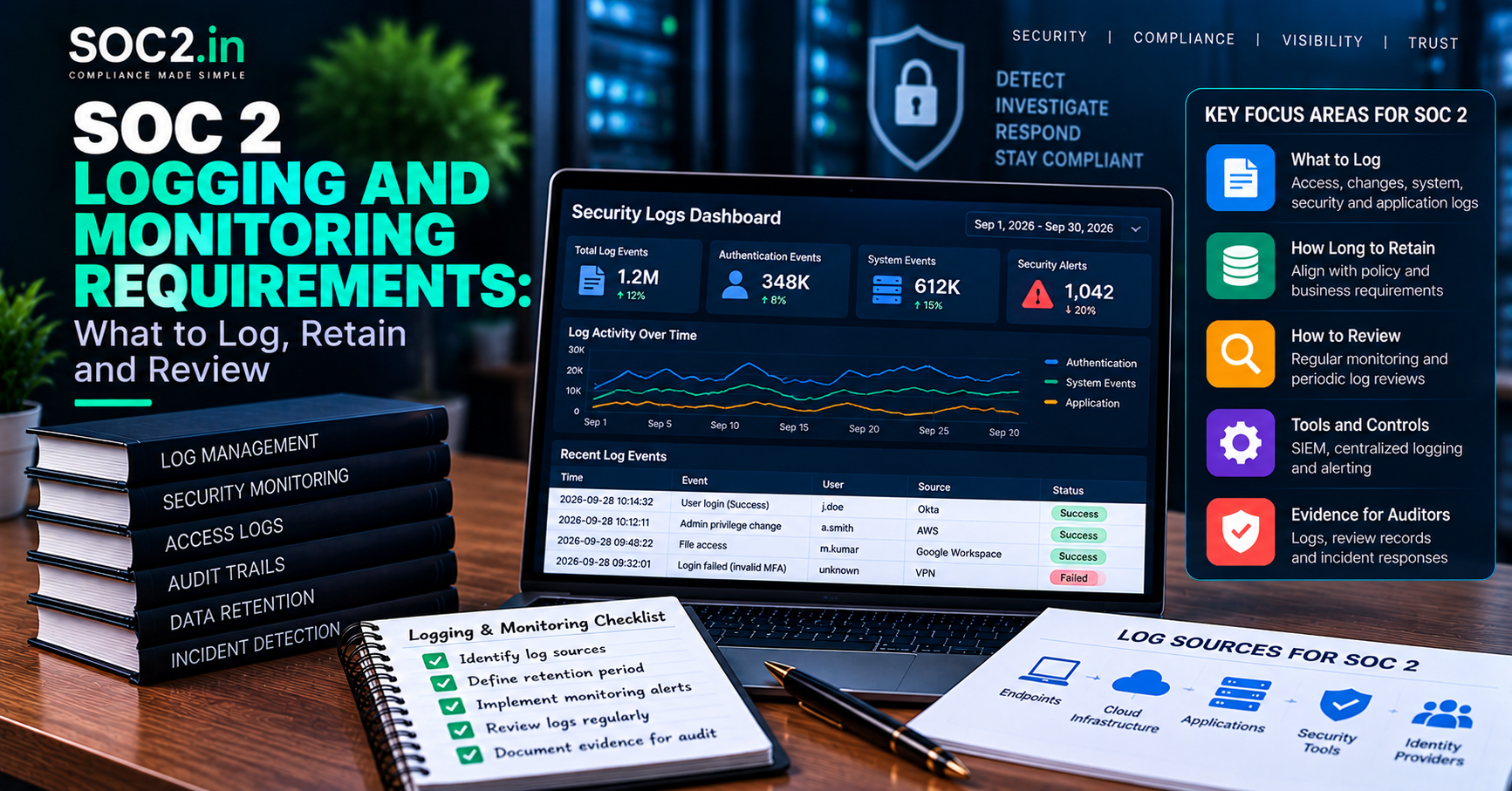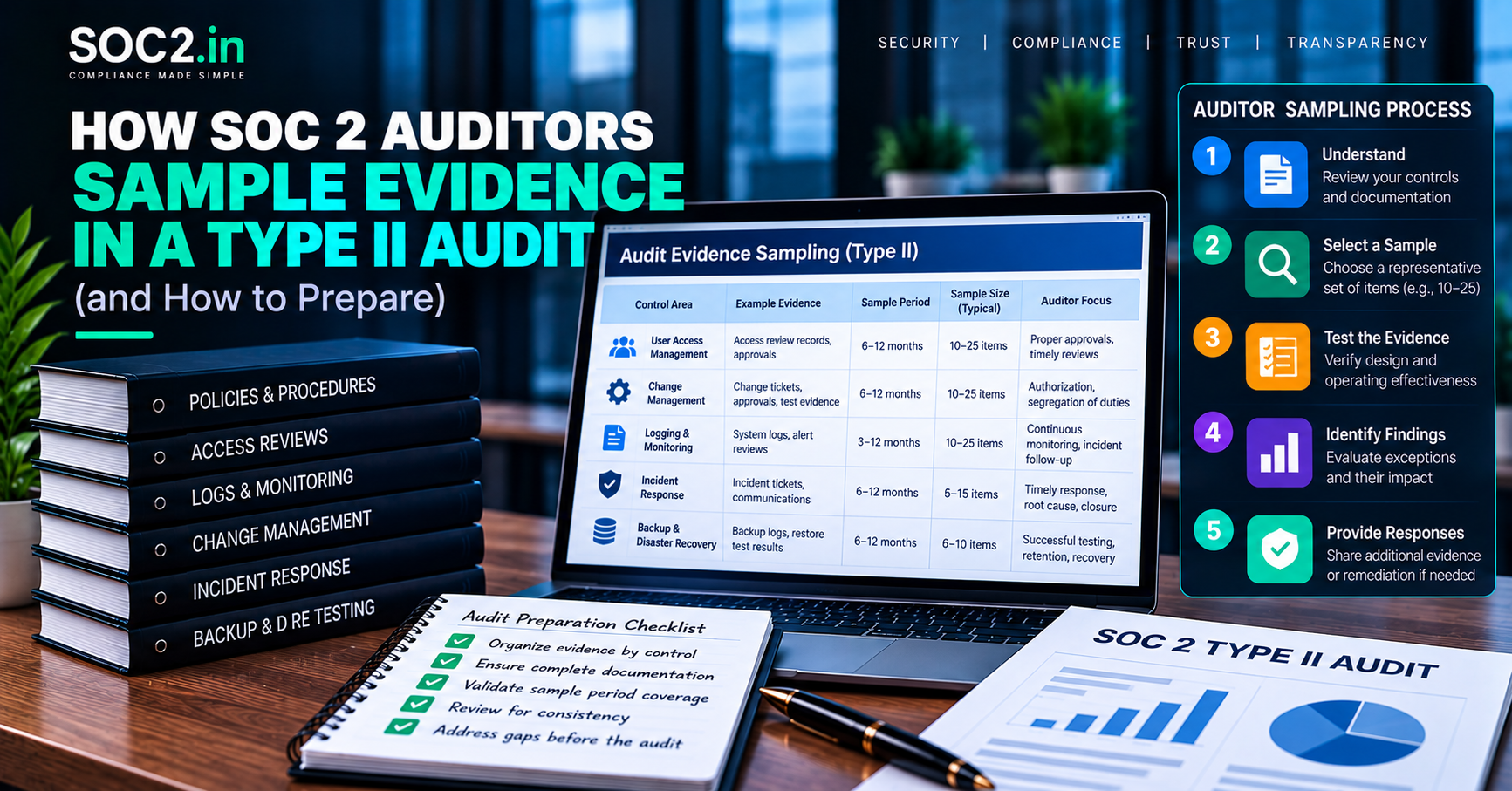
As organizations increasingly rely on cloud services, SaaS applications, and third-party vendors, customers want assurance that their data is handled securely and responsibly. One of the most trusted ways to demonstrate this commitment is through AICPA SOC Reports.
SOC Reports provide independent verification that an organization has implemented effective controls over security, availability, confidentiality, privacy, financial reporting, or operational processes. Whether you’re a SaaS provider, managed service provider (MSP), data center, or financial services company, understanding the different types of SOC Reports is essential.
This guide explains AICPA SOC Reports, their purpose, the different report types, and how they help build customer trust.
What Are AICPA SOC Reports?
SOC (System and Organization Controls) Reports are independent assurance reports developed by the American Institute of Certified Public Accountants (AICPA).
These reports evaluate an organization’s internal controls based on specific objectives and provide customers, partners, and stakeholders with confidence that appropriate controls are in place.
SOC Reports are performed by licensed CPA firms and are widely recognized across industries.
Types of AICPA SOC Reports
The AICPA offers three primary SOC report types.
SOC 1
SOC 1 focuses on internal controls over financial reporting (ICFR).
It is intended for organizations whose services may impact their customers’ financial statements.
Examples include:
- Payroll providers
- Financial service organizations
- Payment processors
- Accounting service providers
SOC 2
SOC 2 evaluates controls related to the Trust Services Criteria (TSC):
- Security
- Availability
- Processing Integrity
- Confidentiality
- Privacy
SOC 2 is commonly used by:
- SaaS companies
- Cloud service providers
- Managed Service Providers (MSPs)
- Data centers
- Technology companies
It demonstrates that customer information is protected using well-designed and effective security controls.
SOC 3
SOC 3 covers the same Trust Services Criteria as SOC 2 but is designed for public distribution.
Unlike SOC 2 reports, SOC 3 reports do not include detailed testing procedures or sensitive control descriptions, making them suitable for marketing and customer communications.
SOC 2 Type I vs SOC 2 Type II
SOC 2 reports are available in two formats.
SOC 2 Type I
Evaluates whether security controls are properly designed at a specific point in time.
SOC 2 Type II
Evaluates whether those controls operate effectively over an observation period, typically between three and twelve months.
Most enterprise customers prefer SOC 2 Type II because it demonstrates ongoing operational effectiveness.
SOC Report Comparison
| Report | Primary Focus | Best For |
|---|---|---|
| SOC 1 | Financial reporting controls | Payroll, finance, payment processing |
| SOC 2 | Security and customer data protection | SaaS, cloud providers, technology companies |
| SOC 3 | Public trust and marketing | Organizations wanting to publicly demonstrate compliance |
Benefits of AICPA SOC Reports
Implementing the appropriate SOC Report offers several advantages:
- Builds customer confidence
- Demonstrates independent verification
- Supports enterprise procurement
- Simplifies vendor risk assessments
- Improves security governance
- Strengthens regulatory readiness
- Enhances brand reputation
- Creates a competitive advantage
Who Needs a SOC Report?
Organizations that should consider obtaining a SOC Report include:
- SaaS companies
- Cloud hosting providers
- Managed Service Providers (MSPs)
- Data centers
- FinTech companies
- Healthcare technology providers
- Payroll service providers
- Business Process Outsourcing (BPO) companies
- IT service providers
The appropriate report depends on the services offered and customer requirements.
Choosing the Right SOC Report
Ask the following questions:
- Do your services affect customer financial reporting? → SOC 1
- Do customers want assurance about data security and privacy? → SOC 2
- Do you need a public-facing report to demonstrate compliance? → SOC 3
Many technology companies pursue SOC 2 Type II because it is widely recognized by enterprise customers.
Best Practices for SOC Compliance
To prepare for a successful SOC audit:
- Perform a readiness assessment
- Conduct regular risk assessments
- Implement strong access controls
- Enable Multi-Factor Authentication (MFA)
- Monitor systems continuously
- Maintain detailed security policies
- Collect audit evidence throughout the year
- Train employees on security awareness
- Review vendor risks regularly
These practices help strengthen security while simplifying future audits.
Why SOC Reports Matter
Modern organizations rely on third-party service providers more than ever before. Customers want confidence that their vendors maintain strong security and operational controls.
AICPA SOC Reports provide independent assurance that an organization follows recognized best practices, making it easier to build trust, reduce procurement delays, and demonstrate a commitment to protecting sensitive information.
Conclusion
AICPA SOC Reports have become an essential part of modern cybersecurity and compliance programs. Whether your organization requires SOC 1, SOC 2, or SOC 3, these reports provide independent verification of your internal controls and demonstrate your commitment to security, transparency, and operational excellence.
For most SaaS and cloud service providers, SOC 2 Type II remains the preferred standard for proving that security controls are effectively protecting customer data over time.
Investing in the right SOC Report not only strengthens your security posture but also helps win customer trust and unlock new business opportunities.
Frequently Asked Questions
What does AICPA stand for?
AICPA stands for the American Institute of Certified Public Accountants, the organization that developed the SOC reporting framework.
What is the difference between SOC 1, SOC 2, and SOC 3?
SOC 1 focuses on financial reporting controls, SOC 2 evaluates security and privacy controls, and SOC 3 provides a public summary of SOC 2 compliance.
Who performs a SOC audit?
SOC audits are performed by licensed independent Certified Public Accountants (CPA firms).
Which SOC Report is best for SaaS companies?
Most SaaS companies pursue SOC 2 Type II because it demonstrates effective security controls and meets enterprise customer expectations.