In today’s data-driven world, customers trust service providers with their most sensitive information. From cloud storage platforms to SaaS applications, these organizations must prove they take security seriously. That’s where SOC 2 compliance comes in—a respected standard that demonstrates a company’s commitment to safeguarding customer data.
Understanding SOC 2
SOC 2 (System and Organization Controls 2) is a compliance framework developed by the American Institute of Certified Public Accountants (AICPA). It’s specifically designed for service organizations that store, process, or manage customer information—particularly those operating in the cloud or delivering SaaS-based services.
SOC 2 compliance isn’t just about passing an audit—it’s about building a security-first culture that protects customer trust.
Why is SOC 2 Important?
In an era of growing cyber threats, SOC 2 offers several strategic advantages:
1. Builds Trust
SOC 2 certification assures clients and partners that your organization has robust data protection measures in place, fostering credibility and confidence.
2. Reduces Risks
Following SOC 2 guidelines strengthens your security posture, helping prevent data breaches, downtime, and compliance violations.
3. Competitive Advantage
Many companies now require SOC 2 compliance when choosing vendors. It’s becoming a must-have credential to win contracts in competitive markets.
4. Improves Internal Processes
Preparing for SOC 2 often uncovers operational inefficiencies, allowing organizations to strengthen processes while enhancing security.
SOC 2 Report Types: Type 1 vs. Type 2
SOC 2 audits come in two variations:
Type 1
Evaluates the design of security controls at a specific point in time. It answers: Are the right controls in place?
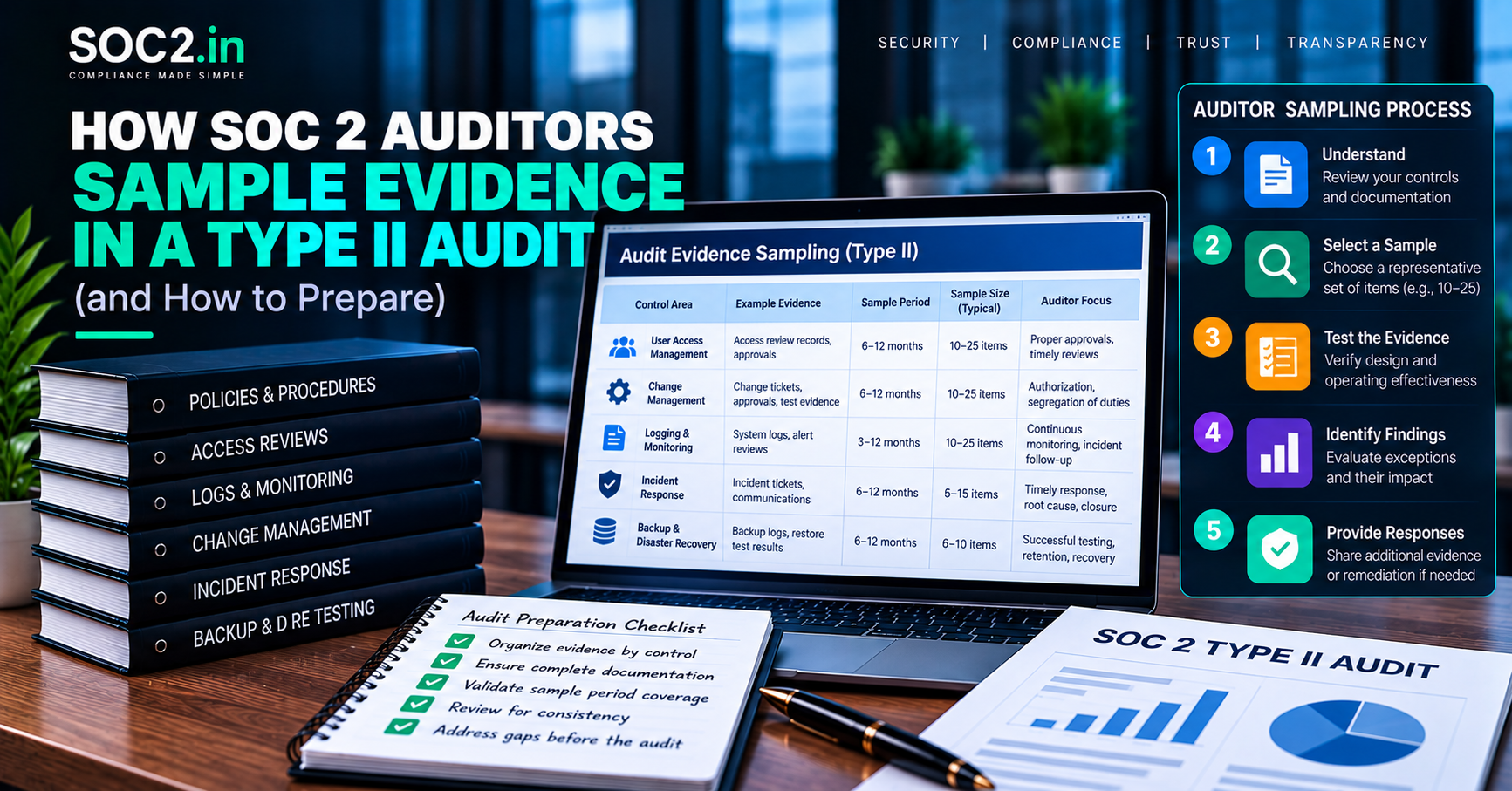
Type 2
Assesses both the design and operating effectiveness of controls over a period (typically 6–12 months). It answers: Do the controls work consistently in practice?
SOC 2: More Than Just a Badge
SOC 2 compliance is not a one-time achievement—it’s an ongoing commitment to excellence in data protection. By meeting SOC 2 requirements, your organization signals to the market that it’s serious about security, privacy, and operational integrity.
In an environment where customer trust is hard-earned and easily lost, SOC 2 can be the differentiator that wins clients and keeps them.