As businesses grow and begin serving larger customers, security becomes more than just an IT responsibility—it becomes a business requirement. One of the most common questions organizations ask is “When should a company pursue SOC 2?”
The answer depends on your customers, the type of data you handle, and your growth plans. While SOC 2 compliance is not legally mandatory, obtaining a SOC 2 report at the right stage can help your organization build trust, accelerate sales, and strengthen its cybersecurity posture.
In this guide, we’ll explore the ideal time to begin your SOC 2 journey and the signs that indicate your business is ready.
What is SOC 2?
SOC 2 (System and Organization Controls 2) is an auditing framework developed by the American Institute of Certified Public Accountants (AICPA). It evaluates how an organization protects customer information using the Trust Services Criteria (TSC):
- Security
- Availability
- Processing Integrity
- Confidentiality
- Privacy
An independent CPA firm assesses whether these controls are properly designed and operating effectively.
Why Timing Matters
Waiting too long to pursue SOC 2 can slow sales, delay customer onboarding, and create unnecessary security challenges.
Starting too early without the right processes in place may also increase implementation effort.
The ideal time is when your business has established core operational processes and expects increasing customer scrutiny around security.
Signs Your Company Should Pursue SOC 2
1. You’re Selling to Enterprise Customers
Large organizations often require vendors to provide a SOC 2 report before signing contracts.
If enterprise customers are requesting security documentation, it’s a strong indication that SOC 2 should become a priority.
2. Your Business Stores Customer Data
If your company collects, stores, or processes sensitive information such as customer records, financial data, or confidential business information, SOC 2 helps demonstrate that appropriate security controls are in place.
3. You’re a SaaS or Cloud Service Provider
SOC 2 has become the industry standard for:
- SaaS companies
- Cloud platforms
- Managed Service Providers (MSPs)
- Data centers
- Technology service providers
Customers increasingly expect these organizations to maintain independently verified security controls.
4. You’re Growing Rapidly
As organizations scale, managing access, infrastructure, vendors, and operational risks becomes more complex.
Implementing SOC 2 early helps establish strong governance and scalable security processes before growth introduces additional risks.
5. Customers Are Sending Security Questionnaires
If your sales team regularly responds to lengthy vendor security assessments, a SOC 2 report can significantly reduce the effort by providing independent evidence of your security program.
6. You’re Expanding Into New Markets
Entering regulated industries or serving enterprise customers often requires stronger security assurance.
SOC 2 helps demonstrate credibility when expanding into sectors such as:
- Healthcare
- Financial Services
- Technology
- Professional Services
- E-commerce
7. Investors and Partners Expect Strong Security
Many investors and strategic partners evaluate cybersecurity maturity before making investment or partnership decisions.
SOC 2 demonstrates that your organization takes security seriously and follows recognized industry practices.
Benefits of Pursuing SOC 2 Early
Starting your SOC 2 journey before customers demand it offers several advantages:
- Builds customer trust
- Accelerates enterprise sales
- Reduces procurement delays
- Strengthens cybersecurity
- Improves operational maturity
- Simplifies vendor risk assessments
- Enhances competitive positioning
Proactive compliance is often more efficient than reacting to urgent customer requirements.
Preparing for SOC 2
Before beginning the audit process, organizations should:
- Conduct a readiness assessment
- Perform a risk assessment
- Develop security policies
- Implement access controls
- Enable Multi-Factor Authentication (MFA)
- Establish logging and monitoring
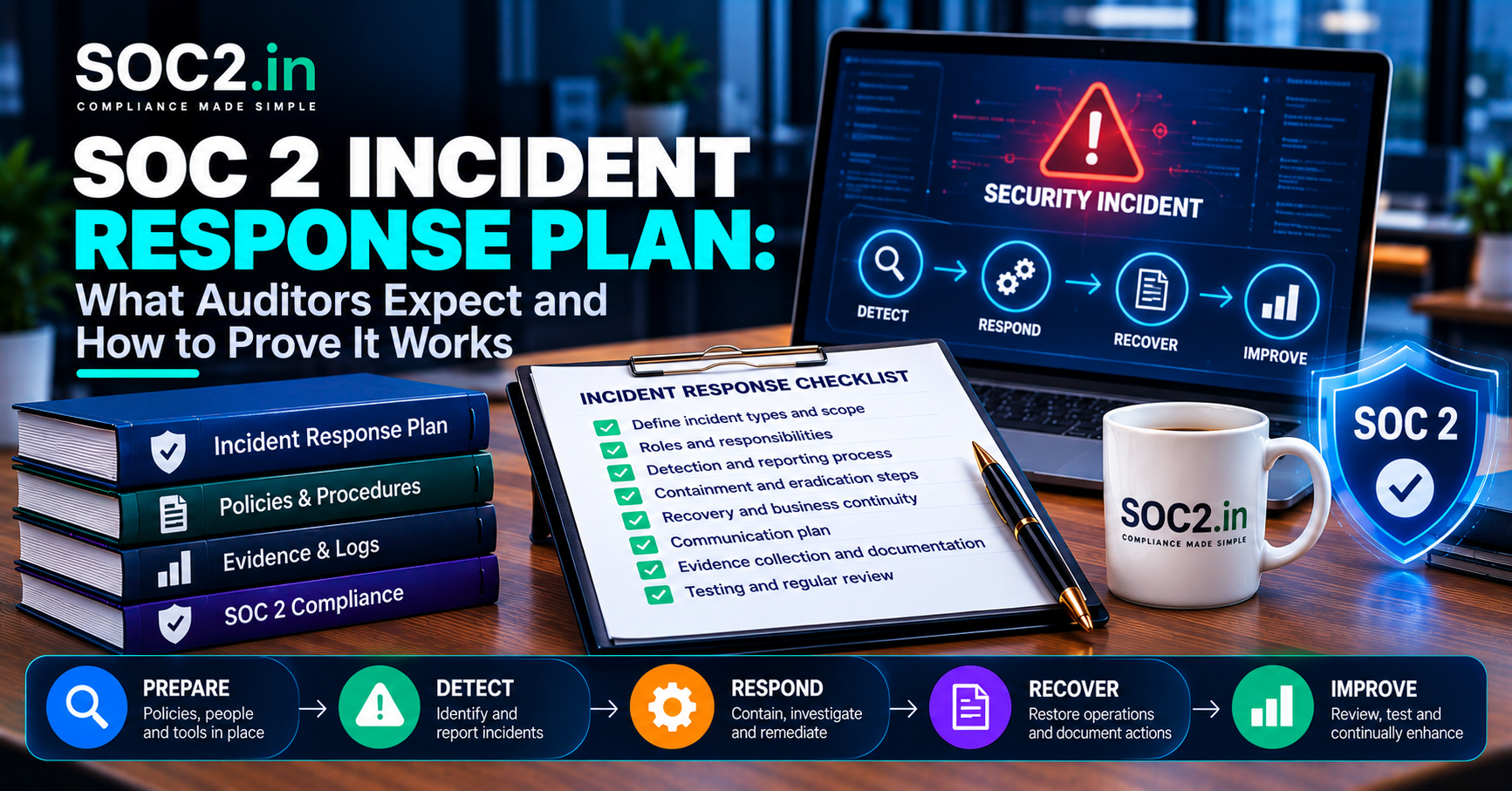
- Create an incident response plan
- Train employees on security awareness
- Collect evidence continuously
These foundational activities increase the likelihood of a successful audit.
SOC 2 Type I or Type II?
When planning your compliance journey, choose the report that aligns with your business goals.
SOC 2 Type I
Validates that controls are appropriately designed at a specific point in time.
SOC 2 Type II
Evaluates whether controls operate effectively over an observation period, typically three to twelve months.
Organizations targeting enterprise customers generally pursue SOC 2 Type II because it provides stronger assurance.
Common Mistakes to Avoid
Many organizations delay SOC 2 until a customer demands it.
Avoid these common mistakes:
- Waiting until the sales process stalls
- Treating SOC 2 as an IT-only project
- Ignoring documentation requirements
- Delaying risk assessments
- Collecting evidence only before the audit
- Failing to monitor controls continuously
Planning ahead makes implementation smoother and more cost-effective.
Conclusion
So, when should a company pursue SOC 2? The best time is before customers require it. If your organization handles sensitive customer data, sells to enterprise clients, or plans to scale its business, starting your SOC 2 journey early provides significant long-term advantages.
SOC 2 is more than a compliance report—it demonstrates your commitment to security, builds customer confidence, and positions your business for sustainable growth. By preparing early and implementing strong security controls, your organization will be better equipped to meet customer expectations and succeed in today’s competitive digital landscape.
Frequently Asked Questions
When should a startup pursue SOC 2?
A startup should consider SOC 2 when it begins selling to enterprise customers, handling sensitive customer data, or preparing for rapid growth.
Is SOC 2 required before selling to enterprise customers?
Not always, but many enterprise organizations request a SOC 2 report during vendor evaluations.
Should I get SOC 2 Type I or Type II first?
Many organizations begin with SOC 2 Type I and then progress to SOC 2 Type II after demonstrating operational effectiveness over time.
Can pursuing SOC 2 early improve business growth?
Yes. Early SOC 2 adoption builds trust, reduces procurement delays, and helps organizations compete for larger business opportunities.