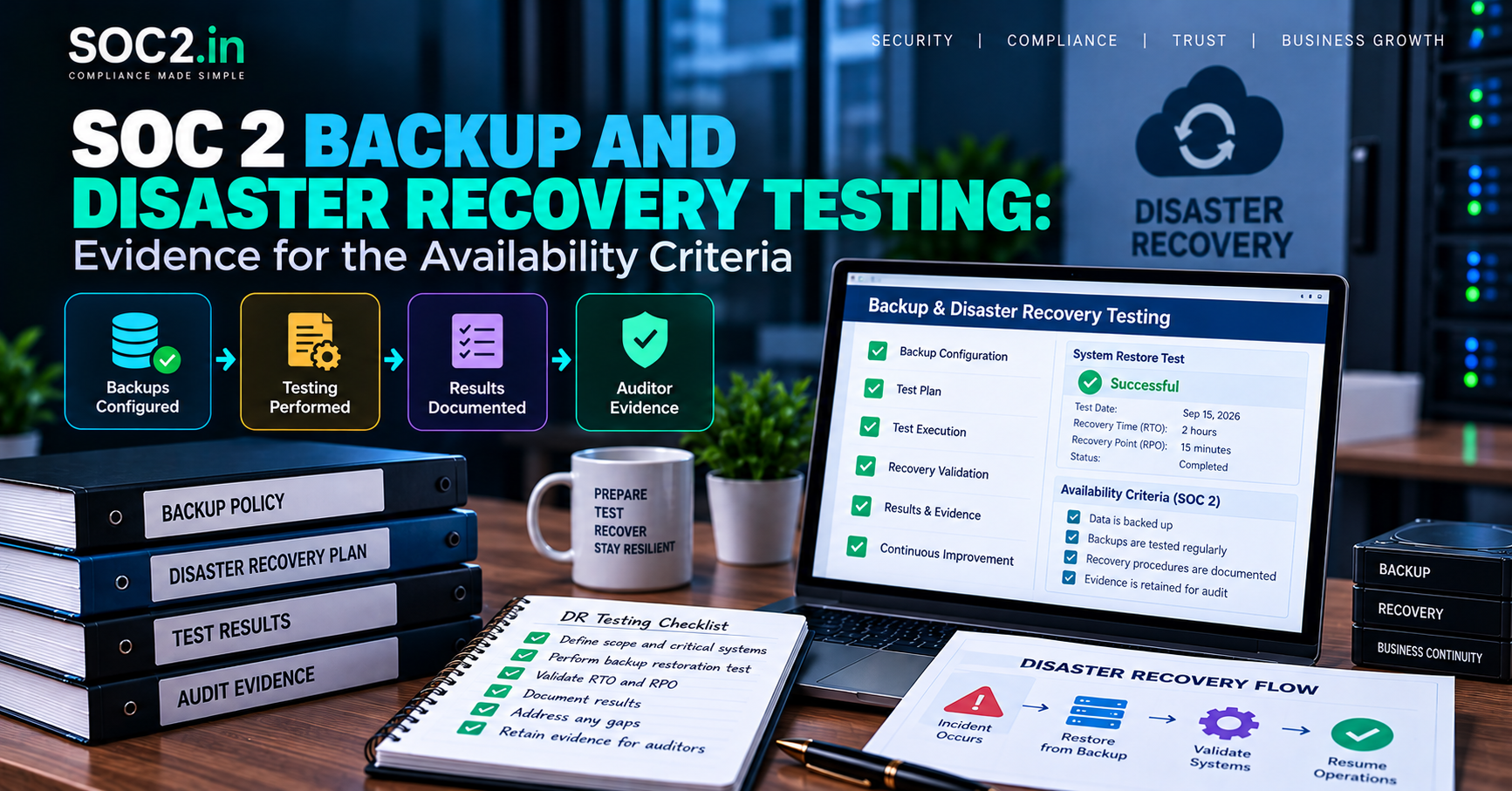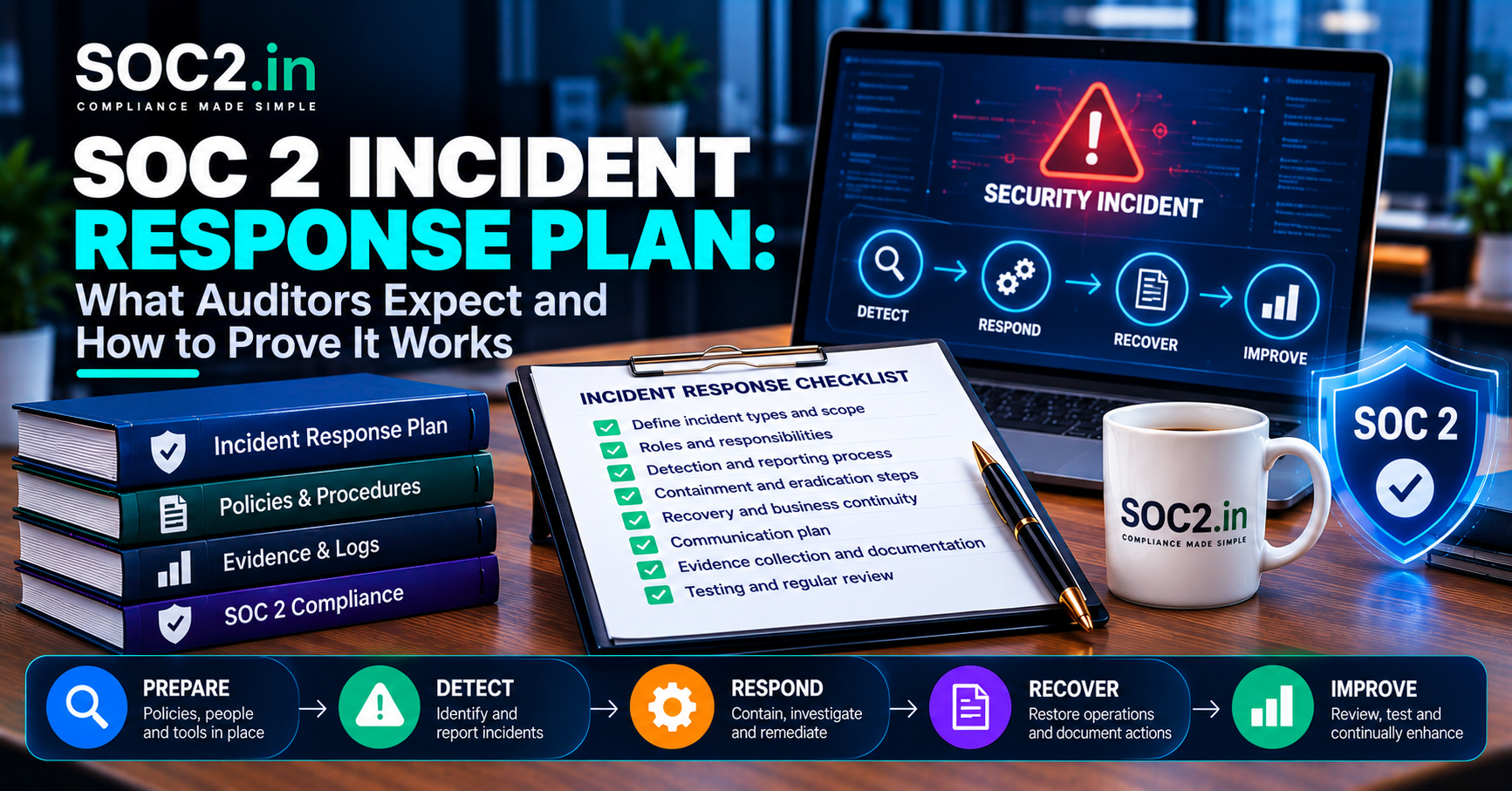
Delaying SOC 2 certification is a risk FinTech companies simply cannot afford. In an industry where trust and data security are paramount, achieving this compliance standard is not just a nice-to-have; it’s a critical business imperative. Failing to prioritize it can have severe consequences, from losing major deals to suffering catastrophic data breaches.
What is SOC 2 Certification?
SOC 2 (System and Organization Controls 2) is an auditing procedure developed by the American Institute of Certified Public Accountants (AICPA). It assesses how well a service organization, like a FinTech company, manages its customers’ data based on five Trust Services Criteria (TSC):
- Security: Protection of system resources against unauthorized access.
- Availability: Ensuring the system is available for operation and use as agreed upon.
- Processing Integrity: Whether system processing is complete, accurate, timely, and authorized.
- Confidentiality: Protection of information designated as confidential.
- Privacy: Collection, use, retention, disclosure, and disposal of personal information.
For most FinTechs, the initial focus is on Security, Availability, and Confidentiality.
1. The Immediate Impact: Loss of Customer and Partner Trust 🤝
In finance, trust is the foundational currency. When a potential B2B customer or a large institutional partner (like a bank or investment firm) evaluates a FinTech vendor, one of the first questions they ask is: “Are you SOC 2 compliant?”
- Due Diligence Requirement: Many established financial institutions mandate SOC 2 Type 2 reports as part of their vendor risk assessment. Without it, you’re often immediately disqualified from major contracts.
- Competitive Disadvantage: Your competitors are likely already compliant. Delaying means you’re handing them an easy win on security and compliance, creating a significant barrier to entry in large enterprise markets.
2. Mitigating Security Risks and Data Breaches 🛡️
FinTechs handle some of the most sensitive data imaginable: bank details, transaction histories, credit scores, and personal identities. A data breach doesn’t just damage a reputation; it can be existentially threatening.
- Robust Controls: The process of achieving SOC 2 requires implementing and documenting stringent internal controls and security protocols. This forced review and hardening of your systems significantly reduces your risk of a breach.
- Proactive vs. Reactive: Certification moves your company from a reactive security posture (hoping nothing goes wrong) to a proactive one (systematically minimizing vulnerabilities). This peace of mind is invaluable.
3. Avoiding Regulatory Scrutiny and Penalties 🚨
While SOC 2 is not a direct governmental regulation, it demonstrates a commitment to security and control that is often expected by financial regulators worldwide.
- Fulfilling Regulatory Expectations: Regulators in various jurisdictions (like the SEC, FCA, or others overseeing payment systems) expect firms to have robust internal governance and risk management frameworks. SOC 2 compliance often satisfies the control requirements for many adjacent regulations, making other compliance efforts easier.
- The Cost of Non-Compliance: A major data breach due to lax security can lead to massive fines under regulations like the GDPR or CCPA, costly litigation, and mandatory credit monitoring for affected customers. These costs far outweigh the investment in certification.
4. Operational Excellence and Scalability 🚀
SOC 2 isn’t just a security exercise; it’s an operational maturity exercise.
- Streamlined Processes: The audit demands documented policies, procedures, and internal controls for everything from change management to incident response. This structure forces your organization to operate with greater efficiency and consistency.
- Foundation for Growth: As your FinTech scales and adds new products or enters new geographies, having a solid SOC 2 framework in place makes integrating new systems, training new employees, and expanding to meet new compliance challenges much smoother. It builds a compliance engine for future growth.
Conclusion: Act Now, Not Later
For FinTech companies, the question isn’t whether to pursue SOC 2 certification, but when. Given the intense scrutiny, competitive landscape, and the catastrophic potential of a security failure, the answer must be now. Delaying this process is essentially betting your company’s future against the inevitable need for demonstrably secure and compliant operations. Start the journey today—your future customers and partners will thank you for it.